Wednesdays: A Weekly Read
Brief reflections each Wednesday morning on learning to live in an age of unprecedented acceleration.
This week’s post
Between instinct and action, there is a moment—an interruption. This essay explores how intelligence emerges in that gap, not to return to purpose, but to reshape it, opening time to contingency and new possibilities.
All Wednesdays Essays
Between instinct and action, there is a moment—an interruption. This essay explores how intelligence emerges in that gap, not to return to purpose, but to reshape it, opening time to contingency and new possibilities.
This essay begins a multi-part discussion of instinct and intelligence through Henri Bergson and Blaise Agüera y Arcas. Here the focus is Bergson’s Creative Evolution, where instinct and intelligence appear not as higher and lower stages of one capacity, but as divergent tendencies within life itself. Tool use, consciousness, and freedom come into view as movements of action rather than fixed essences.
What is intelligence? Not simply accuracy. Not merely survival. Intelligence is the adaptable and expansive capacity to make the future less like fate and more like an open field of possibility.
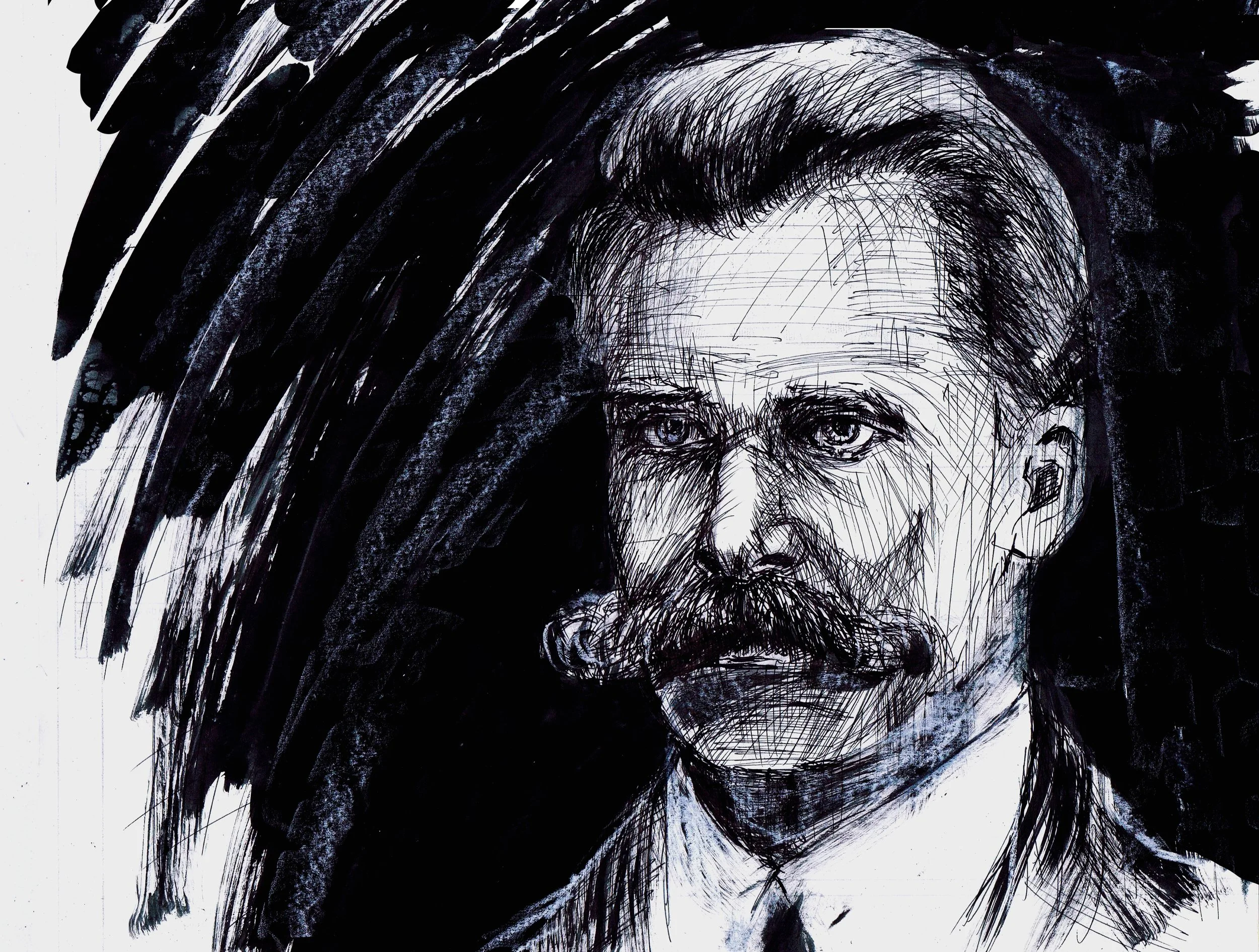
If intelligence is the ability to predict and influence the future, as Blaise Agüera y Arcas argues, then Nietzsche saw its deeper dynamic long ago. In Zarathustra, the will to truth becomes a will to power—the creative drive that makes the world intelligible so that it might bend and behave. From Babylonian astronomy to artificial intelligence, our growing computational power continues this movement, expanding humanity’s capacity to shape time itself.
Purpose is unavoidable. It is the water in which we swim. But when purpose hardens into inflexible ends, it risks tyranny. Drawing on Nietzsche and Bataille, this essay explores how discernment keeps purpose open—how freedom must be renewed within the eternal return of time.
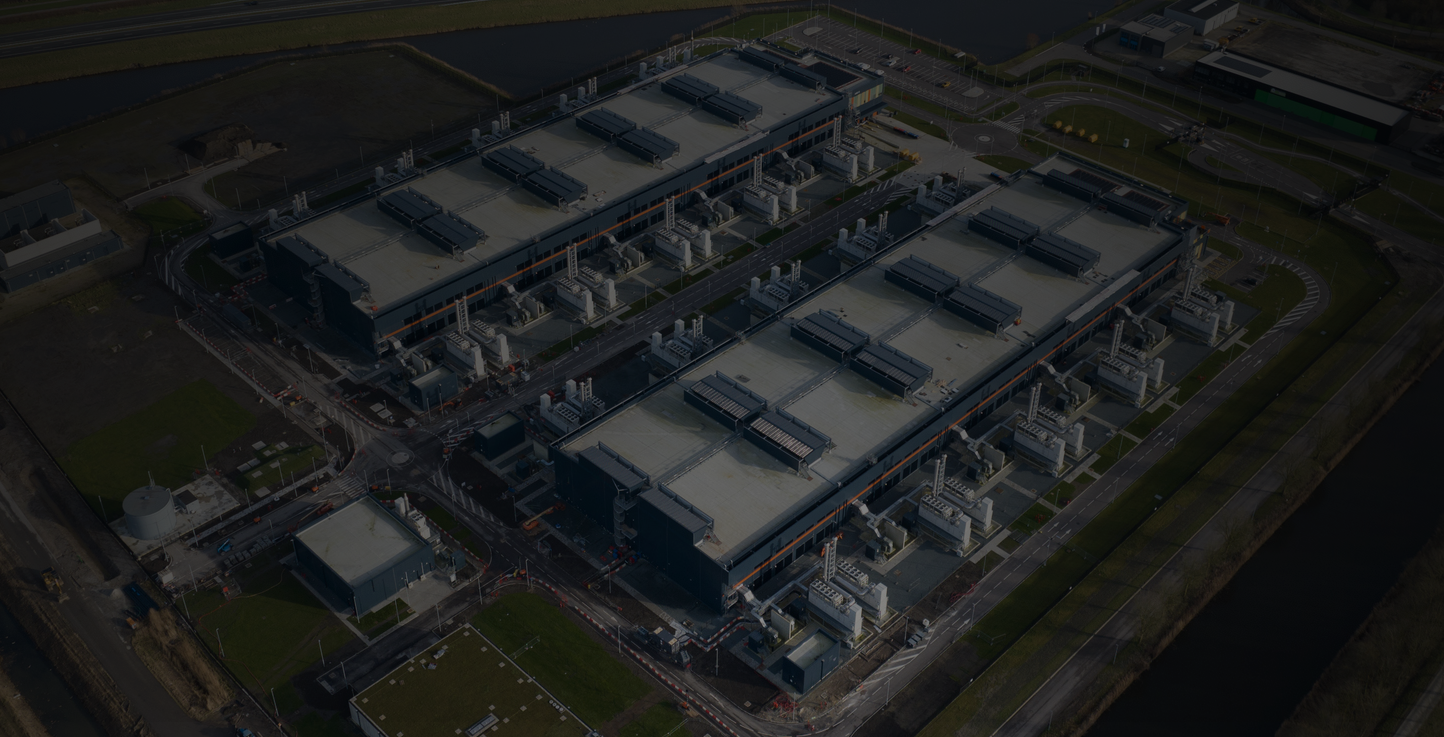
Turing completeness asks whether a system can, in principle, express any computable procedure. But “in principle” hides a physical caveat: unbounded time and memory. Infrastructure—data centers, GPUs, cooling, networks—is the material extension of the Turing tape. It does not change what is computable, but it radically changes what is feasible, viable, and adoptable.
Intelligence is not merely the ability to predict — it is the capacity to turn prediction into influence. As our creativity expands, so too does our ability to assert purpose, discover pockets of order within uncertainty, and move faster than nature itself. This essay explores Joseph Chen’s recent argument for ‘gainability’ as essential to a ‘universal definition of intelligence’.
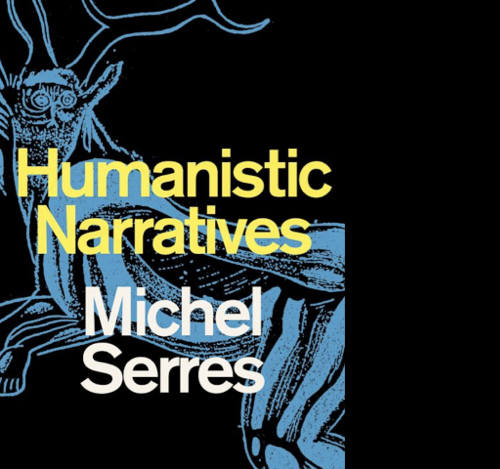
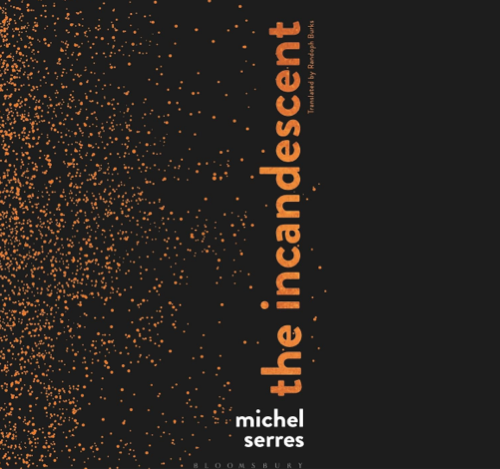
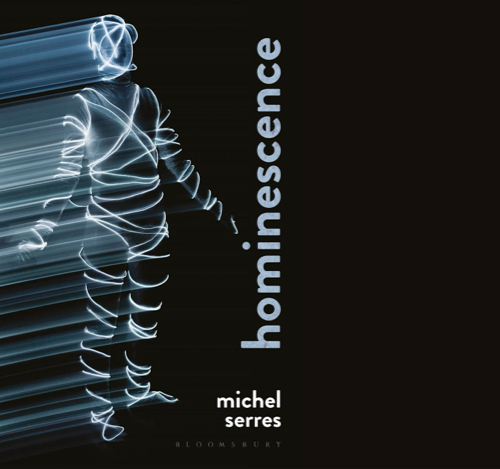
We are living through a threshold in which humanity increasingly shapes the forces that once shaped us. Reading Michel Serres’ Hominescence invites us to see our present not as a rupture, but as a summation — a moment demanding new moral orientation as we participate in the creation of the humanity to come.
At some point, anyone who seriously reflects on their place in the world encounters a deeper question than what to do next. The question is whether we are being called—called to attend to something that exceeds us and yet moves through us. This essay explores religion not as belief or law, but as a cultivated openness to purpose arriving from beyond the self. It argues that discernment, not certainty, is what keeps purpose from hardening into dogma, and that metanoia names an orientation to the future that remains alive to what has not yet taken shape.
What looks like a loss of meaning may instead be a revaluation of values—one forced by technologies that move faster than our ability to localize responsibility or foresee consequences.
We are not facing a collapse of meaning, but a growing gap between purpose and discernment. As computational power accelerates action faster than ethical habits can keep pace, disorientation hardens into resentment or withdrawal. This essay reframes our moment as a problem of tempo—and offers practical disciplines for learning to judge consequences in motion.
What if our moment is not a crisis of meaning, but a crisis of purpose—one born from the ability to compute the future faster than the values meant to guide it?