

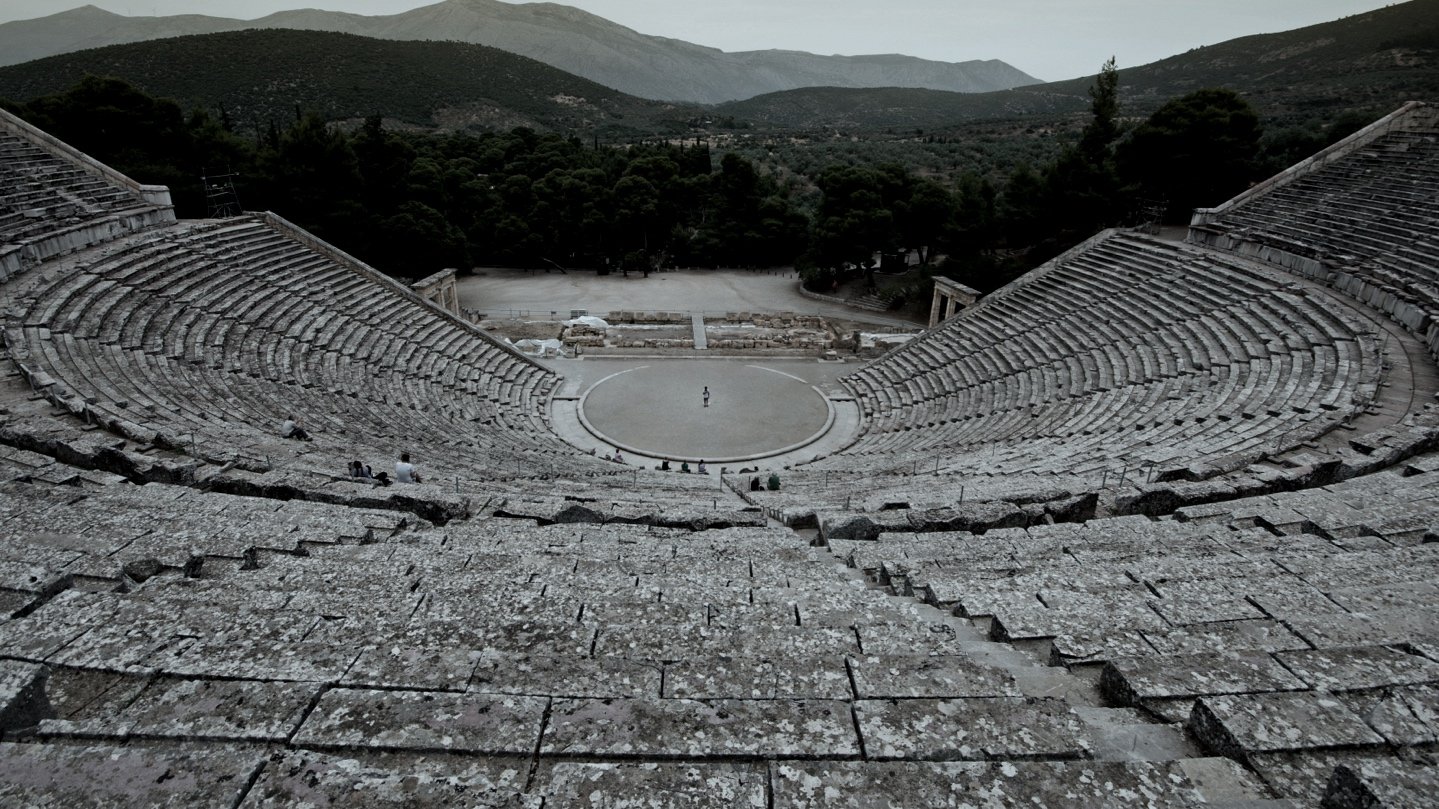
Rejuvenation & Orientation
We inhabit a moment when old rhythms dissolve and new tempos outpace the frameworks we inherited.
The essays gathered here argue that modernity is not defined by the loss of meaning, but by the expansion of human self-assertion—the long effort of our genus, Homo, to shape contingency, redirect fate, and assume responsibility for outcomes once attributed to nature or the gods.
Rejuvenation names what becomes possible when we recognize our ongoing revaluation of values and learn to move with it rather than deny it.
Rejuvenation: Catching values up to intelligence
There is a gap opening beneath us, and it isn't new. Every time a civilization acquires new power faster than it develops the wisdom to use it, the same gap opens: between what we can now do and what we've actually learned to want. Nietzsche called the work of closing that gap a revaluation of values. This section is about that work to be done now.
What makes this moment different is the speed and scale of human engineered intelligence. The power in question is no longer local — a tribe's weapon, a city's law, a nation's industry. It's planetary: climate, genomics, computation, artificial intelligence, all operating at a speed and a reach no earlier generation's discernment was built to match. Michel Serres put the problem plainly: we are now steering things we never used to steer, which means we've acquired something like the power that theology used to reserve for God. We’ve inherited, whether we wanted it or not, something like the question theology used to call theodicy. Not why does a good God permit evil, but how does a species with god-like reach answer for the world it's making.
Rejuvenation, on this site, is the name for taking that question seriously without collapsing into either of the two postures on offer — the confidence that our power will sort itself out, or the despair that it can't. Both are ways of not doing the work. The essays here are attempts at the work itself: reading the historical record of value-catching-up-to-power closely enough to find out what it actually requires, so that history doesn’t just happen to us.
Phase I: Rejuvenation
Rejuvenation is not recovery from decline, nor a response to existential loss, but a historical capacity that emerges when human self-assertion expands faster than inherited values can accommodate. It frames modern disorientation not as psychological nihilism, but as the cost of responsibility moving faster than its moral grammar.

Rejuvenation does not unfold in a vacuum. Periods of expanded human agency place strain on inherited values, and that strain is not always resolved creatively. When renewal stalls—when new powers arrive without corresponding revaluation—moral life can harden rather than adapt.
It is here that the problem of ressentiment and the revaluation of values emerges.
Phase II: Ressentiment, Rejuvenation, and Revaluation of Values
Ressentiment is often misunderstood as a private emotion or a defect of character. The essays in this phase treat it instead as a historical disposition—one that takes shape when action is blocked, futures appear closed, and moral judgment turns reactive rather than generative.
Under conditions of limited agency, ressentiment offers consolation. It moralizes weakness, transfiguring frustration into judgment. But when agency expands and ressentiment persists, its character changes. Moral restraint falls away. What once served as a substitute for action becomes a force that actively shapes the world.
The essays gathered here trace this transformation. They examine how ressentiment mutates when it acquires power, how it escalates through imitation and rivalry under modern conditions, and why neither nostalgia, consolation, nor perpetual suspension resolves it. Taken together, they argue that ressentiment is not overcome by critique alone. It is displaced only when revaluation succeeds—when new values emerge that are adequate to the powers already in play.
Essays for Phase II
The following essays trace ressentiment from historical stasis to escalation, and finally toward the possibility of revaluation.
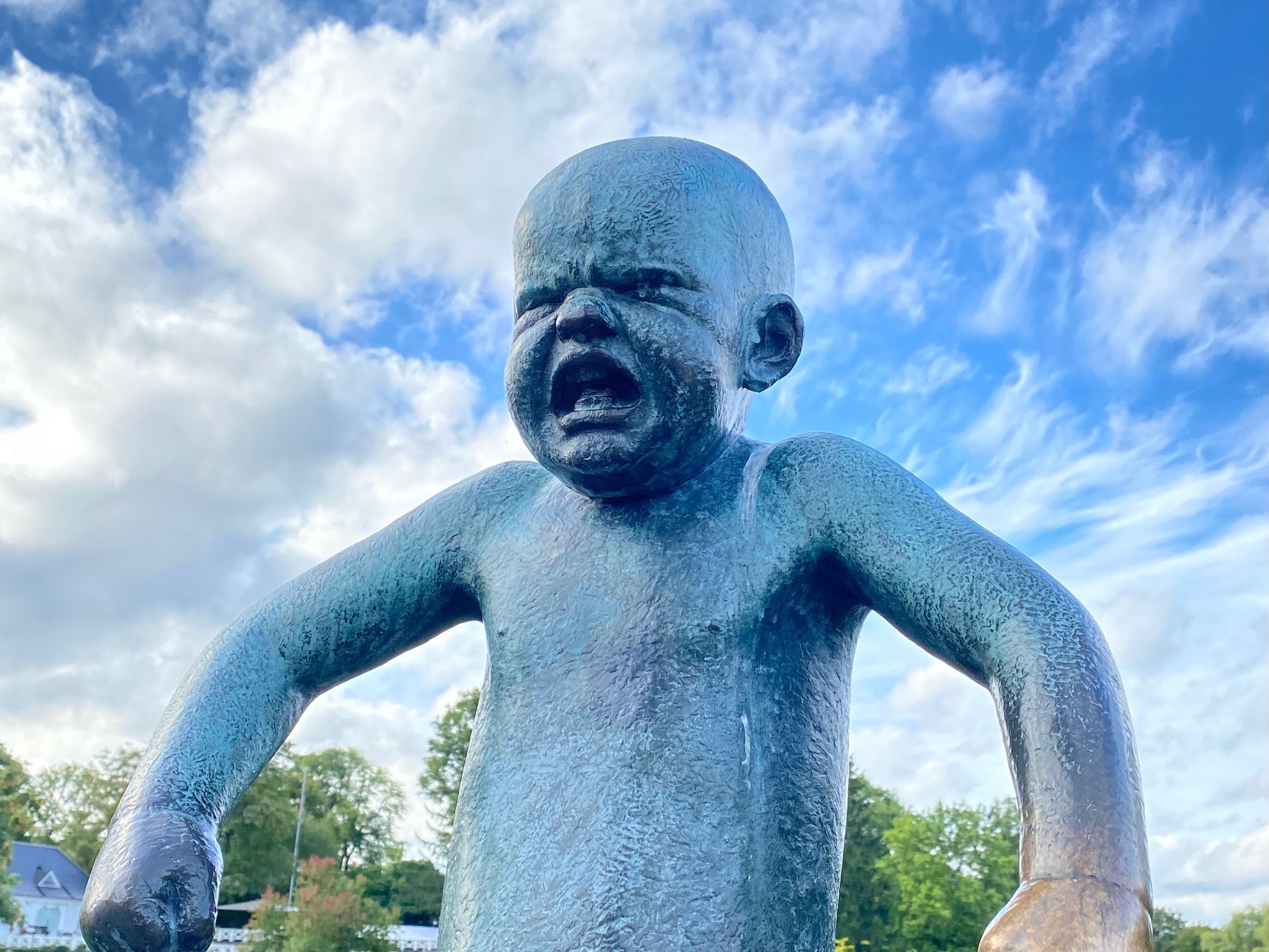
Acedia and Ressentiment
Treats ressentiment as a historical disposition tied to stalled futurity, showing how acedia emerges when history declares itself finished rather than still in motion.

Ressentiment Unbound
Examines how ressentiment mutates when it acquires power, shedding its moral consolations and taking on the character of unrestrained, world-shaping wrath.

René Girard on Hamlet’s Ressentiment
Reads ressentiment through René Girard’s interpretation of Hamlet to show how mimetic hesitation becomes catastrophic in an age of total power.
Revaluation After Ressentiment: Reading Nietzsche Forward

Reading Zarathustra: The Prologue
Introduces revaluation as a historical task rather than a personal rebellion.

Reading Zarathustra: The Three Metamorphoses
Interprets Nietzsche’s metamorphoses as stages of historical transformation.
Reading Zarathustra: The Speeches of Zarathustra
Articulates revaluation as lived practice beyond resentment.

Zarathustra’s Middle Path
Explores Nietzsche’s notion of the “in-between” as a transitional space that risks stasis without revaluation, showing how hesitation between old and new values can feed ressentiment rather than release it.
If the world is increasingly shaped by human power, rejuvenation names the work of learning how to live with that fact—confidently, responsibly, and without resentment.
Phase III: Fragility, Tempo, and Rejuvenation as Practice
If ressentiment names the refusal of rejuvenation, fragility and disorientation names the conditions under which renewal becomes possible. Fragility appears when inherited frameworks no longer hold, when systems stretch beyond familiar limits, and when outcomes propagate farther than intention. It is often experienced as uncertainty or loss of footing—but historically, fragility is also the opening in which moral orientation and creative transformation become necessary work.
Modern life intensifies this experience through tempo. When pace accelerates—when events unfold faster than familiar rhythms can stabilize—moral orientation can no longer rely on settled rules or inherited templates. The challenge is not to restore a prior equilibrium, nor to withdraw from responsibility, but to learn how to move with clarity under conditions of motion.
The essays in this phase treat rejuvenation not as abstract theory or consolation, but as practice in motion: a matter of attention, judgment, and ethical engagement carried out in real time. Fragility here is not a wound to be healed, but a condition to be inhabited wisely. It is the space in which new values are tested, revised, and brought into alignment with expanding human power.
Taken together, these essays argue that renewal does not arrive fully formed. It emerges through the work of navigation—learning how to act responsibly in a world where fate is increasingly shaped by human hands and where confidence must be earned without illusion.
Essays for Phase III
Finding Purpose in a Computational World
Explores how moral orientation must be practiced when computation becomes environmental — where decisions, consequences, and coordination unfold at scales and speeds that exceed inherited moral frameworks.
Life at the Speed of Computation
Examines how computation alters the experience of time, reshaping tempo and judgment in ways that require moral frameworks capable of moving with, not against, accelerating conditions.
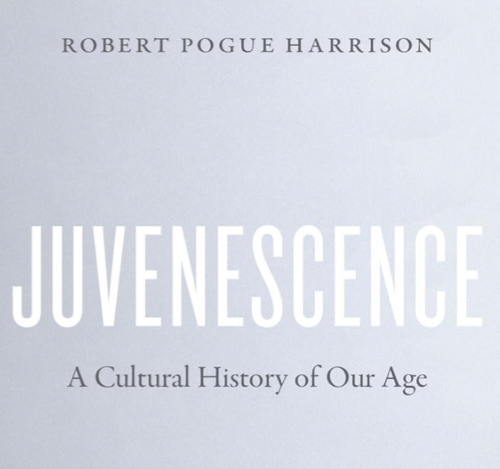
Juvenescence (Robert Pogue Harrison)
Considers juvenile becoming as a temporal figure for renewal, showing how a reorientation toward emergence — instead of completion or conservation — opens space for new forms of ethical life.
Read more on Rejuvenation on my Substack Time Out of Joint

Rejuvenation II: The Swerve
We are staring into the possibility of a new Enlightenment. It is an opportunity that we ought not squander.
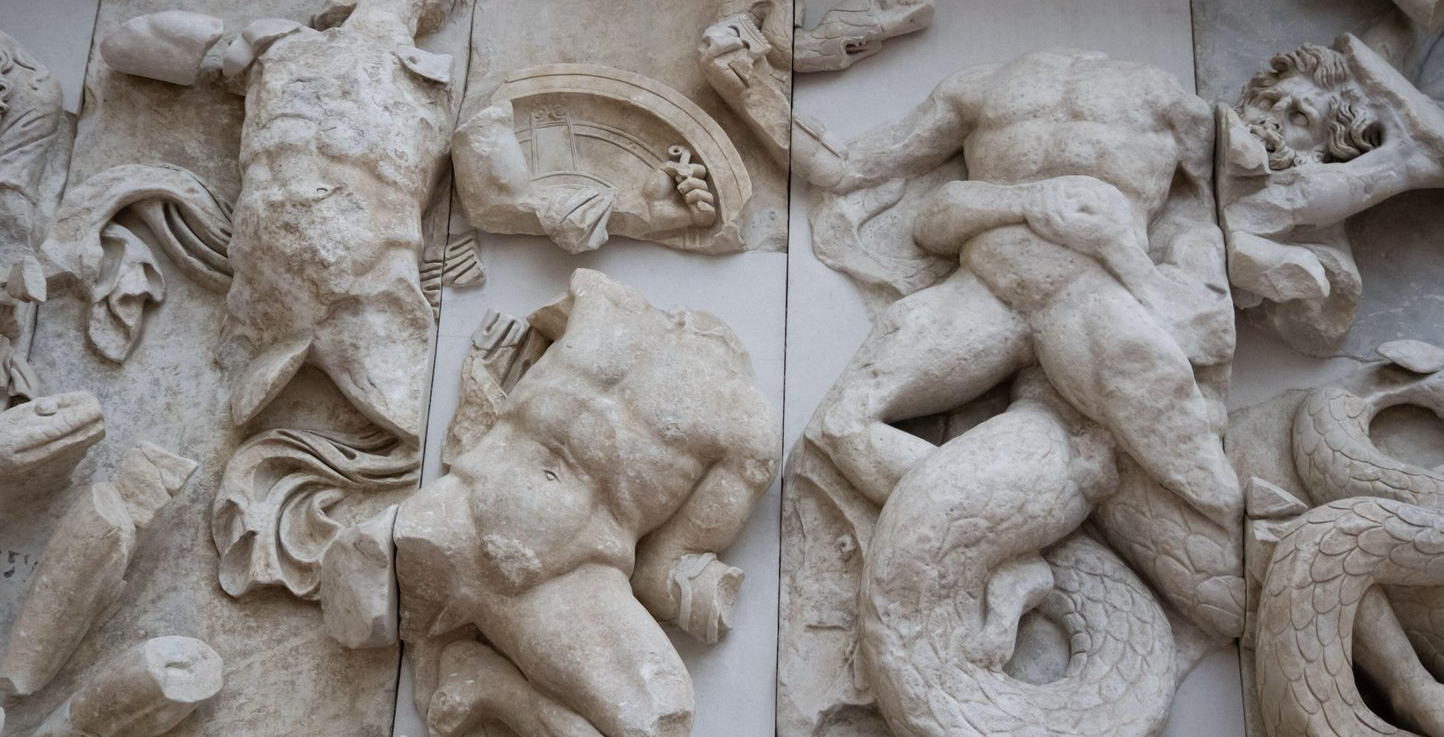
Rejuvenation III: The Moral Compass
Reading the Iliad in a time of moral crisis.
Rejuvenation and Belonging
Suspending the weight of factional belonging may be a crucial democratic skill.