

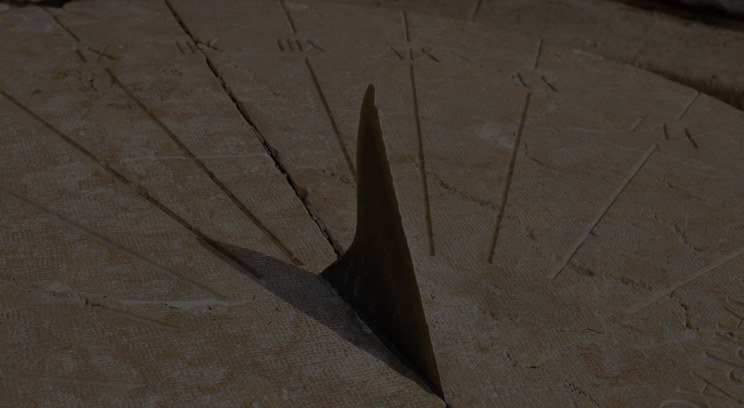
Ancient Rhythms, Modern Time
Before modernity collapsed time into clocks, earlier thinkers wrestled with its movement, its cycles, and its demands. These essays trace how ancient philosophies of time and Enlightenment science continue to inform our current struggle to navigate temporal rhythms that have been accelerated and multiplied by computational power.
The goal here is not to recuperate old metaphysics or sentimentalize premodern experience, but to read time as practice—to see how temporal rhythms shape what it means to be human across ages and how those inherited patterns can illuminate our capacities for attention, wisdom, and lived orientation today.
The ancient notions of cyclical time, embodied practices of duration, and early scientific discoveries all offer critical companions for thinking about tempo, contingency, and relational time as alternatives to linear, clock-based frameworks. These alternatives help us see how time has been lived, measured, contested, and reimagined on varying scales long before the present computational revolution.
Scales of Time
How time was understood before modernity’s dominance matters for how we live with time now. Ancient and pre-modern rhythms—cyclic patterns, embodied durations, and qualitative time—can re-open our experience to the multiple scales of time beyond what the singularity of clock time allows.
The essays below take readers on an exploratory arc from rhythms of the past, through pivotal moments of temporal discovery, toward reflections that bring these legacies into conversation with our contemporary experience of multiple, often conflicting timescales.
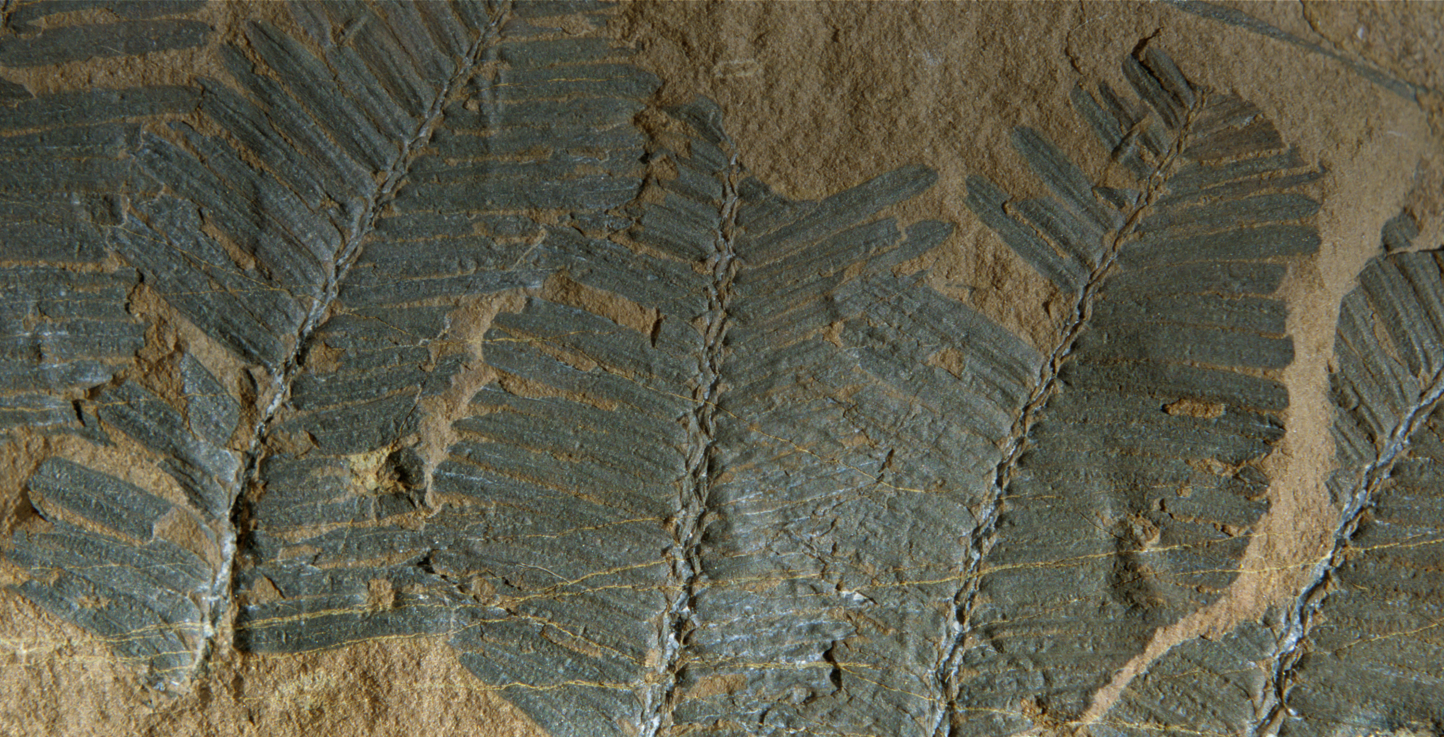
Humans are not automatically born with a consciousness of how long the Earth has been around. The Discovery of Time traces the story of how Enlightenment geologists undid the long-standing consensus that the events of Genesis occurred around 4000 BCE. This is perhaps the Enlightenment's greatest legacy.

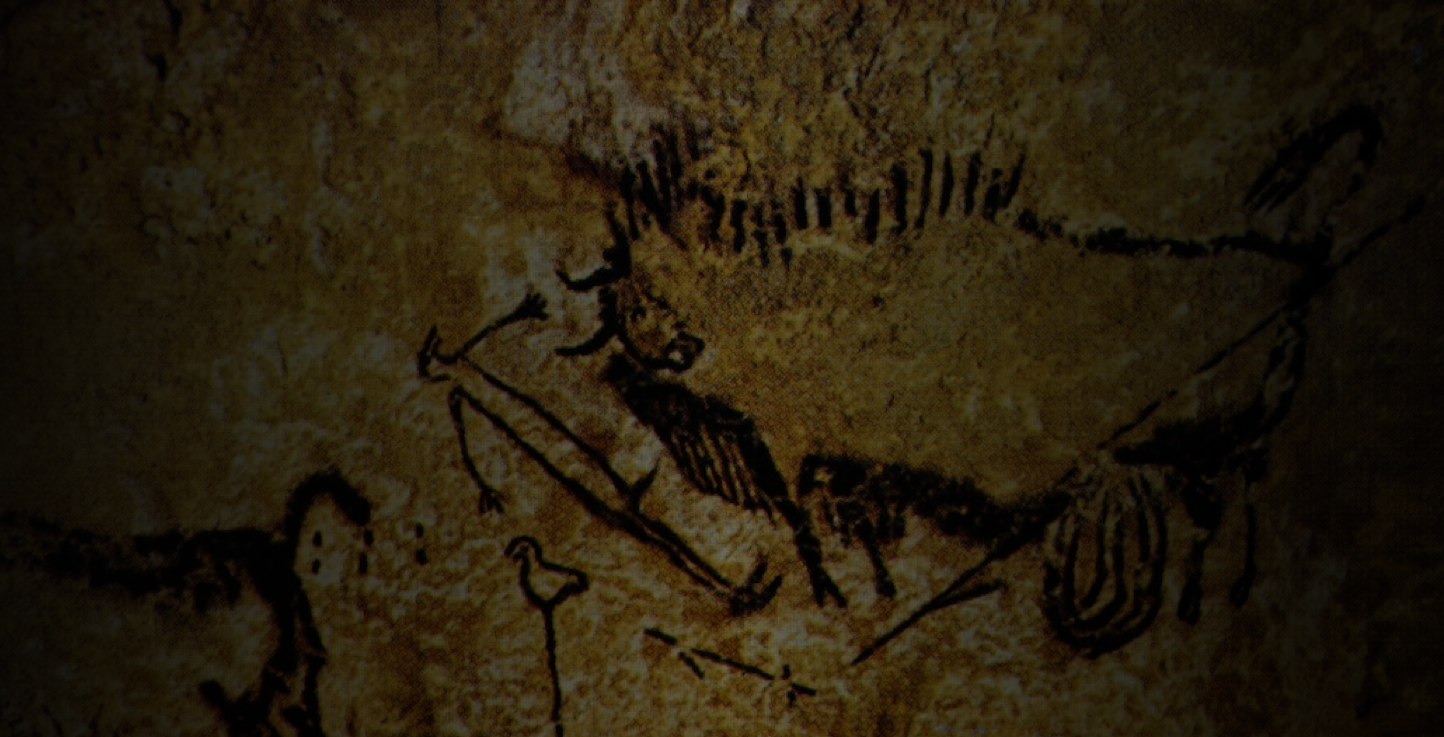
The Cave Paintings of Tito Bustillo
Reflections on my May 2025 visit to the caves of Tito Bustillo in Spain’s Asturias region. The entire Neolithic Age stands between us and these artists. Trying to experience time at this scale is transformative.
Bataille, Religion, Experience
What is to become of religion in our time? In this essay, I descend into Bataille’s speculations on the contingent birth of consciousness out of the ‘water in water’ of pure experience. Seeking an experience of time at this scale brings into question what it means to be Homo sapiens and how we are connected as a species to the planet on which we live.
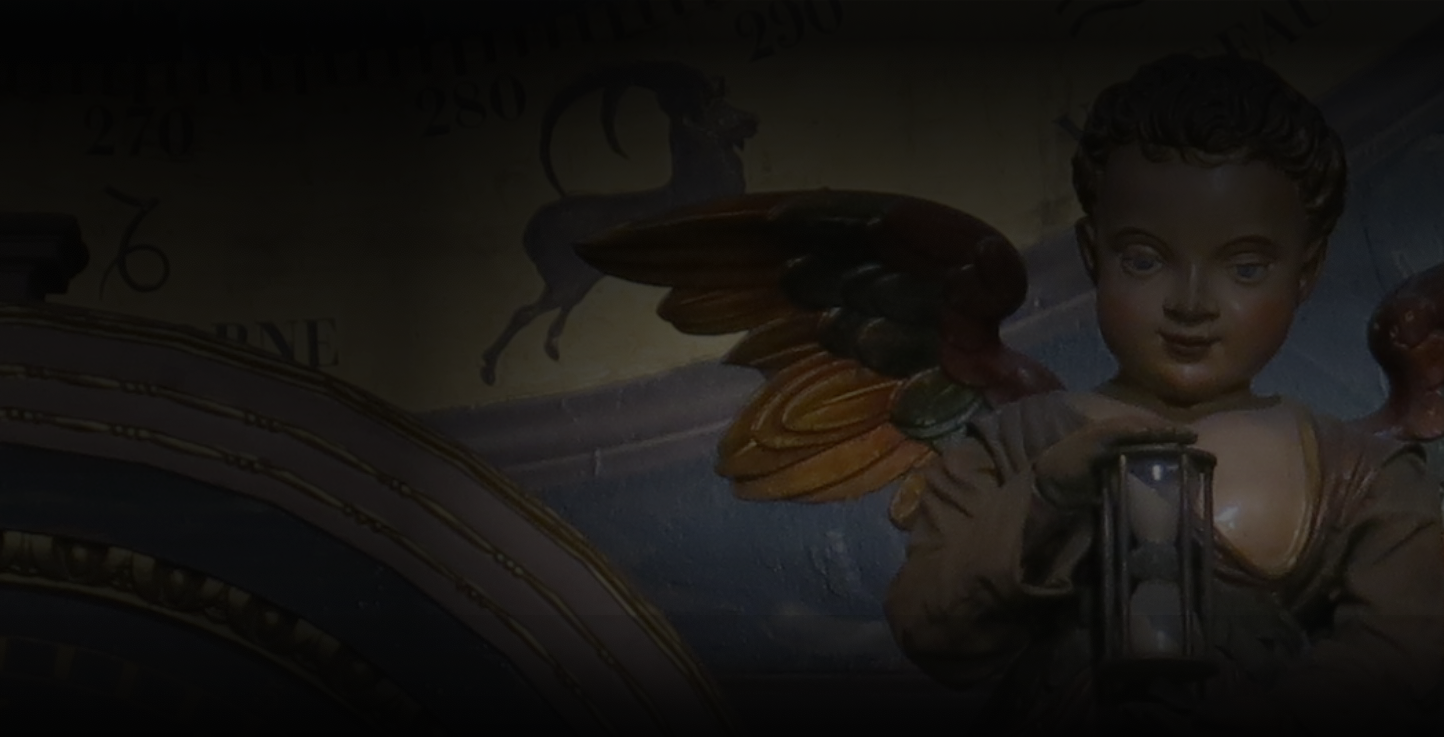
The Enlightenment pushed God and gods to the sidelines, but as our time continues to evolve, are we letting them back in?
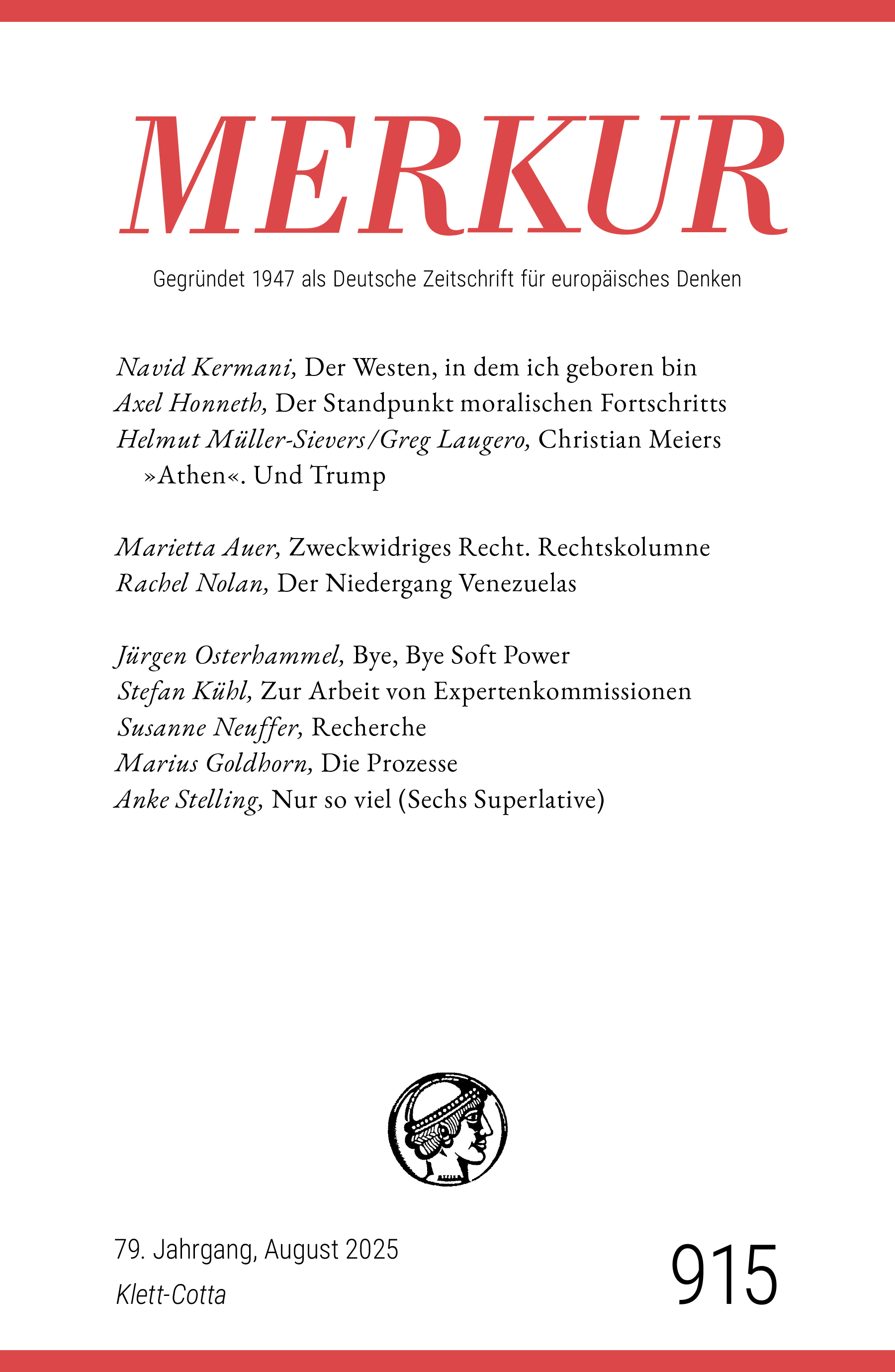
Reading Christian Meier’s Athens in the Era of Donald Trump
Published in German, my dialog with Helmut Müller-Sievers reflects on the fragility of democracy while reading ancient Greek history.
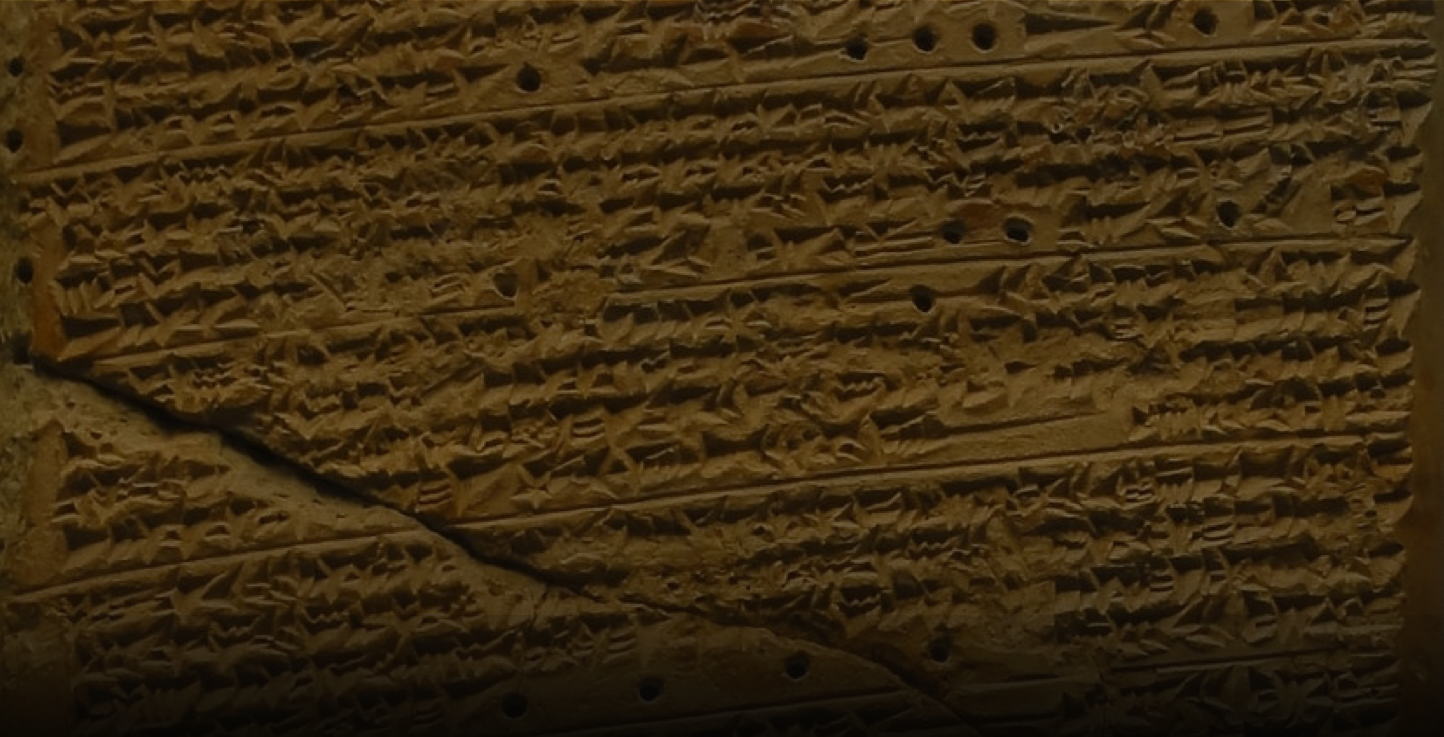
Ancient Babylonian Astronomy and the Power of Computation
This essay examines how the discovery of computation transformed humanity’s relationship to fate. Beginning with Babylonian astronomy, it shows how early techniques of prediction turned omens into foresight, allowing humans to anticipate and intervene in processes once attributed to the gods.
Transformation, Kairos, and Experience
This cluster gathers essays that explore themes of transformation, temporal practice, and moral reorientation through Christian texts and Christian-influenced thinkers. Rather than treating religion as dogma or doctrine, these pieces read Christian temporal concepts — kairos, renunciation, metanoia, mercy—as vocabulary for practice: ways of inhabiting time, assuming responsibility, and remaking values.
These essays engage John, Paul, and other voices not for sectarian affirmation, but as partners in thinking about how temporal experience shapes moral life across eras, systems, and forms of agency.
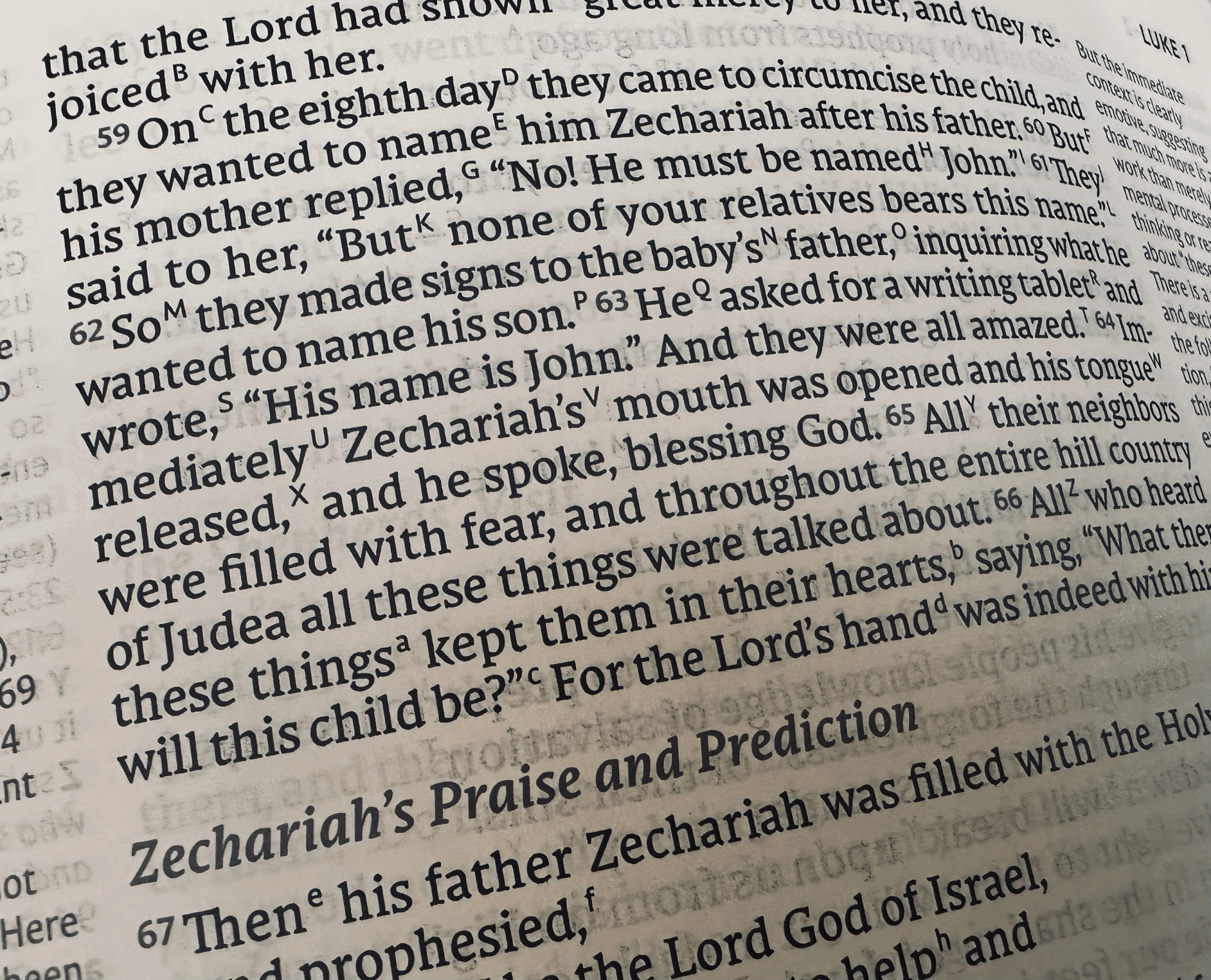
Considers the figure of John as an entry point into a temporal ethics of discontinuity and witness, setting the stage for relational and transformational practice.

Explores Jesus’s redefinition of kinship as a marker of temporal presence — where ethical identity emerges through action in time, not inherited belonging.

Engages mercy as a form of temporal attention that resists familiar categories of self and other, proposing an ethical practice rooted in encounter and responsiveness.
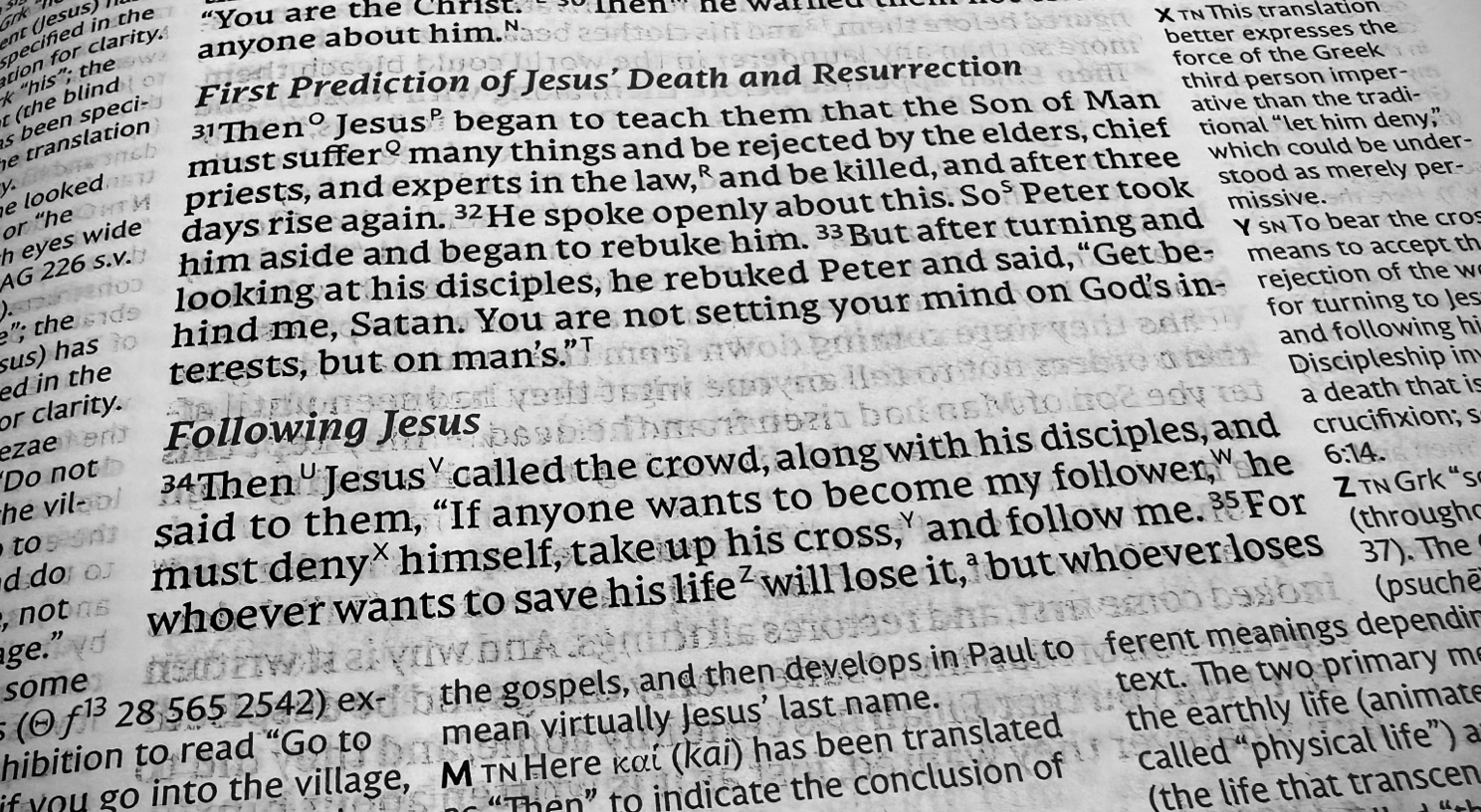
The Things of God and the Things of Humanity
Examines the distinction and continuum between the human and the divine, showing how temporal practice negotiates between earthly agency and transcendent invitation.

Reads the Greek notion of kairos — the opportune moment — alongside continuity to show how time can be inhabited not as a sequence of instants but as a field of meaningful action.

Interprets conversion not as abandonment but as a shift of mind and horizon — a temporal reorientation that opens new possibilities for judgment and action.

Considers renunciation as a temporal practice: a conditional shedding of prior attachments that frees one for new forms of ethical direction and engagement.

Considers sin not as static guilt but as a temporal condition of resistance and misalignment, revealing how moral practice must negotiate structural disturbances in time.

The Radical Philosophy of Saint Paul — Stanislaus Breton
Explores Paul’s thought through Breton’s interpretation to articulate a philosophy of ethical life in motion — where temporal sovereignty, transformation, and revaluation converge.