


The Computable World
Computation has become the motor of history, relentlessly altering the pace and texture of human experience at great speed and scale.
These essays examine how digital systems reshape experience, agency, and the unfolding of time. This is not a moral complaint; it is an examination of possibilities.
What is computational power?
Definition of computational power: It is the ability to understand the processes and rules by which nature operates and to use that power to shape the future. It is, necessarily, bound up with the capacity to assert purpose and intent.
In this series, computation names more than digital technology or artificial intelligence. It refers to the growing capacity to gather, model, and steer processes that once unfolded on their own—evolution, climate, aging, reproduction. As our computational control accelerates, we reshape how time, responsibility, and ethical life are experienced.
The Computable World is for readers interested in how computational power reshapes ethical judgment, historical trajectories, and lived experience.
Learning to Live with our Intelligence
Conversations at the front lines of digital technology, especially AI, inevitably wander through morality, economics, religion, evolution, culture, and consciousness. What unites these domains is not agreement but absorption: they increasingly appear as problems already within the scope of computational power, or soon to be.
This absorptive capacity is not incidental. It is a defining feature of our time. As Michel Serres once said, ‘We are steering things that we didn’t used to steer.’ This opens a crucial moral question for our time: Can we master our capacity to steer?
Computation as Infrastructure
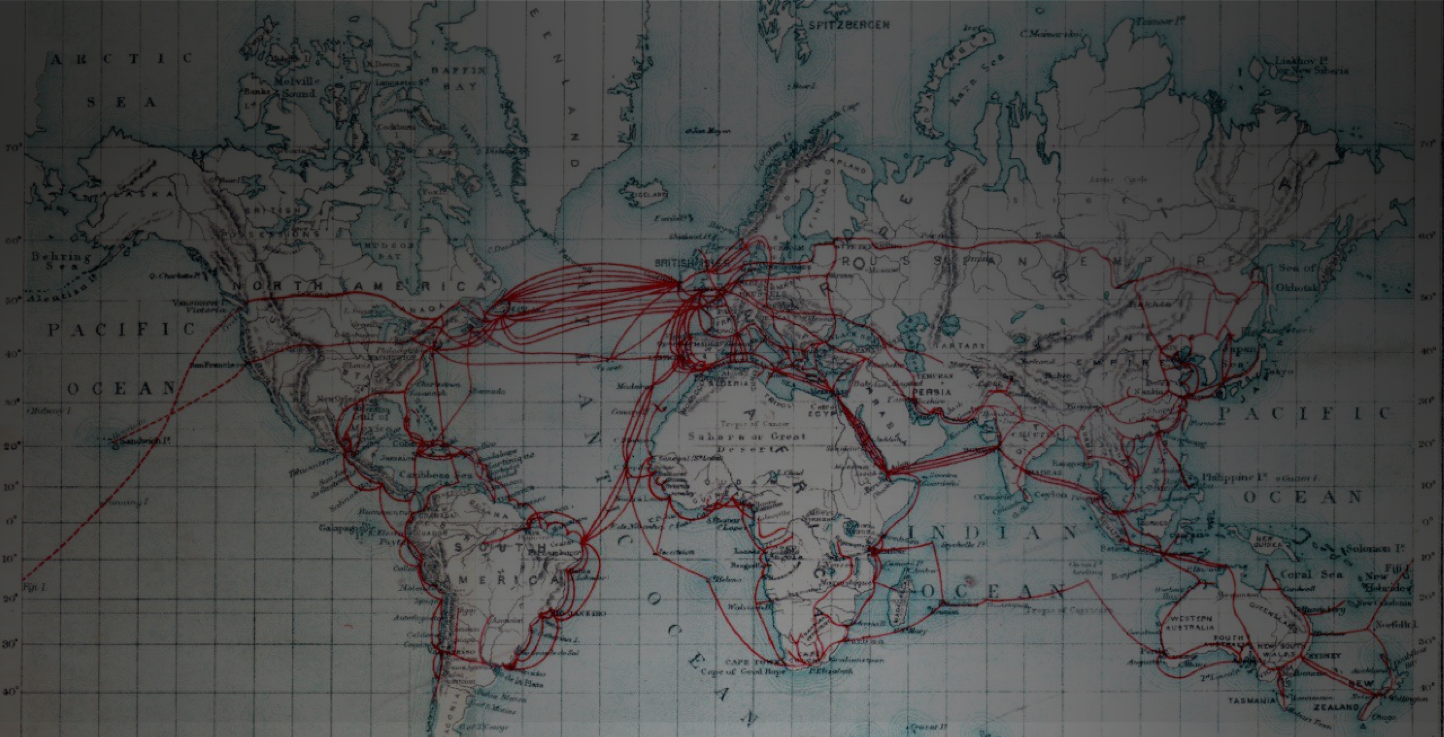
In 1994, I described an earlier version of this dynamic as Infrastructures of Enlightenment, tracing how roads, print, and information networks accelerated the capacity to gather the world into infrastructure. Today, digital systems have become a far more pervasive infrastructure, absorbing and transforming nearly every aspect of life at unprecedented speed and scale. This new Enlightenment is not defined by reason alone, but by calculation’s capacity to reformat the world—and its tempo now shapes our experience of time itself. The challenge is not simply to slow down, but to learn how to live, think, and govern within an Enlightenment that unfolds faster than any Homo sapiens has every experienced.
A Crisis of Fate
Our computational power is the latest installment of our human capacity to gain more control over fate—the things that we’ve often ascribed to the will of gods or the whims of nature. Many of the things that appear as out of control today are of our own making—computational power, climate change, population growth, global migrations, wealth inequalities, teetering democracies that only 30 years ago we thought represented The End of History.
The essays gathered here are not arguments against computation, nor celebrations of it. They are attempts to think from within a world that has become newly steerable and newly uncertain. Fate has not disappeared; it is the byproduct of our control and thus something we navigate. Ethical life becomes the practices we learn in motion, under changing conditions.
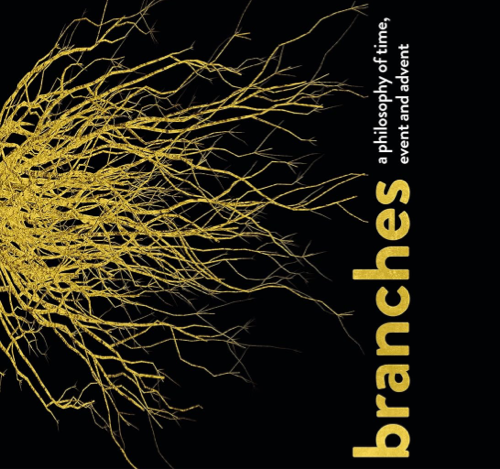
Next Steps for exploring how we live in an age of AI

Exo-Darwinism and the Compression of Time in Michel Serres’ The Incandescent
Modern technology does more than accelerate life—it reshapes how time itself is experienced. Drawing on Michel Serres’ reflections in The Incandescent, this essay explores how intention, speed, and exo-Darwinism compress the past into background, turning history into a resource rather than a place we still inhabit.
Fate, Computation, and the End of Christian Time
This brief essay traces how Enlightenment calculation reshaped humanity’s experience of time, fate, and foresight—from biblical chronology to geological deep time and modern predictive control. Rather than condemning the Enlightenment, it argues for renewing its legacy by learning how to live responsibly within the futures we now help to compute.

The Return of Fate
The more we have sought to bring nature’s processes under our control, the more we live within a lack of control.
Life at the Speed of Computation
A meditation on what happens to judgment and responsibility when action outpaces reflection.
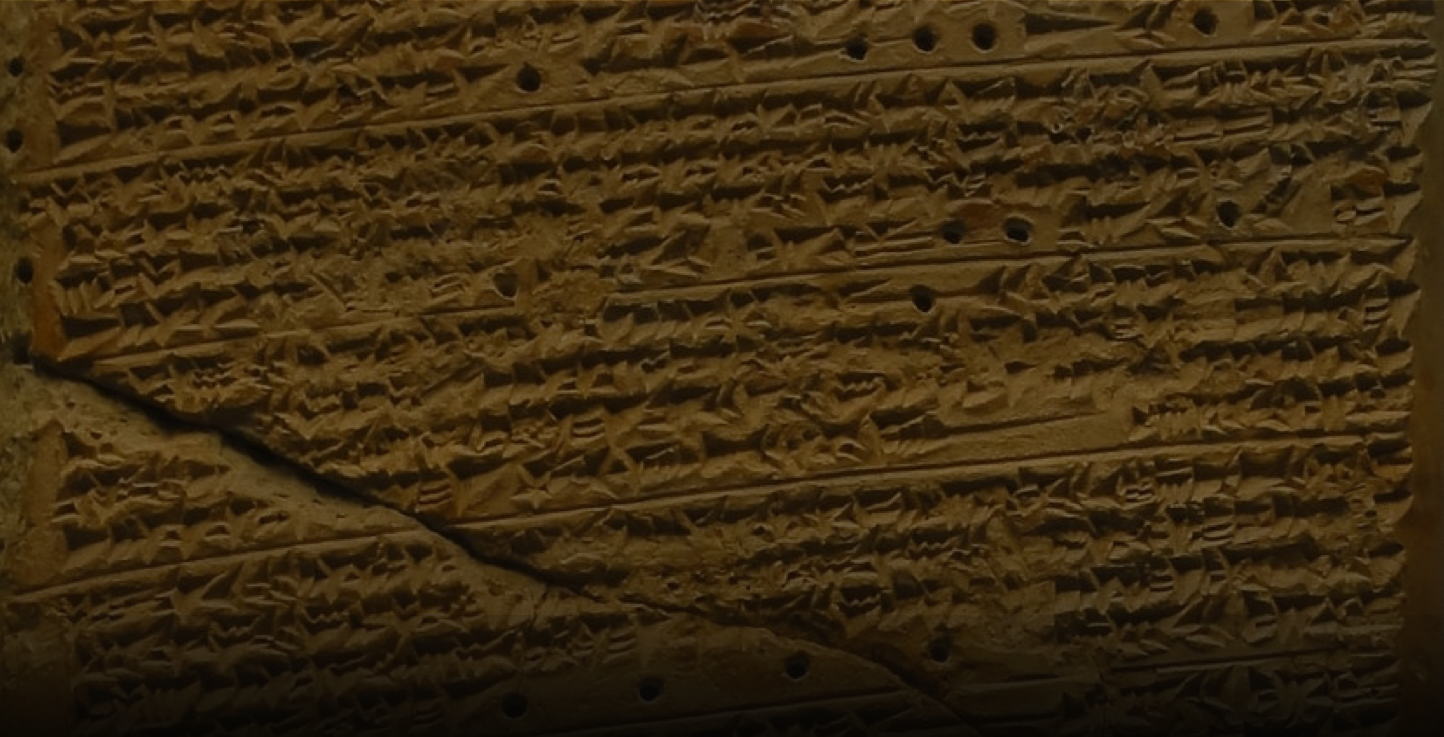
Ancient Babylonian Astronomy and the Power of Computation
This essay examines how the discovery of computation transformed humanity’s relationship to fate. Beginning with Babylonian astronomy, it shows how early techniques of prediction turned omens into foresight, allowing humans to anticipate and intervene in processes once attributed to the gods.
Read more on our Computable World at my Time Out of Joint Substack
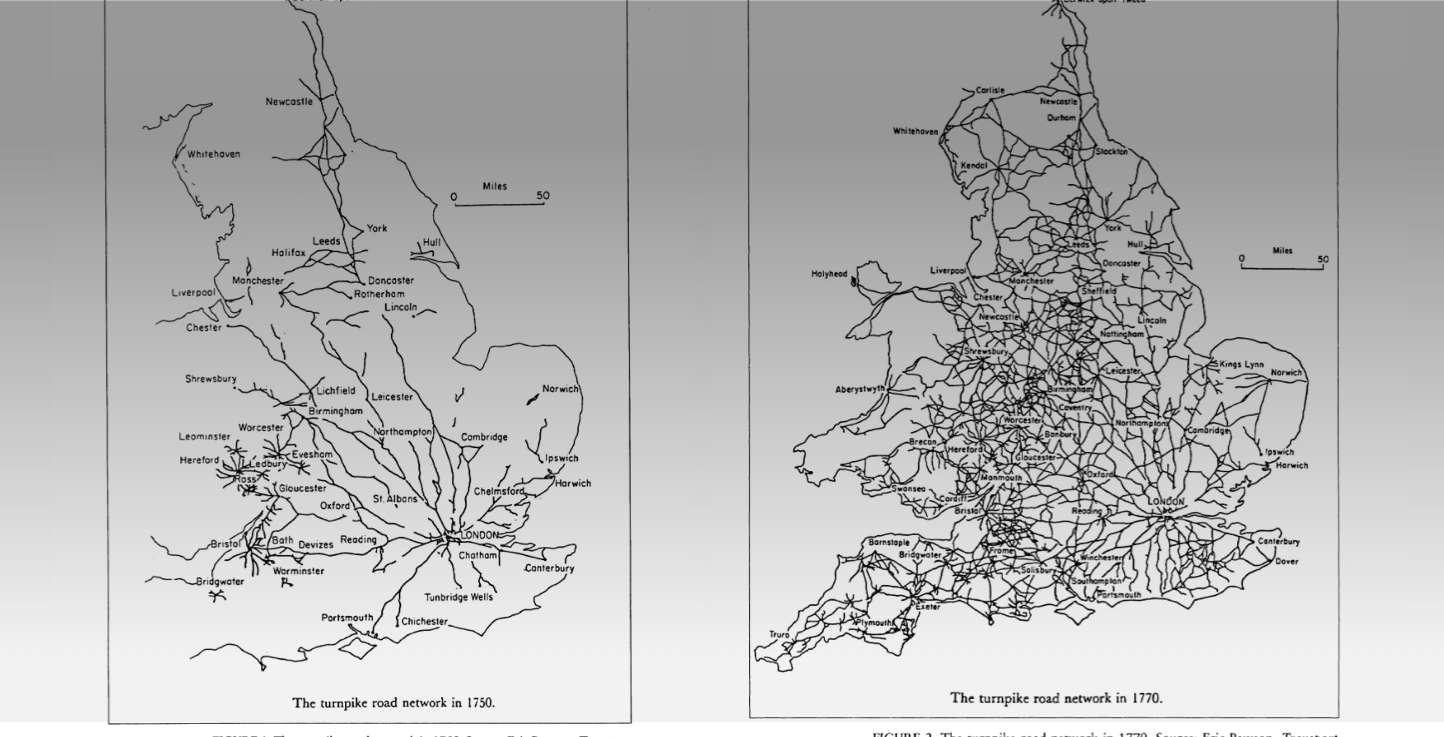
Faster than Nature
How the Enlightenment’s wager on speed still governs us.
Speed and Spread
How the power of computation became the motor of history.