

Featured Essays


Key Themes
History of Intelligence
AI sets in motion a new chapter in the history of intelligence’s confrontation with fate and necessity. Telling the stories of its twists and turns will broaden our upstanding of what intelligence has been and can be.
Computational Power
These essays examine how digital systems reshape experience, agency, and the unfolding of time. This is not a moral complaint; it is an examination of possibilities.
Rejuvenation
Modernity is not defined by the loss of meaning, but by the expansion of human self-assertion—the long effort of our genus to shape contingency, redirect fate, and assume responsibility for outcomes once attributed to nature or the gods.
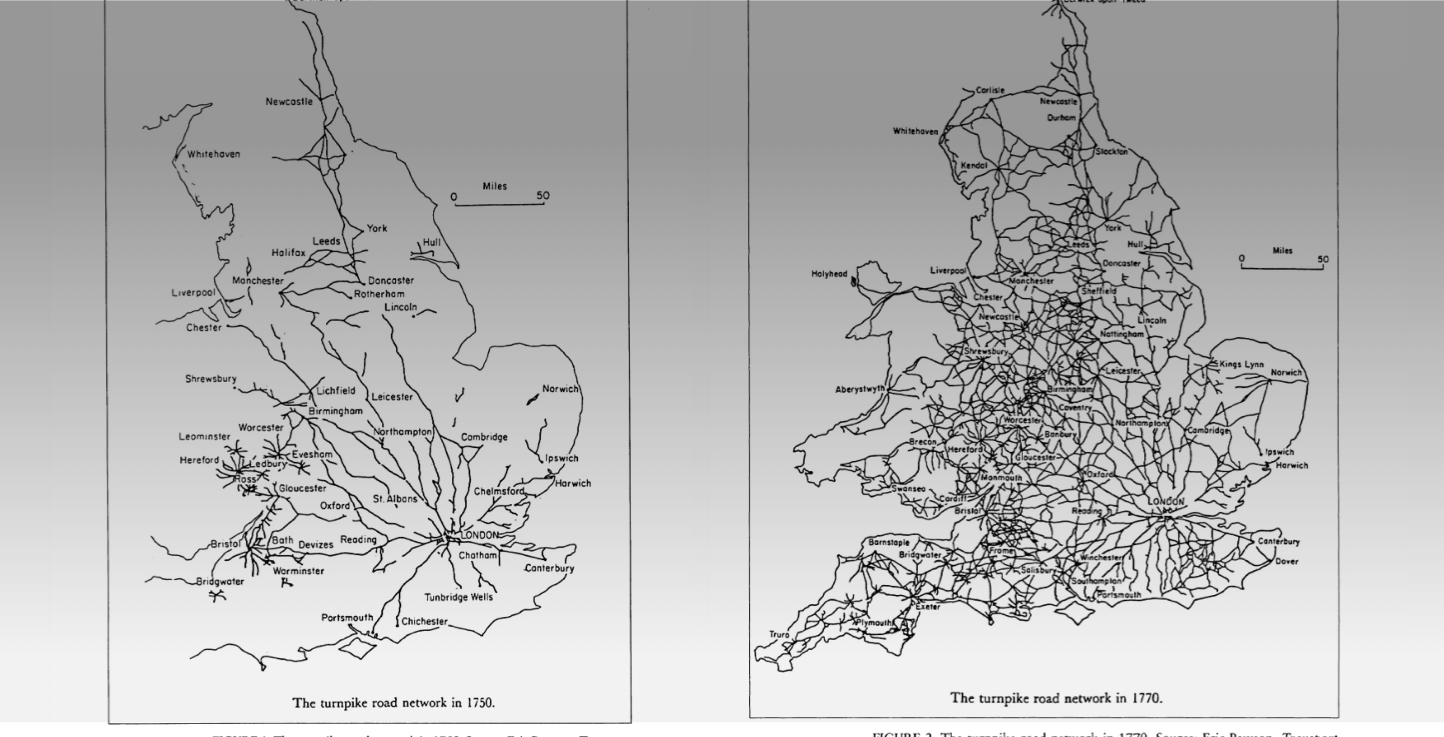
Intelligence and the Revaluation of Interruption: From Ant Roads to Enlightenment Roads
What separates the ‘roads’ of army ants from the roads of the Enlightenment? This essay explores intelligence not as a fixed function, but as life’s expanding capacity to turn fate into possibility. Moving from bacteria and ant colonies to Augustine, temptation, and British inland navigation, it argues that intelligence emerges through the widening gap between function and orientation—the opening of time itself into an unfinished field of possibilities.

Intelligence and Infrastructure
Ants build roads. Humans build infrastructures. The difference is not scale, but what those systems do to possibility. This essay explores how infrastructure reveals a deeper distinction in how life shapes—and limits—the future.

Cultivating Purpose, Expanding Intelligence, and the Death of God
Intelligence is not a possession but a practice — the evolving human capacity to model the world, anticipate futures, and arrange causes toward chosen ends. From Babylonian astronomers who outmaneuvered the gods to modern theories of mind, this essay explores how our species learned to open time itself to purpose.