Featured Essays


Key Themes
History of Intelligence
AI sets in motion a new chapter in the history of intelligence’s confrontation with fate and necessity. Telling the stories of its twists and turns will broaden our upstanding of what intelligence has been and can be.
Computational Power
These essays examine how digital systems reshape experience, agency, and the unfolding of time. This is not a moral complaint; it is an examination of possibilities.
Rejuvenation
Modernity is not defined by the loss of meaning, but by the expansion of human self-assertion—the long effort of our genus to shape contingency, redirect fate, and assume responsibility for outcomes once attributed to nature or the gods.
What does it mean to call our era ‘unintelligent’?
The paradox is that AI enters history promising an expansion of intelligence just as our collective ability to imagine a future beyond the present seems to be collapsing. We have become extraordinarily capable of optimization, but increasingly uncertain about what we are optimizing toward.Intelligence, I suggest, is not merely the ability to produce better outcomes. It is the ability to transform what appears to be fate into possibility.
What does AI have to do with the Enlightenment?
AI arrives at the moment when our confidence in the future is weakening. The Enlightenment was humanity’s great wager that intelligence could transform necessity into possibility—that we could collectively create a better future. Artificial intelligence is the newest expression of that wager. But without a shared orientation toward the future, intelligence risks becoming acceleration without direction.
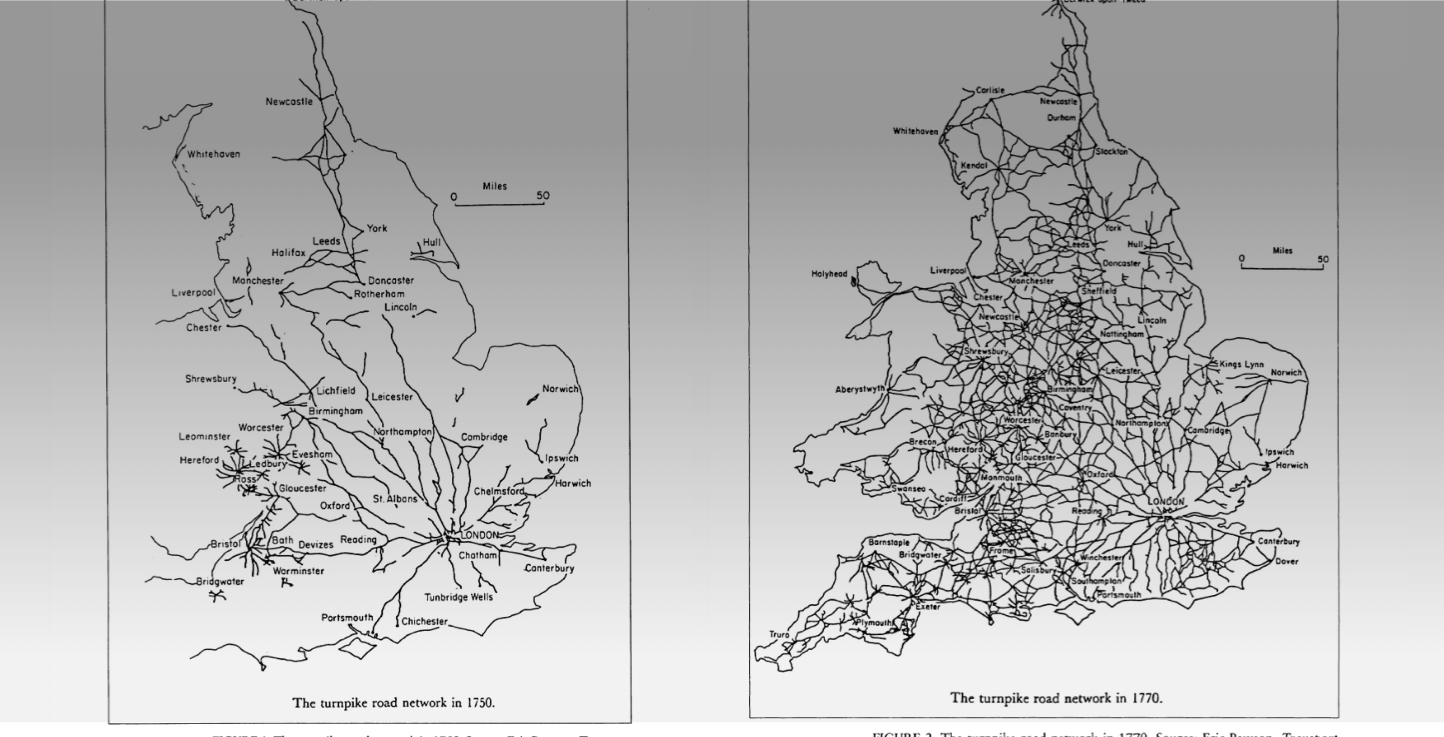
Intelligence and the Revaluation of Interruption: From Ant Roads to Enlightenment Roads
What separates the ‘roads’ of army ants from the roads of the Enlightenment? This essay explores intelligence not as a fixed function, but as life’s expanding capacity to turn fate into possibility. Moving from bacteria and ant colonies to Augustine, temptation, and British inland navigation, it argues that intelligence emerges through the widening gap between function and orientation—the opening of time itself into an unfinished field of possibilities.

Time and Theodicy
Religion and philosophy emerge when we descend into our experience of time

Civitas Peregrina and Affirmation

Mercy without Recognition
Mercy is often framed as an extension of recognition: seeing oneself in the other. This essay pushes in the opposite direction. It explores mercy as an act that does not rely on identification or reciprocity, but on attentiveness to the moment at hand. Mercy here is not sentiment but temporal discipline—an ethical response that resists calculation, delay, and justification.

Time Untethered from Motion
The first in a series of meditations coming to terms with Hans Blumenberg’s The Genesis of the Copernican World. This is an important work for anyone interested in time as practice.

Taking Stock

Beyond Balance

Beyond Repentance and Renunciation

What Is a “Confession?” Part 3

What Is a “Confession”? Part 2