Featured Essays


Key Themes
History of Intelligence
AI sets in motion a new chapter in the history of intelligence’s confrontation with fate and necessity. Telling the stories of its twists and turns will broaden our upstanding of what intelligence has been and can be.
Computational Power
These essays examine how digital systems reshape experience, agency, and the unfolding of time. This is not a moral complaint; it is an examination of possibilities.
Rejuvenation
Modernity is not defined by the loss of meaning, but by the expansion of human self-assertion—the long effort of our genus to shape contingency, redirect fate, and assume responsibility for outcomes once attributed to nature or the gods.

Aphorisms on the in-Between Part I
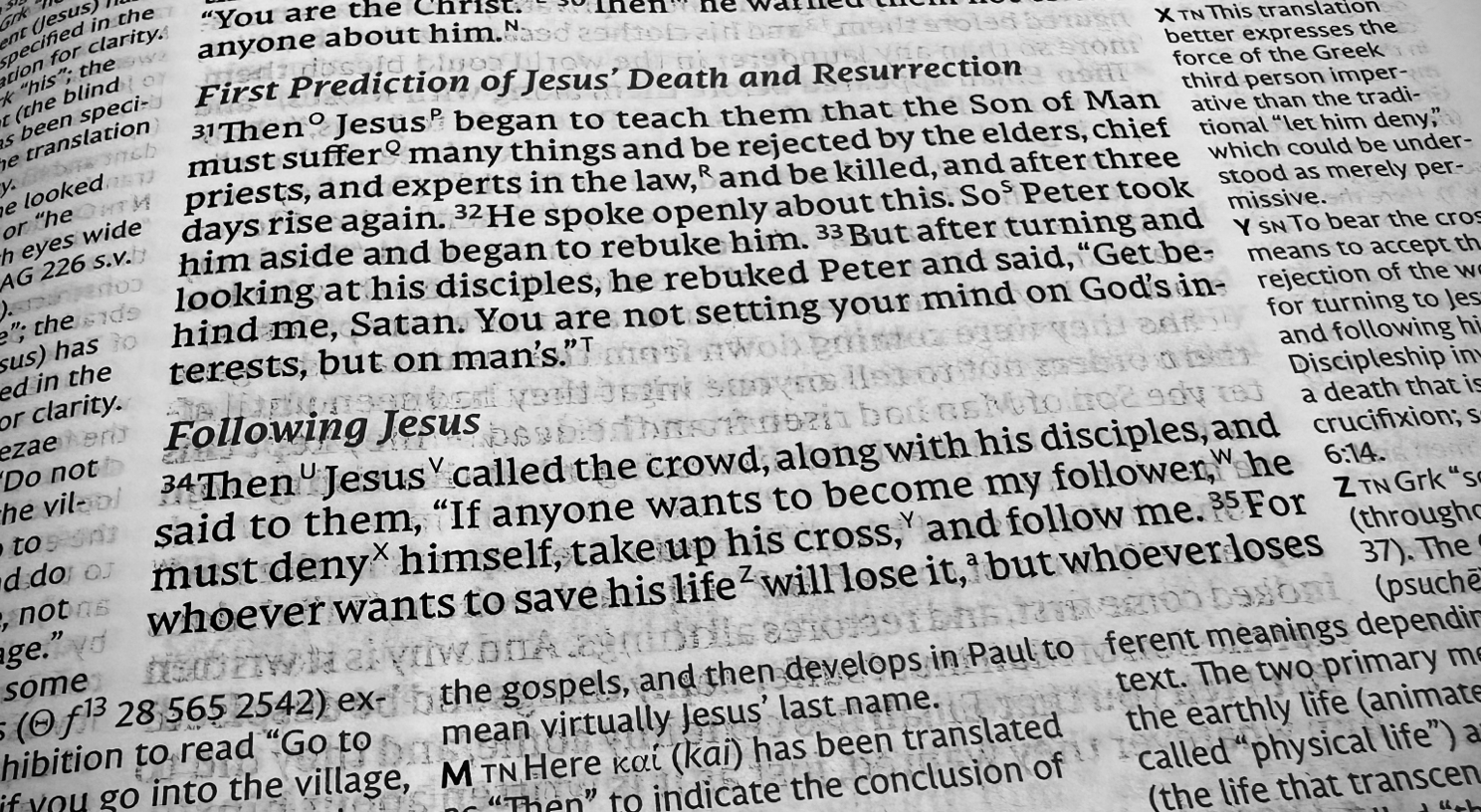
The Things of God and the Things of Humanity
This essay examines the tension between divine and human action not as a metaphysical divide, but as a practical distinction that shapes how time is lived. Rather than separating sacred from secular, it asks how responsibility is distributed across moments of decision. The question is not what belongs to God and what belongs to humanity in principle, but how action unfolds under conditions of finite agency,

Zarathustra’s Middle Path

Civitas Peregrina and Affirmation

Enlightenment, Negation, Re-Reading

The Nature of Sin

Acedia and Ressentiment
Acedia and ressentiment are two of Modernity’s sins. We should learn to deal with them.

Time Untethered from Motion
The first in a series of meditations coming to terms with Hans Blumenberg’s The Genesis of the Copernican World. This is an important work for anyone interested in time as practice.

Religion, Philosophy, Time

Messianic Duration

Tone as a Practice of Time

Hamlet’s Ressentiment

Beyond Balance

Cartesian Infinity and Certainty

Disconnecting the Cogito from the Aufklarung

Levinas

Love and Emptiness

Stoic Frontiers

Socratic Ignorance as Ascesis