

Featured Essays


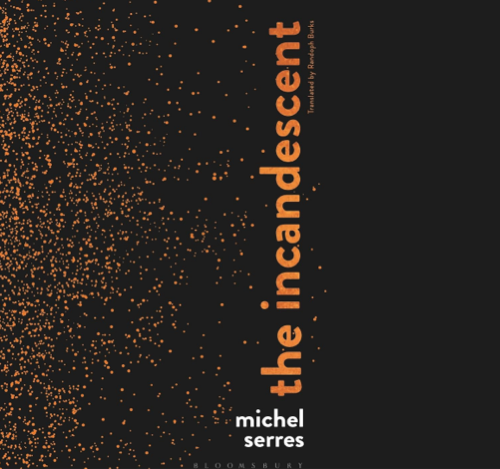
Inventing Behavior After the Neolithic: Michel Serres and the Moral Problem of Auto-Evolution
This essay introduces Michel Serres’ late philosophy by emphasizing its moral core rather than its metaphysics. Drawing on The Incandescent and le Grand Récit, it explores auto-evolution, violence, and the challenge of inventing moral orientation after the Neolithic age.

The Cave Paintings of Tito Bustillo
Reflections on my May 2025 visit to the caves of Tito Bustillo in Spain’s Asturias region.
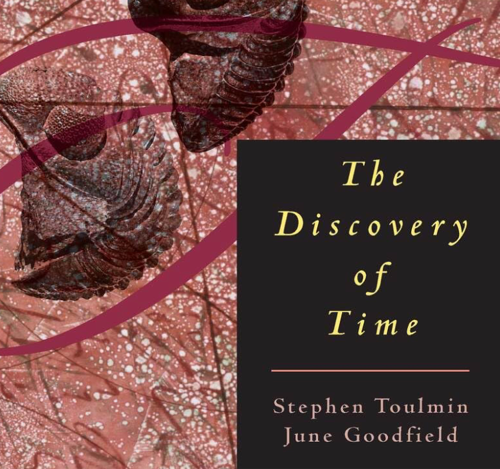
The Discovery of Time - Stephen Toulmin and June Goodfield
Humans are not automatically born with a consciousness of how long the Earth has been around. The Discovery of Time traces the story of how Enlightenment geologists undid the long-standing consensus that the events of Genesis occurred around 4000 BCE. This is perhaps the Enlightenment's greatest legacy.
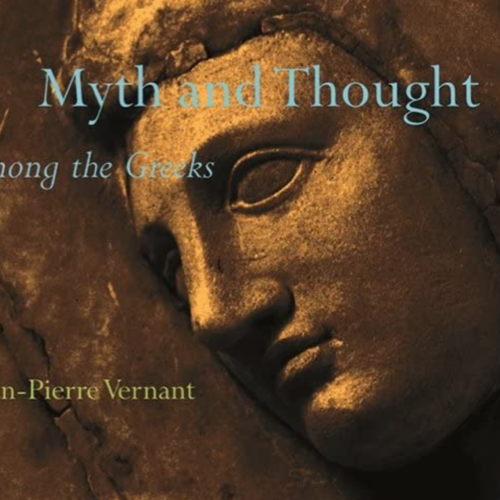
Myth and Thought among the Greeks - Jean-Pierre Vernant
An exceptionally detailed and compelling investigation into the evolution of Greek philosophical thought out of myth.

The Radical Philosophy of Saint Paul - Stanislas Breton
Breton set in motion the philosophical and theological reconsideration of Paul (which was already underway in more scholarly investigations into ‘the historical Paul’). This book is crucial to the reconsideration of Paul that found in his letters the power to suspend the weight of culture to find ‘new horizons’ of salvational experience.

The Natural Contract - Michel Serres
Michel Serres at his most political. This 1990 book is a defining work in the modern understanding of the climate crisis. I've written a long essay inspired by the depth and breadth of Serres vision.

Jesus and Pilate - Giorgio Agamben
The trial of Jesus was not a trial but a “handing over” as a form of giving up in the face of the “crossing of the temporal and the eternal that assumed the form of a trial.”

Antirrhetikos - Evagrius
David Brakke’s Introduction to his translation of this key work by Evagrius of Pontus is well worth the read. In Evagrius I have found no one who more intensely thought about time as practice.

The Highest Poverty - Giorgio Agamben
The monastery perfected the structuring life through the rigorous measurement of time. This went well beyond simply organizing the day. How the monks spent their time became integral to their salvation, and a template for others.

The Genesis of the Copernican World - Hans Blumenberg
Copernicus did not kick humanity out of the center of the universe. He made the Earth a star and also tried to restore the harmonious relationship between God’s creation and humanity. The consequences for the configuration of time are underappreciated. This book corrects that.
