

Featured Essays


What Is Intelligence?
If intelligence is the ability to predict and influence the future, as Blaise Agüera y Arcas argues, then Nietzsche saw its deeper dynamic long ago. In Zarathustra, the will to truth becomes a will to power—the creative drive that makes the world intelligible so that it might bend and behave. From Babylonian astronomy to artificial intelligence, our growing computational power continues this movement, expanding humanity’s capacity to shape time itself.
What Is Religion?
At some point, anyone who seriously reflects on their place in the world encounters a deeper question than what to do next. The question is whether we are being called—called to attend to something that exceeds us and yet moves through us. This essay explores religion not as belief or law, but as a cultivated openness to purpose arriving from beyond the self. It argues that discernment, not certainty, is what keeps purpose from hardening into dogma, and that metanoia names an orientation to the future that remains alive to what has not yet taken shape.
Out-Computing the Gods
This essay examines how the discovery of computation transformed humanity’s relationship to fate. Beginning with Babylonian astronomy, it shows how early techniques of prediction turned omens into foresight, allowing humans to anticipate and intervene in processes once attributed to the gods.
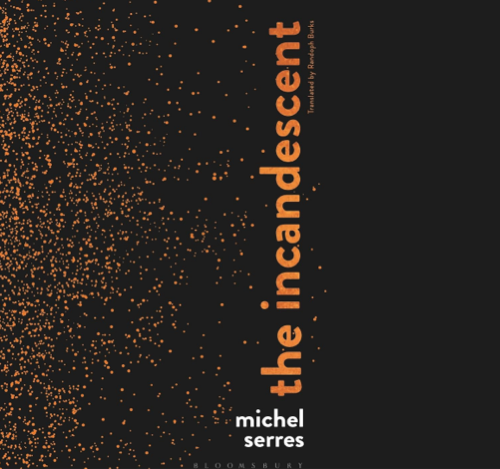
Inventing Behavior After the Neolithic: Michel Serres and the Moral Problem of Auto-Evolution
This essay introduces Michel Serres’ late philosophy by emphasizing its moral core rather than its metaphysics. Drawing on The Incandescent and le Grand Récit, it explores auto-evolution, violence, and the challenge of inventing moral orientation after the Neolithic age.
Fate, Computation and the End of Christian Time
This brief essay traces how Enlightenment calculation reshaped humanity’s experience of time, fate, and foresight—from biblical chronology to geological deep time and modern predictive control. Rather than condemning the Enlightenment, it argues for renewing its legacy by learning how to live responsibly within the futures we now help to compute.
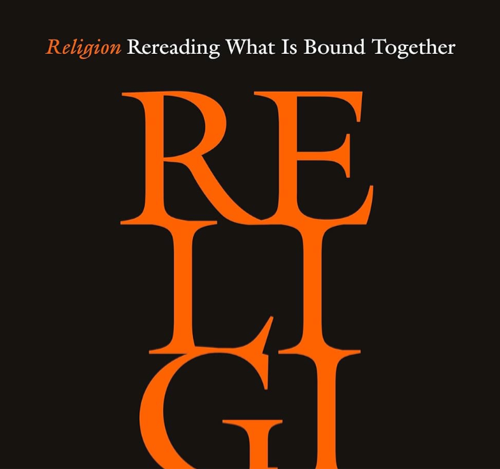
Michel Serres: The Synthetic Experience of Religion
This essay offers an accessible introduction to Michel Serres’s philosophy through his final book Religion. It explains how concepts like clinamen, emptiness, and navigation help us understand responsibility, violence, and meaning in modern life.

The Cave Paintings of Tito Bustillo
Reflections on my May 2025 visit to the caves of Tito Bustillo in Spain’s Asturias region.

The Return of Fate
The more we have sought to bring nature’s processes under our control, the more we live within a lack of control.

Living with Our Intelligence
Reflections on how ill-prepared our traditional moralities are for the world in which we live. The speed and spread of computational power is forcing a revaluation of values that we are not equipped to handle.
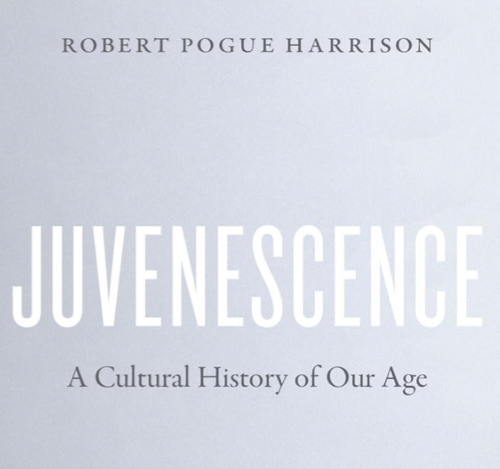
Juvenescence - Robert Pogue Harrison
An essay on the experience of heterochronic time in our turbulent age. Harrison offers his characteristically unique take on heterchronic time and humanity’s ability to remain youthful while we age.
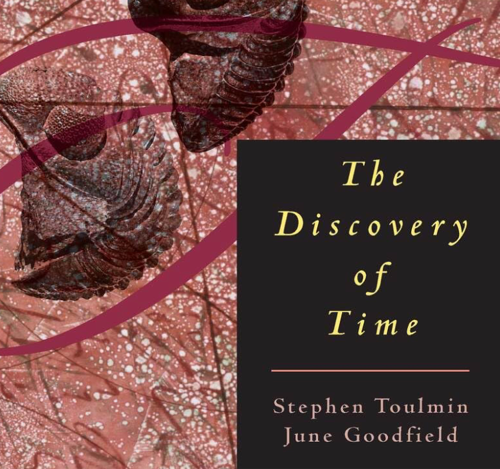
The Discovery of Time - Stephen Toulmin and June Goodfield
Humans are not automatically born with a consciousness of how long the Earth has been around. The Discovery of Time traces the story of how Enlightenment geologists undid the long-standing consensus that the events of Genesis occurred around 4000 BCE. This is perhaps the Enlightenment's greatest legacy.

New Gods for a New Time
The Enlightenment pushed God and gods to the sidelines, but as our time continues to evolve, are we letting them back in?
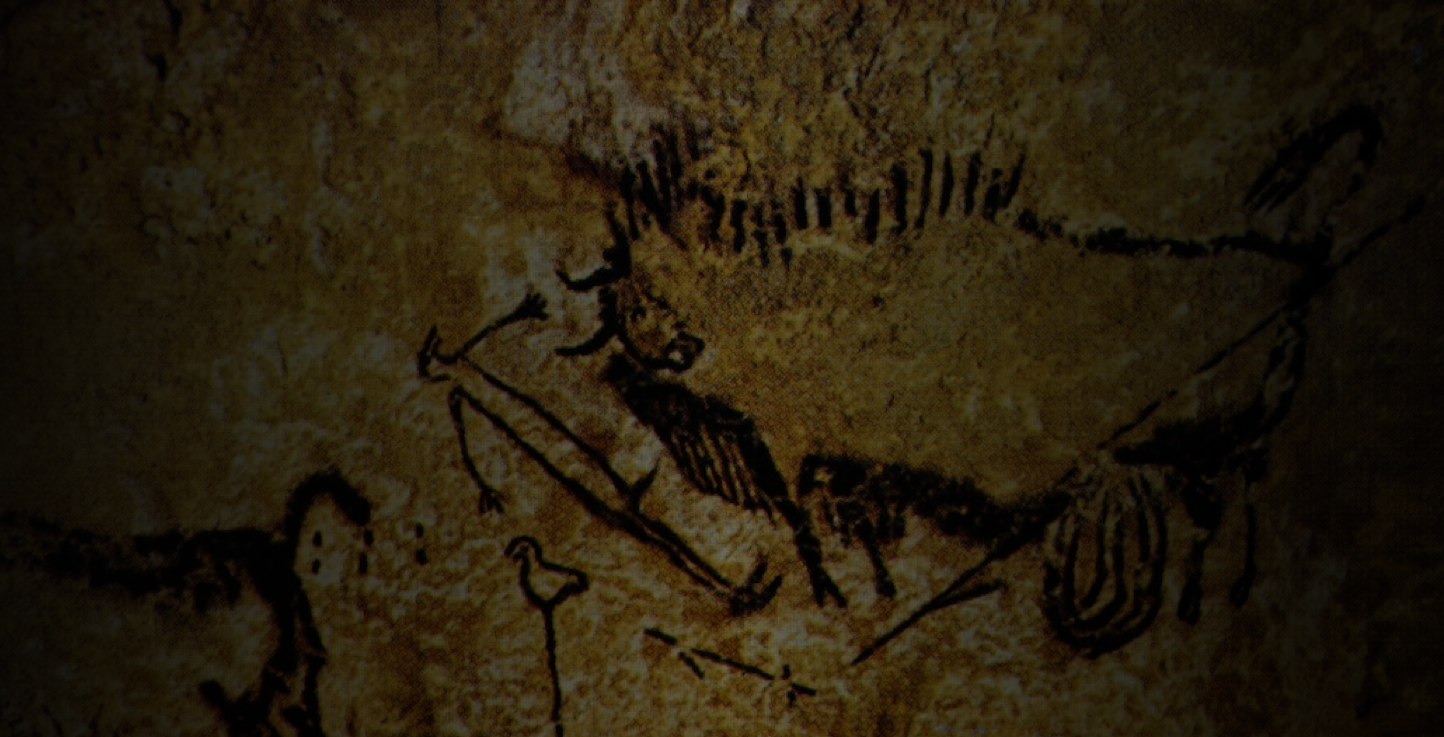
Bataille, Religion, Experience
What is to become of religion in our time? In this essay, I descend into Bataille’s speculations on the contingent birth of consciousness out of the ‘water in water’ of pure experience.

Ressentiment Unbound
Nietzsche treated ressentiment as a consolation for a desire for vengeance that is too weak to act. But what happens when it finds itself in power? In this essay, I explore the consequences of empowered ressentiment on the woke left.
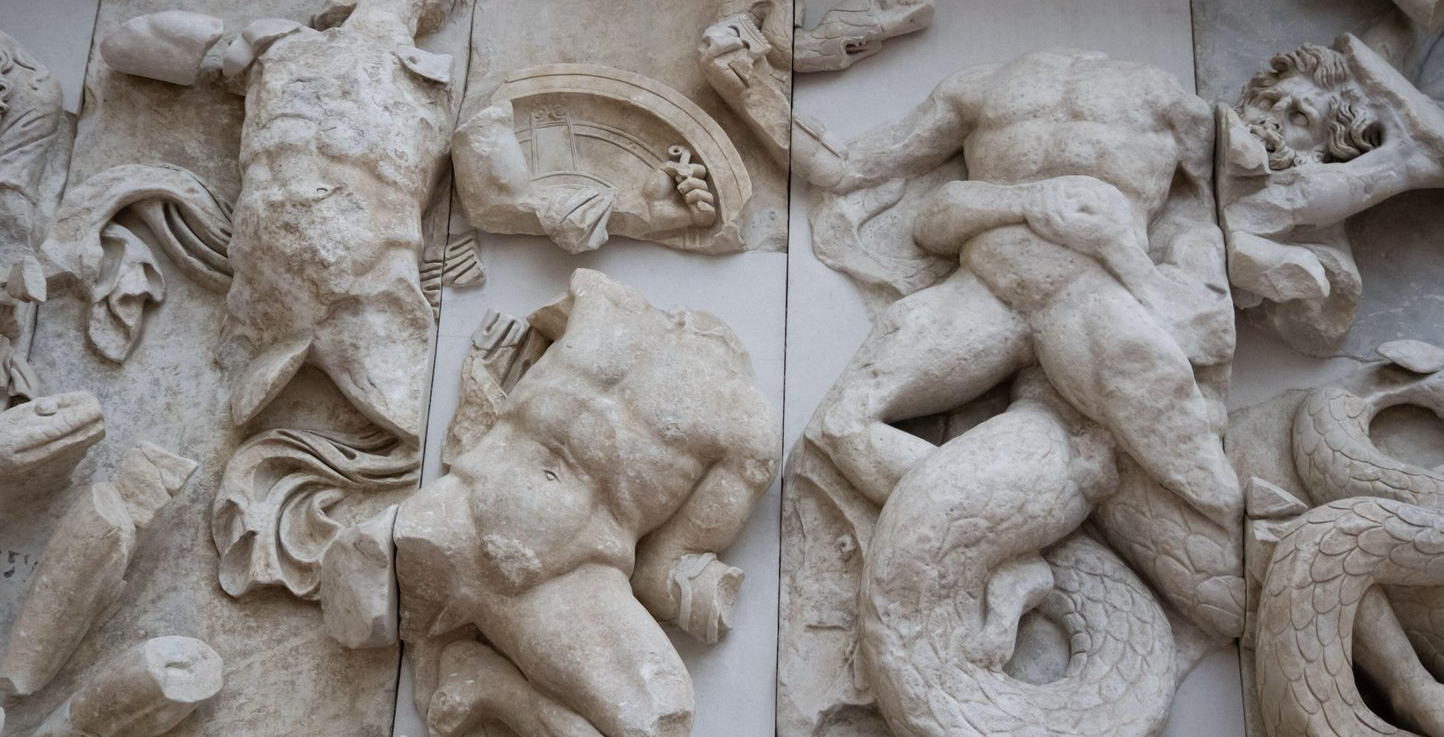
Reading the Iliad: Mênis and the Moral Compass
Descending into Achilles passive mēnis in the Iliad leads to a better understanding of the birth of our democratic moral compass.

Metanoia and the Experience of Time: Beyond Repentance and the Practice of Change in Mark’s Gospel
This brief essay revisits metanoia in Mark’s Gospel as a radical change in our experience of time. This poetic reflection reframes one of Jesus’ first words — often mistranslated as ‘repent’ — as an invitation to loosen expectation and inhabit a time of possibilities.

Reading the Iliad: Wisdom and Violence
The first of an ongoing re-engagement with the Iliad. Here we have an untimely meditation that holds up the mirror of violence to a culture desparately in need of alternatives to vendettas.

The Natural Contract - Michel Serres
Michel Serres at his most political. This 1990 book is a defining work in the modern understanding of the climate crisis. I've written a long essay inspired by the depth and breadth of Serres vision.

The Parasite - Michel Serres
An essay on how to use 'the parasite' as an operational concept that expands our capacity for experience.

Birth of Physics - Michel Serres
Michel Serres makes Lucretius our contemporary. Published just before Le Parasite, Le Naissance de la physique was a key moment in the history of chaos theory and the ability to see order emerging from disorder -- a reversal of the Enlightenment's formula. Serres finds in Lucretius' De rerum natura a pre-Modern text that offers a more relevant way of thinking about order and disorder free of eternal natural laws.