

Featured Essays
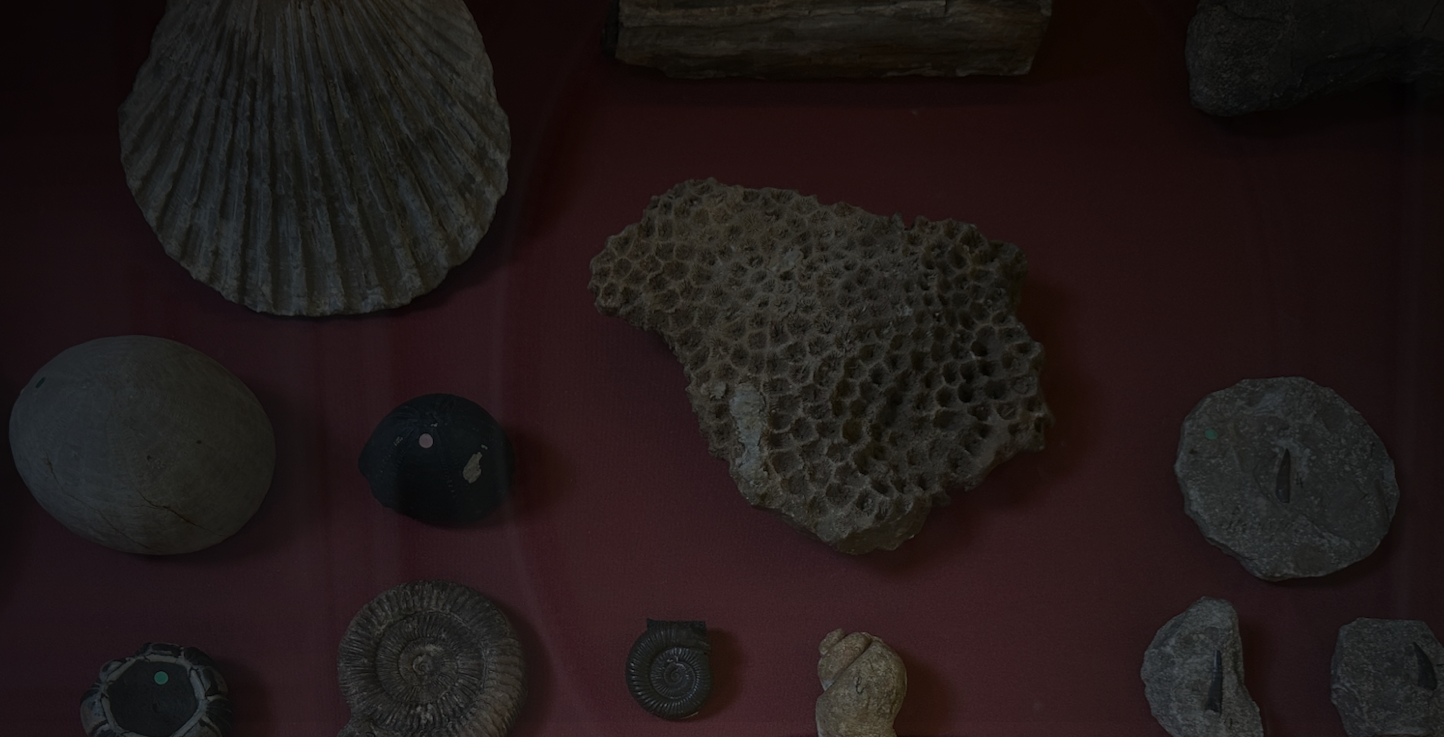
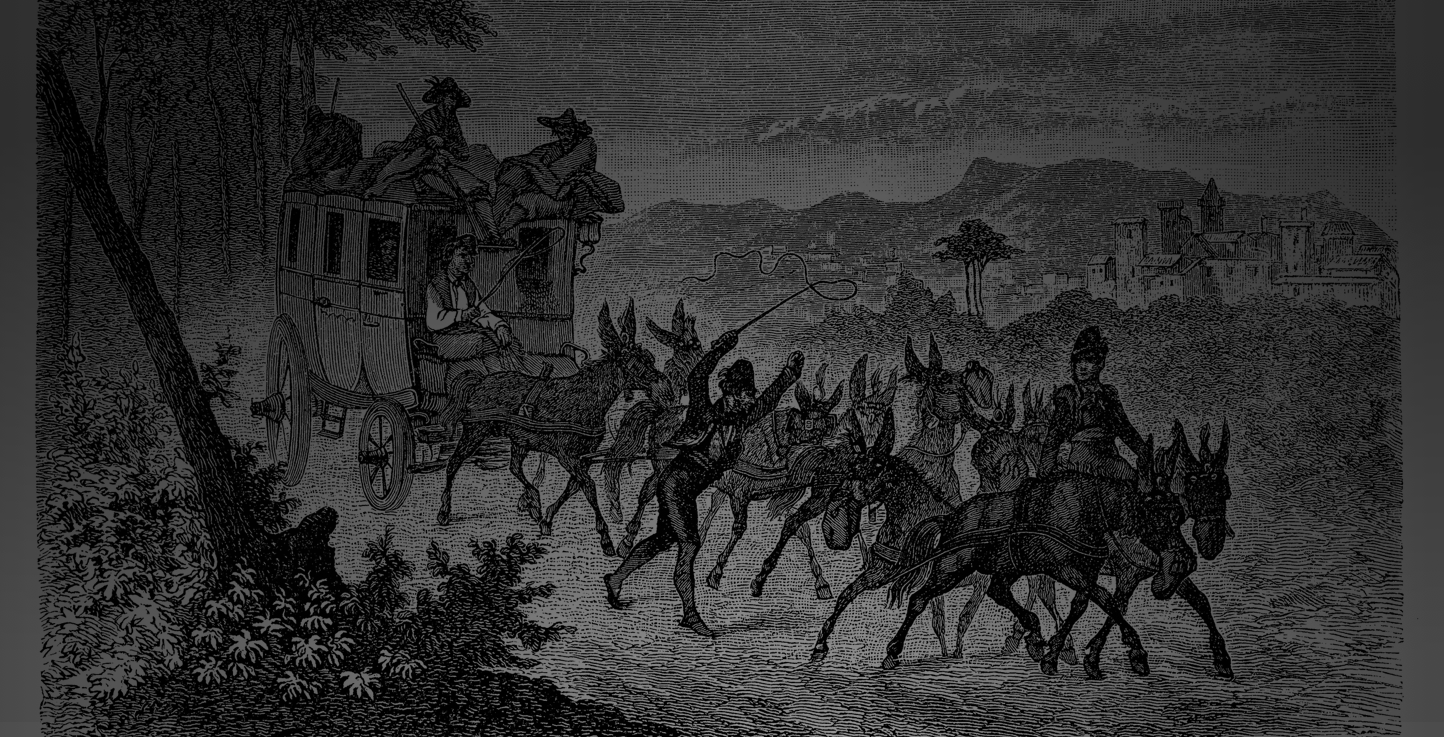


Inventing Behavior After the Neolithic: Michel Serres and the Moral Problem of Auto-Evolution
This essay introduces Michel Serres’ late philosophy by emphasizing its moral core rather than its metaphysics. Drawing on The Incandescent and le Grand Récit, it explores auto-evolution, violence, and the challenge of inventing moral orientation after the Neolithic age.
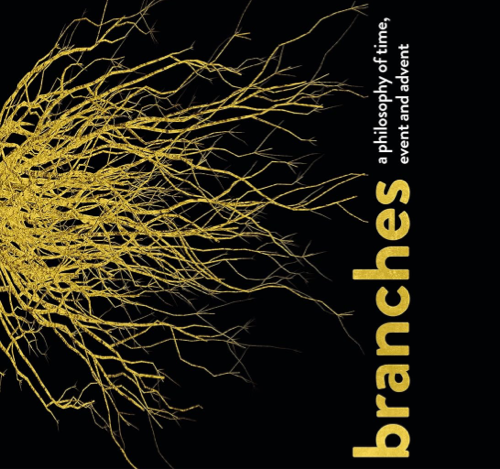
Fate, Computation and the End of Christian Time
This brief essay traces how Enlightenment calculation reshaped humanity’s experience of time, fate, and foresight—from biblical chronology to geological deep time and modern predictive control. Rather than condemning the Enlightenment, it argues for renewing its legacy by learning how to live responsibly within the futures we now help to compute.

The Cave Paintings of Tito Bustillo
Reflections on my May 2025 visit to the caves of Tito Bustillo in Spain’s Asturias region.
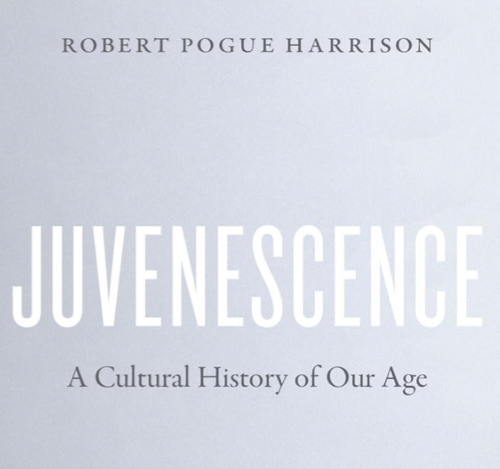
Juvenescence - Robert Pogue Harrison
An essay on the experience of heterochronic time in our turbulent age. Harrison offers his characteristically unique take on heterchronic time and humanity’s ability to remain youthful while we age.
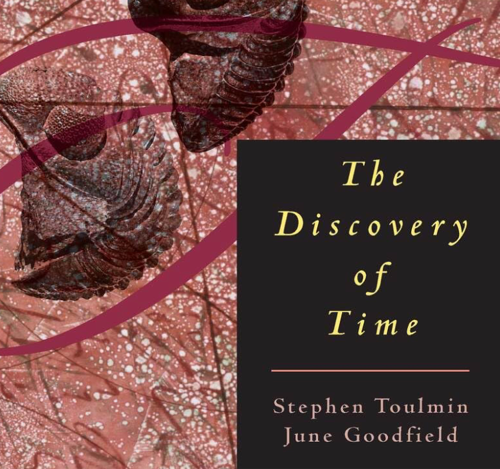
The Discovery of Time - Stephen Toulmin and June Goodfield
Humans are not automatically born with a consciousness of how long the Earth has been around. The Discovery of Time traces the story of how Enlightenment geologists undid the long-standing consensus that the events of Genesis occurred around 4000 BCE. This is perhaps the Enlightenment's greatest legacy.

Powers of Time - David Lapoujade
One of the best explanations of Bergson’s thought. Lapoujade connects duration with motion and in the process exposes why Bergson’s thought is more than conceptual philosophy. It is the transformation of how we experience ourselves and the world.

The Radical Philosophy of Saint Paul - Stanislas Breton
Breton set in motion the philosophical and theological reconsideration of Paul (which was already underway in more scholarly investigations into ‘the historical Paul’). This book is crucial to the reconsideration of Paul that found in his letters the power to suspend the weight of culture to find ‘new horizons’ of salvational experience.

The Natural Contract - Michel Serres
Michel Serres at his most political. This 1990 book is a defining work in the modern understanding of the climate crisis. I've written a long essay inspired by the depth and breadth of Serres vision.

The Parasite - Michel Serres
An essay on how to use 'the parasite' as an operational concept that expands our capacity for experience.
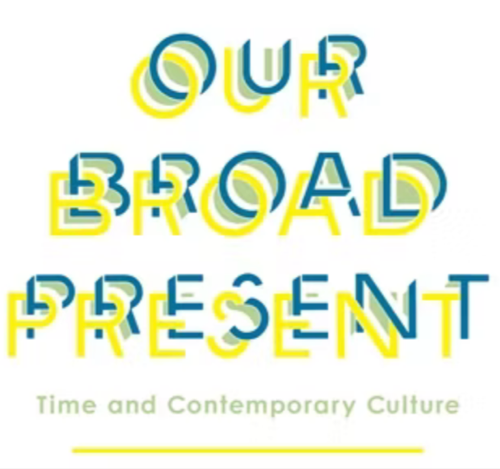
Hans Ulrich Gumbrecht - Our Broad Present
Gumbrecht speculates on what the present has become now that grand narratives of progress are no longer credible.

Peter Galison - Einstein’s Clocks, Poincaré’s Maps
The twentieth century's need for national and global time was a problem of electromagnetism. It became an abstraction (as relativity) out of these practical and commercial concerns.

Dava Sobel - Longitude
Understanding Harrison's clocks is essential to understanding how we got from the Middle Ages to the Enlightenment and our own Modern age. The story of John Harrison's attempts to solve the Longitude Problem is a story about the changing historical consciousness of time.

A Testament of Hope
If you want to understand Modernity, start here.

Down to Earth - Bruno Latour
A highly accessible version of Facing Gaia. For me it is the classic statement of how the accumulation of wealth has become the latest expression of Gnosticism.

The Genesis of the Copernican World - Hans Blumenberg
Copernicus did not kick humanity out of the center of the universe. He made the Earth a star and also tried to restore the harmonious relationship between God’s creation and humanity. The consequences for the configuration of time are underappreciated. This book corrects that.

Cosmopolis - Stephen Toulmin
A very accessible understanding of how Modernity emerges out of the late Middle Ages as a desire for “certainties” arising out of the conflicts and terrors of the European violence of the seventeenth century.