

Featured Essays


Key Themes
History of Intelligence
AI sets in motion a new chapter in the history of intelligence’s confrontation with fate and necessity. Telling the stories of its twists and turns will broaden our upstanding of what intelligence has been and can be.
Computational Power
These essays examine how digital systems reshape experience, agency, and the unfolding of time. This is not a moral complaint; it is an examination of possibilities.
Rejuvenation
Modernity is not defined by the loss of meaning, but by the expansion of human self-assertion—the long effort of our genus to shape contingency, redirect fate, and assume responsibility for outcomes once attributed to nature or the gods.
Reading Nietzsche in the Age of AI
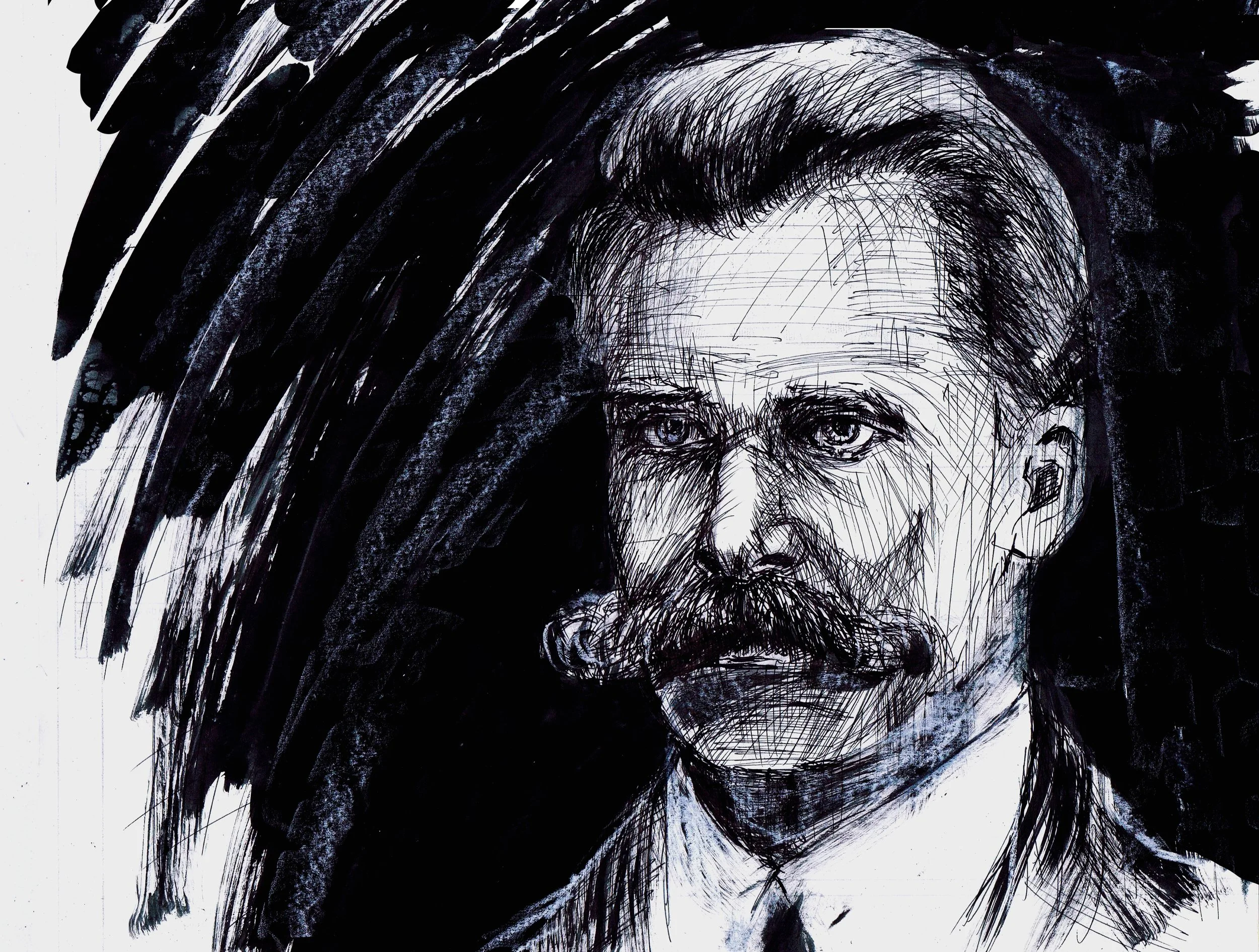
This essay reads Nietzsche's "sovereign individual" in The Genealogy of Morality, Essay II, within the history of intelligence: the paradoxical capacity, bred through memory and suffering, to separate contingency from necessity and redirect fate toward imagined futures. It closes by suggesting that in an age of AI, this capacity — which Nietzsche saw nature incubating in humans — might now extend into other vehicles, like computational machines.
Intelligence and the Discovery of Time
The Enlightenment did more than champion reason. It transformed humanity’s experience of time itself. As geology shattered the chronology of Genesis and time expanded in both directions, intelligence became something new: the capacity to orient ourselves toward an open future without relying on inherited certainty. In the age of artificial intelligence, that unfinished project deserves renewed attention.
What does it mean to call our era ‘unintelligent’?
The paradox is that AI enters history promising an expansion of intelligence just as our collective ability to imagine a future beyond the present seems to be collapsing. We have become extraordinarily capable of optimization, but increasingly uncertain about what we are optimizing toward.Intelligence, I suggest, is not merely the ability to produce better outcomes. It is the ability to transform what appears to be fate into possibility.

What does AI have to do with the Enlightenment?
AI arrives at the moment when our confidence in the future is weakening. The Enlightenment was humanity’s great wager that intelligence could transform necessity into possibility—that we could collectively create a better future. Artificial intelligence is the newest expression of that wager. But without a shared orientation toward the future, intelligence risks becoming acceleration without direction.

Where is intelligence? From Foedera Fati to Foedera Naturae
A philosophical exploration of intelligence through Lucretius’ De rerum natura, examining the clinamen, volition, contingency, and the transformation from fate (foedera fati) to nature (foedera naturae). Intelligence is understood not as a fixed property of minds or machines, but as the Universe’s adaptive capacity to turn necessity into possibility.

Stoic Assent, Emotion, and Reason: Intelligence as Elbow Room Within Necessity
Assent names the capacity to find some elbow room in the causal chain set off by the trigger. I am not a cylinder; I do not have necessity programmed into me beyond the necessity of experiencing the trigger. What I do with the triggering cause downstream requires my assent—consciously granted or not.
Computation All the Way Down?
Michel Serres describes humanity as a despecialized species engaged in a wager that our own universality and the universality of the cosmos are “of the same order.” This wager underlies our technologies, sciences, and increasingly our efforts to build artificial intelligence. Rather than reducing intelligence to computation or confining it to biological life, the essay proposes understanding intelligence as the adaptive expansion of contingency within necessity across the long history of energy, information, and effort.
Toward a History of Intelligence
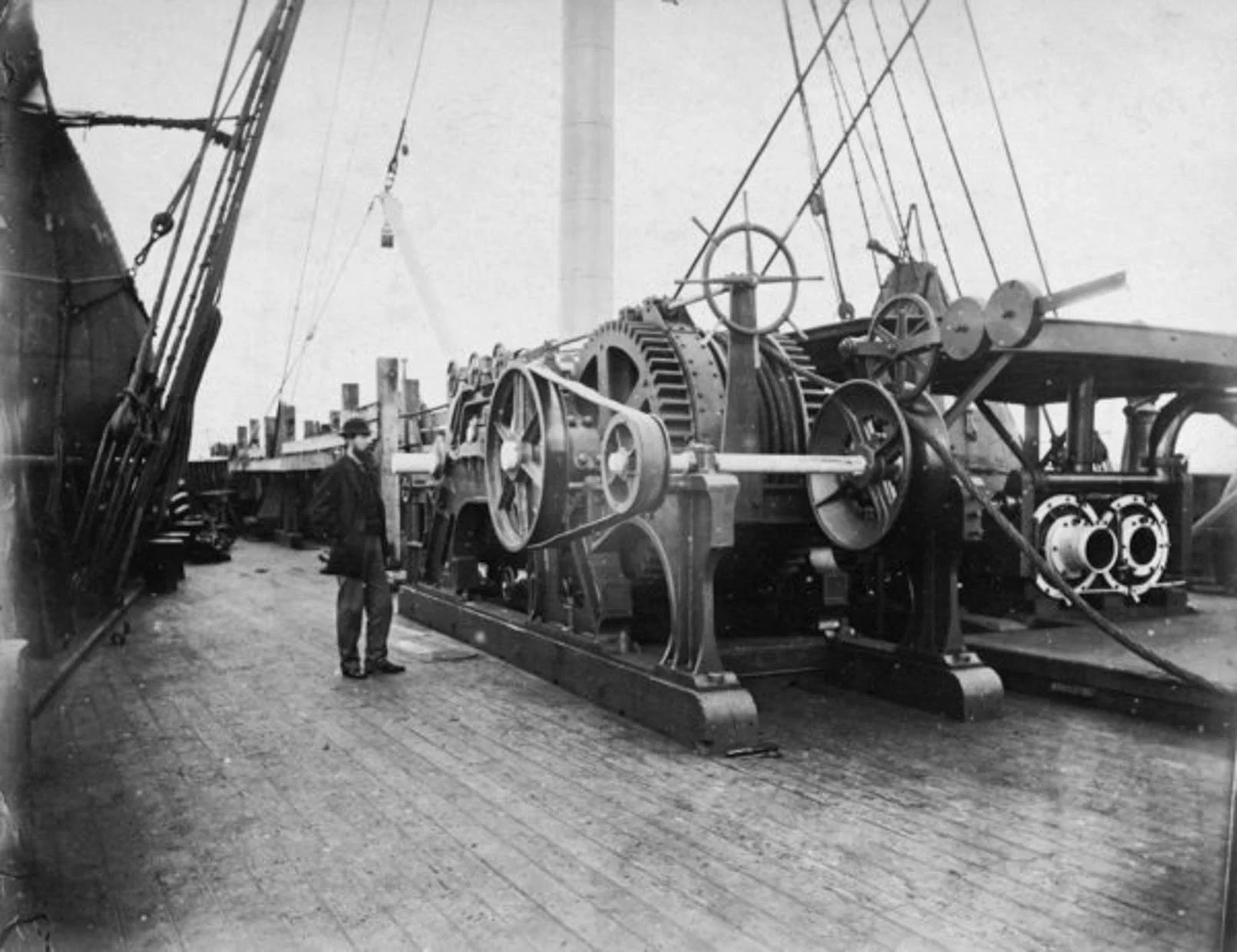
As AI engineers operationalize definitions of intelligence at planetary scale, we are pressed to ask larger historical questions: Does intelligence have a history? This essay proposes “Histories of Intelligence” that reconnect cave paintings, Babylonian astronomy, navigation, spirituality, discernment, and AI within a single unfolding struggle to turn fate into possibility.
Intelligence and the Revaluation of Interruption: From Ant Roads to Enlightenment Roads
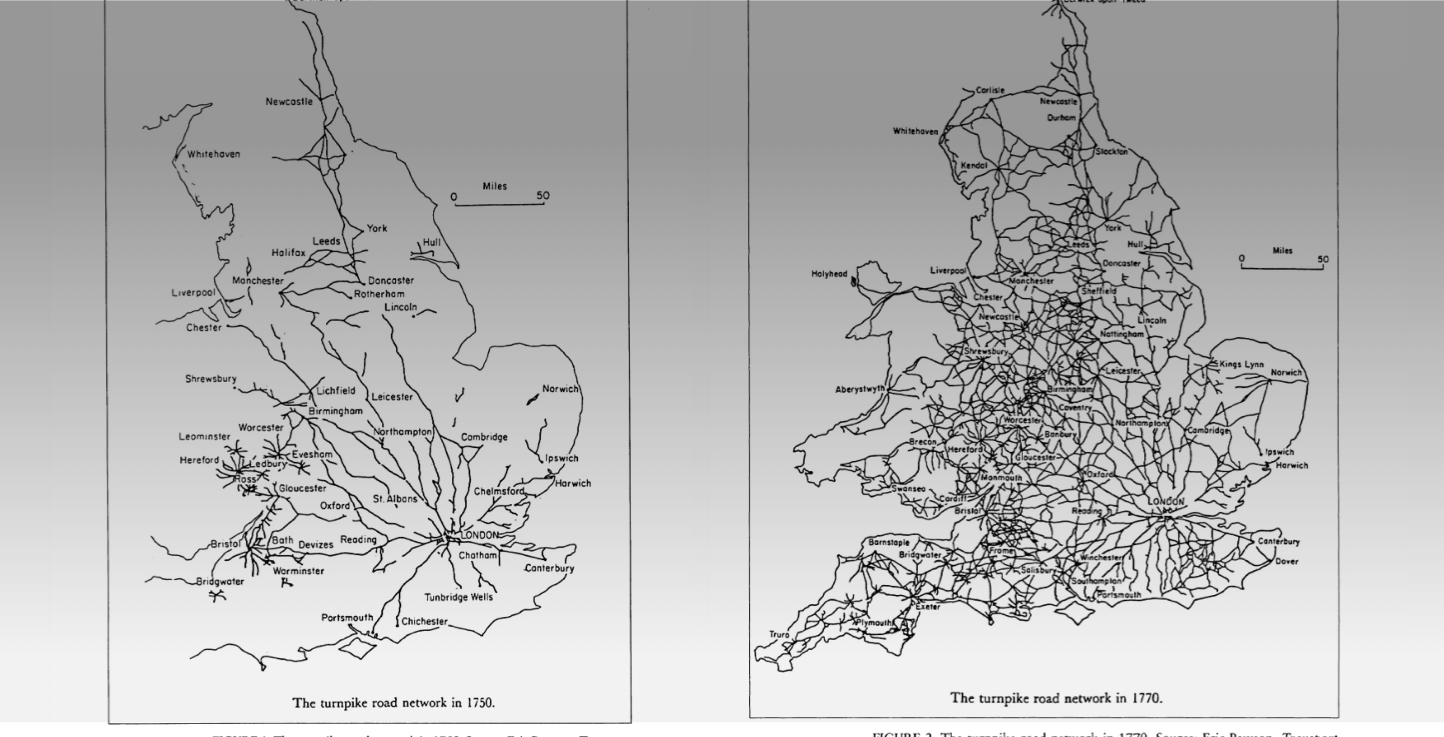
What separates the ‘roads’ of army ants from the roads of the Enlightenment? This essay explores intelligence not as a fixed function, but as life’s expanding capacity to turn fate into possibility. Moving from bacteria and ant colonies to Augustine, temptation, and British inland navigation, it argues that intelligence emerges through the widening gap between function and orientation—the opening of time itself into an unfinished field of possibilities.
The Enlightenment’s Wager: Intelligence, AI, and the Open Future
What if the Enlightenment was not merely a historical era, but an unfinished wager on intelligence itself? This essay explores AI, Bergson, David Deutsch, James Hutton, and the possibility that intelligence expands by turning fate into an open field of possibilities. Against polarization, monoculture, and ressentiment, it argues for a rejuvenated Enlightenment grounded in accompaniment, fallibilism, and the courage to leap beyond what we already believe we understand.

Artificial Instinct? Rethinking Intelligence Through Interruption
Is computation enough to explain intelligence? This essay argues that the difference between instinct and intelligence emerges in moments of interruption—when response becomes choice, and time opens to possibility.

Intelligence Against Instinct: Why Prediction Is Not Enough
Modern AI equates intelligence with prediction. But intelligence begins when instinct is interrupted—when necessity opens into possibility.
The Enlightenment and the Intellect
The Enlightenment did not simply give us better explanations—it gave us time. By stretching human awareness into deep pasts and open futures, it transformed intellect into a force that can confront fate itself. Now, as computation accelerates this legacy, the question is no longer whether we can understand the world, but whether our institutions can keep pace with what our intelligence has become.
Intelligence and Instinct II: Contingency and Possibility
Between instinct and action, there is a moment—an interruption. This essay explores how intelligence emerges in that gap, not to return to purpose, but to reshape it, opening time to contingency and new possibilities.

Instinct and Intelligence
This essay begins a multi-part discussion of instinct and intelligence through Henri Bergson and Blaise Agüera y Arcas. Here the focus is Bergson’s Creative Evolution, where instinct and intelligence appear not as higher and lower stages of one capacity, but as divergent tendencies within life itself. Tool use, consciousness, and freedom come into view as movements of action rather than fixed essences.

Creative Evolution
What is intelligence? Not simply accuracy. Not merely survival. Intelligence is the adaptable and expansive capacity to make the future less like fate and more like an open field of possibility.

What Is Intelligence?
If intelligence is the ability to predict and influence the future, as Blaise Agüera y Arcas argues, then Nietzsche saw its deeper dynamic long ago. In Zarathustra, the will to truth becomes a will to power—the creative drive that makes the world intelligible so that it might bend and behave. From Babylonian astronomy to artificial intelligence, our growing computational power continues this movement, expanding humanity’s capacity to shape time itself.
Purpose, Attention, Discernment
Purpose is unavoidable. It is the water in which we swim. But when purpose hardens into inflexible ends, it risks tyranny. Drawing on Nietzsche and Bataille, this essay explores how discernment keeps purpose open—how freedom must be renewed within the eternal return of time.

‘Gainability’ and the Assertion of Purpose
Intelligence is not merely the ability to predict — it is the capacity to turn prediction into influence. As our creativity expands, so too does our ability to assert purpose, discover pockets of order within uncertainty, and move faster than nature itself. This essay explores Joseph Chen’s recent argument for ‘gainability’ as essential to a ‘universal definition of intelligence’.

Cultivating Purpose, Expanding Intelligence, and the Death of God
Intelligence is not a possession but a practice — the evolving human capacity to model the world, anticipate futures, and arrange causes toward chosen ends. From Babylonian astronomers who outmaneuvered the gods to modern theories of mind, this essay explores how our species learned to open time itself to purpose.