

Featured Essays


Key Themes
History of Intelligence
AI sets in motion a new chapter in the history of intelligence’s confrontation with fate and necessity. Telling the stories of its twists and turns will broaden our upstanding of what intelligence has been and can be.
Computational Power
These essays examine how digital systems reshape experience, agency, and the unfolding of time. This is not a moral complaint; it is an examination of possibilities.
Rejuvenation
Modernity is not defined by the loss of meaning, but by the expansion of human self-assertion—the long effort of our genus to shape contingency, redirect fate, and assume responsibility for outcomes once attributed to nature or the gods.
What does it mean to call our era ‘unintelligent’?
The paradox is that AI enters history promising an expansion of intelligence just as our collective ability to imagine a future beyond the present seems to be collapsing. We have become extraordinarily capable of optimization, but increasingly uncertain about what we are optimizing toward.Intelligence, I suggest, is not merely the ability to produce better outcomes. It is the ability to transform what appears to be fate into possibility.

Intelligence Against Instinct: Why Prediction Is Not Enough
Modern AI equates intelligence with prediction. But intelligence begins when instinct is interrupted—when necessity opens into possibility.
Intelligence and Instinct II: Contingency and Possibility
Between instinct and action, there is a moment—an interruption. This essay explores how intelligence emerges in that gap, not to return to purpose, but to reshape it, opening time to contingency and new possibilities.
The Return of Fate
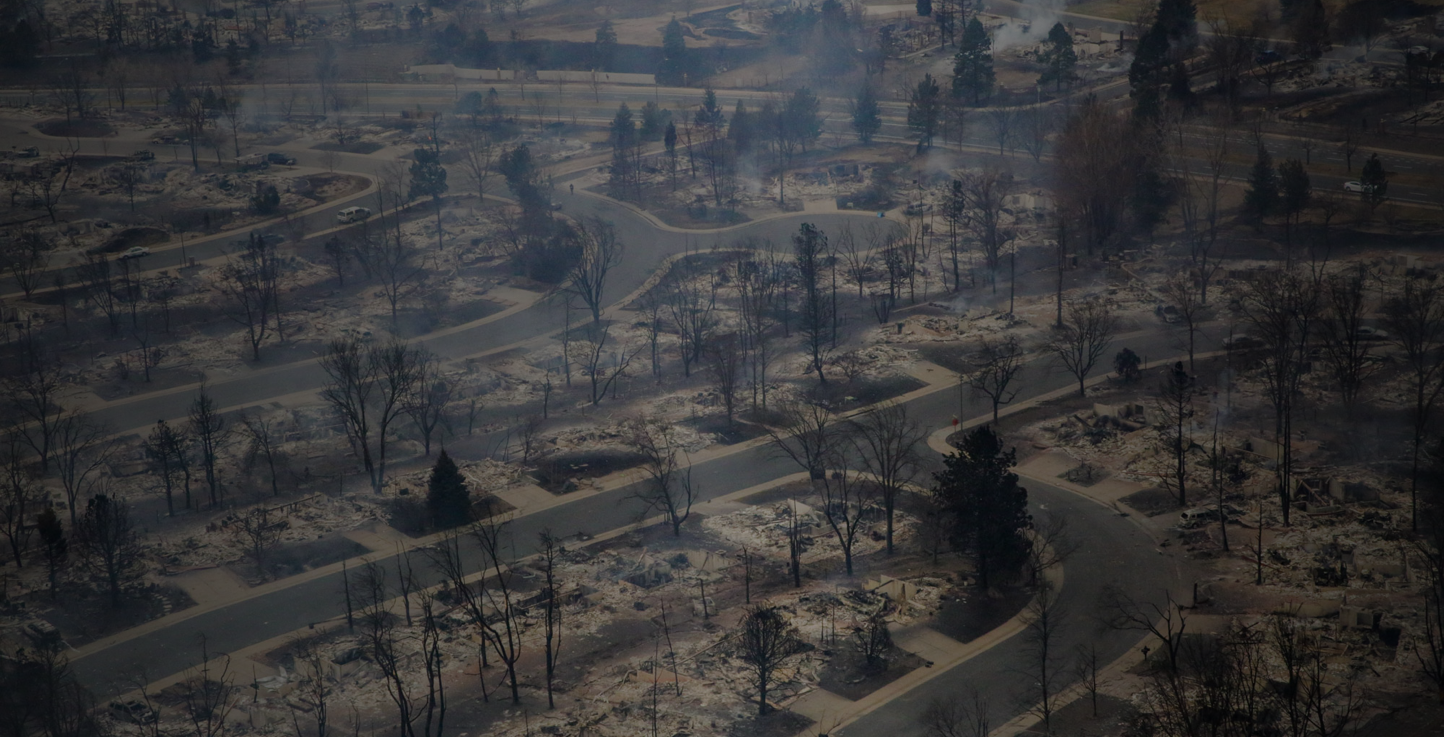
The more we have sought to bring nature’s processes under our control, the more we live within a lack of control.

Levinas

No Escape: Seneca on Earthquakes and Death
Pacific Ring of Fire Earthquake Zone Map

Stoic Frontiers
Virtue without Truth

Stoicism and Using Your Time Wisely

Reason, Emotion and “Stepping Back”

Moral Responsibility and the Flow of Time

What is a “Confession”? Part 1

Seneca and Rorty (on Freud)

Letter 113, From Pedantic to Practical

When Is “Interiority” not on the Inside?

The Apolitical Baggage of Seneca

Tranquility, Citizenship, Interiority

Reason, Politics, Anger, Nonviolence

Reason Is Always Provoked
