Histories of Intelligence
Artificial Intelligence sets in motion a new chapter in the history of intelligence’s confrontation with fate and necessity. Telling the stories of its twists and turns is crucial work for our time out of joint.
Why Histories of Intelligence?
Artificial Intelligence ushers in watershed changes in the history of intelligence. LLM’s in particular are genuinely remarkable accomplishments in the history of intelligence. To reformat our historical record from texts to probability vectors opens entirely new opportunities in the advancement of knowledge and a renewal of the Enlightenment’s optimism about the future. LLM’s also offer tremendous opportunity for our own personal improvement so long as each of us treats them as genuine tools for furthering curiosity and not simply reinforcing what we already believe.
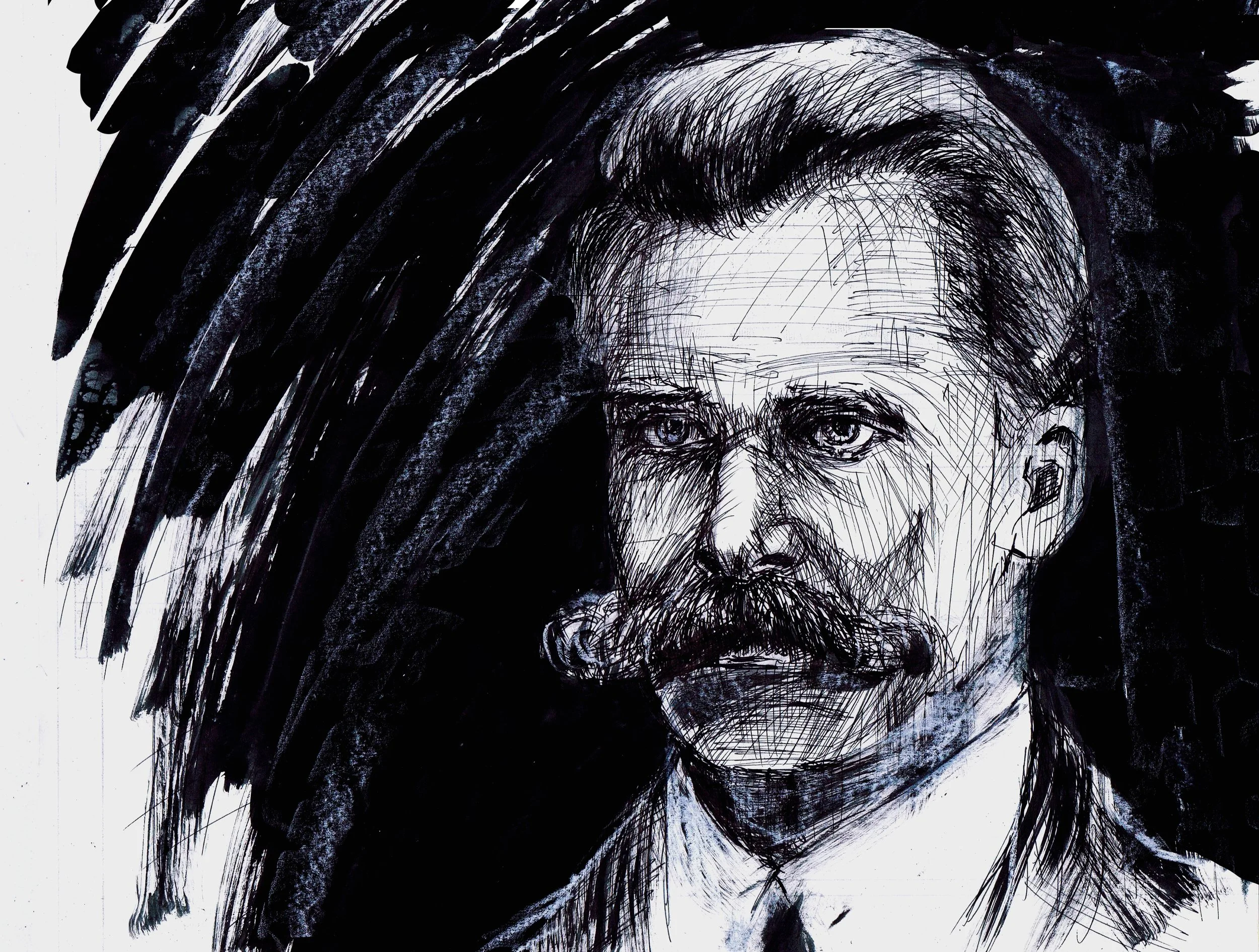
The essays collected here seek a broad and historical understanding of intelligence: the expansive and adaptive capacity to turn necessity into possibilities. It is an ongoing confrontation with fate, necessity and limits—not purely to overcome them but to understand them and to perhaps grow in wisdom as we confront them. This definition lacks a subject by design. Intelligence is not a possession that is exercised by a Being, whether machine or organism. I treat intelligence like the weather when we say ‘It is raining’. The ‘it’ that rains simply marks the absence of an active subject doing the raining. As Nietzsche said about lightning, there is no doer authoring the deed; we cannot separate lightning from its flash (GM 1.13).
The it that exercises intelligence is the it that rains. It thinks. It computes. It predicts. It acts. The grammatically required ‘it’ forces us to pay attention to the effects of the action—raining, thinking, computing, predicting—without naming an actor responsible for the deed. What is it doing? How long will it last? Will it turn into a violent tornado, or will it calm to a gentle, soaking shower?
My aim is not polemical. I don’t wish to offer a replacement definition to those of AI researchers, who focus largely on predictive modeling and error correction. These are important undertakings, but we ought not mistake them for full and complete understandings of intelligence. They are guided by engineering concerns—what can be built, at what cost, and to what ends? My aim is accompaniment. Call it ‘riding shotgun’ if you like. The idea is that there is no single history of intelligence, and there is no single definition. There is only the tracing of its effects, which have been expanding its speed and scope for thousands and perhaps millions of years.
The essays included here take the first tentative steps toward these histories, not as correctives but as bigger and broader views of what intelligence has been and is yet to be.
As AI engineers operationalize definitions of intelligence at planetary scale, we are pressed to ask larger historical questions: Does intelligence have a history? This essay proposes ‘Histories of Intelligence’ that reconnect cave paintings, Babylonian astronomy, navigation, spirituality, discernment, and AI within a single unfolding struggle to turn fate into possibility.
Essential Essays on the Histories of Intelligence

What if the Enlightenment was not merely a historical era, but an unfinished wager on intelligence itself? This essay explores AI, Bergson, David Deutsch, James Hutton, and the possibility that intelligence expands by turning fate into an open field of possibilities. Against polarization, monoculture, and ressentiment, it argues for a rejuvenated Enlightenment grounded in accompaniment, fallibilism, and the courage to leap beyond what we already believe we understand.
The Enlightenment did not simply give us better explanations—it gave us time. By stretching human awareness into deep pasts and open futures, it transformed intellect into a force that can confront fate itself. Now, as computation accelerates this legacy, the question is no longer whether we can understand the world, but whether our institutions can keep pace with what our intelligence has become.
Reflections on how ill-prepared our traditional moralities are for the world in which we live. The speed and spread of computational power is forcing a revaluation of values that we are not equipped to handle.
More Histories of Intelligence
Michel Serres describes humanity as a despecialized species engaged in a wager that our own universality and the universality of the cosmos are “of the same order.” This wager underlies our technologies, sciences, and increasingly our efforts to build artificial intelligence. Rather than reducing intelligence to computation or confining it to biological life, the essay proposes understanding intelligence as the adaptive expansion of contingency within necessity across the long history of energy, information, and effort.
As AI engineers operationalize definitions of intelligence at planetary scale, we are pressed to ask larger historical questions: Does intelligence have a history? This essay proposes “Histories of Intelligence” that reconnect cave paintings, Babylonian astronomy, navigation, spirituality, discernment, and AI within a single unfolding struggle to turn fate into possibility.
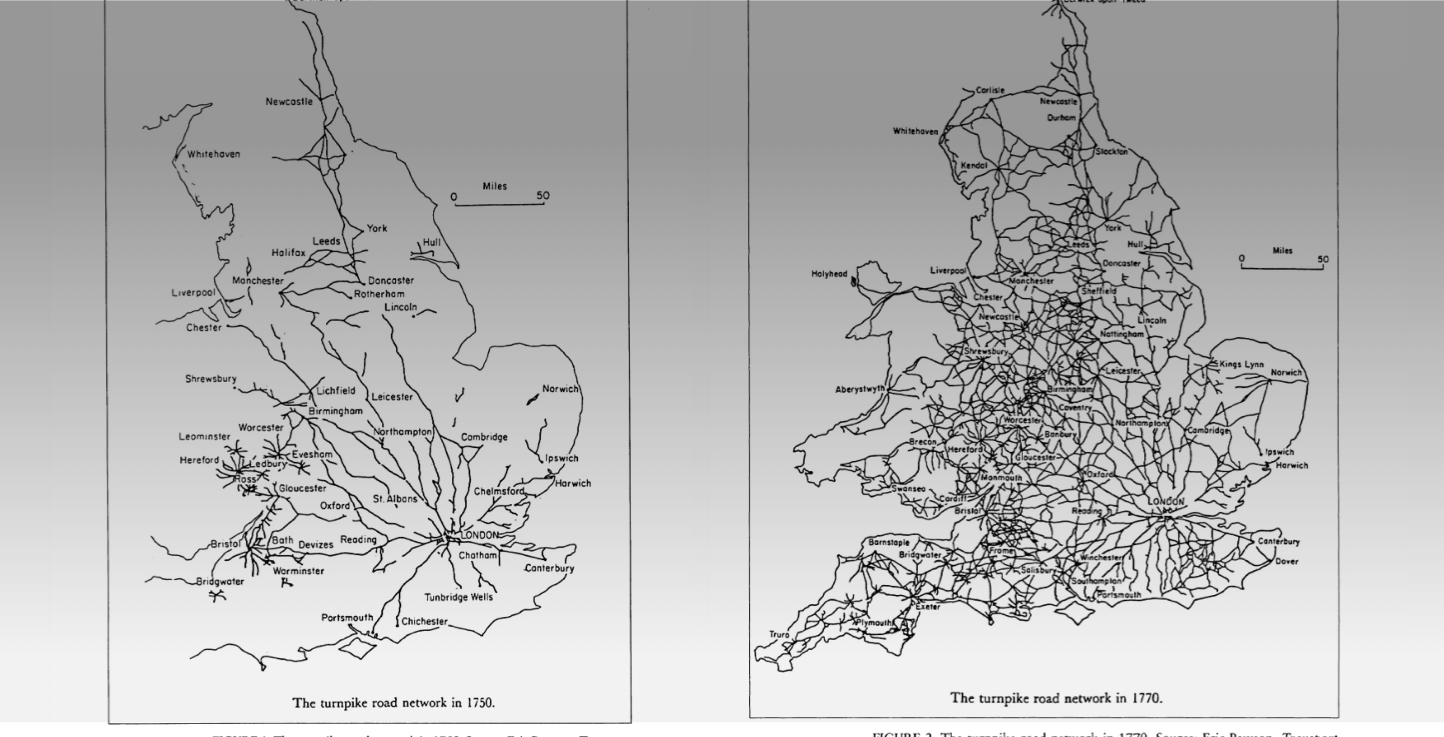
What separates the ‘roads’ of army ants from the roads of the Enlightenment? This essay explores intelligence not as a fixed function, but as life’s expanding capacity to turn fate into possibility. Moving from bacteria and ant colonies to Augustine, temptation, and British inland navigation, it argues that intelligence emerges through the widening gap between function and orientation—the opening of time itself into an unfinished field of possibilities.
What if the Enlightenment was not merely a historical era, but an unfinished wager on intelligence itself? This essay explores AI, Bergson, David Deutsch, James Hutton, and the possibility that intelligence expands by turning fate into an open field of possibilities. Against polarization, monoculture, and ressentiment, it argues for a rejuvenated Enlightenment grounded in accompaniment, fallibilism, and the courage to leap beyond what we already believe we understand.
Is computation enough to explain intelligence? This essay argues that the difference between instinct and intelligence emerges in moments of interruption—when response becomes choice, and time opens to possibility.
Modern AI equates intelligence with prediction. But intelligence begins when instinct is interrupted—when necessity opens into possibility.
The Enlightenment did not simply give us better explanations—it gave us time. By stretching human awareness into deep pasts and open futures, it transformed intellect into a force that can confront fate itself. Now, as computation accelerates this legacy, the question is no longer whether we can understand the world, but whether our institutions can keep pace with what our intelligence has become.
Ants build roads. Humans build infrastructures. The difference is not scale, but what those systems do to possibility. This essay explores how infrastructure reveals a deeper distinction in how life shapes—and limits—the future.
This essay begins a multi-part discussion of instinct and intelligence through Henri Bergson and Blaise Agüera y Arcas. Here the focus is Bergson’s Creative Evolution, where instinct and intelligence appear not as higher and lower stages of one capacity, but as divergent tendencies within life itself. Tool use, consciousness, and freedom come into view as movements of action rather than fixed essences.
What is intelligence? Not simply accuracy. Not merely survival. Intelligence is the adaptable and expansive capacity to make the future less like fate and more like an open field of possibility.
If intelligence is the ability to predict and influence the future, as Blaise Agüera y Arcas argues, then Nietzsche saw its deeper dynamic long ago. In Zarathustra, the will to truth becomes a will to power—the creative drive that makes the world intelligible so that it might bend and behave. From Babylonian astronomy to artificial intelligence, our growing computational power continues this movement, expanding humanity’s capacity to shape time itself.
Purpose is unavoidable. It is the water in which we swim. But when purpose hardens into inflexible ends, it risks tyranny. Drawing on Nietzsche and Bataille, this essay explores how discernment keeps purpose open—how freedom must be renewed within the eternal return of time.
Turing completeness asks whether a system can, in principle, express any computable procedure. But “in principle” hides a physical caveat: unbounded time and memory. Infrastructure—data centers, GPUs, cooling, networks—is the material extension of the Turing tape. It does not change what is computable, but it radically changes what is feasible, viable, and adoptable.
Intelligence is not merely the ability to predict — it is the capacity to turn prediction into influence. As our creativity expands, so too does our ability to assert purpose, discover pockets of order within uncertainty, and move faster than nature itself. This essay explores Joseph Chen’s recent argument for ‘gainability’ as essential to a ‘universal definition of intelligence’.
We are living through a threshold in which humanity increasingly shapes the forces that once shaped us. Reading Michel Serres’ Hominescence invites us to see our present not as a rupture, but as a summation — a moment demanding new moral orientation as we participate in the creation of the humanity to come.
This interpretive essay clarifies the three-part structure of Purpose and Discernment: humans as purpose-making beings, technology as time-shaping causation, and discernment as the practice that keeps accelerating power from becoming a grab. A companion for readers navigating AI, agency, and political rupture.
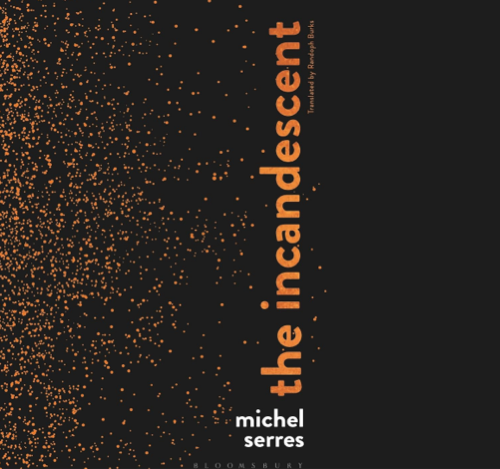
Modern technology does more than accelerate life—it reshapes how time itself is experienced. Drawing on Michel Serres’ reflections in The Incandescent, this essay explores how intention, speed, and exo-Darwinism compress the past into background, turning history into a resource rather than a place we still inhabit.
Michel Serres names our moment a crisis of purpose rather than meaning. In L’Incandescent, he calls it panurgy: the human power to act at the scale of the world itself. As computation accelerates and intelligence becomes a wager, fate gives way to responsibility—and purpose outruns its bearings.
What if our moment is not a crisis of meaning, but a crisis of purpose—one born from the ability to compute the future faster than the values meant to guide it?
A brief reflection on Michel Serres’ understanding of our ongoing power to expand our understanding and harnessing of energy to overcome fate and destiny. He re-reads the experience of religion in this context.
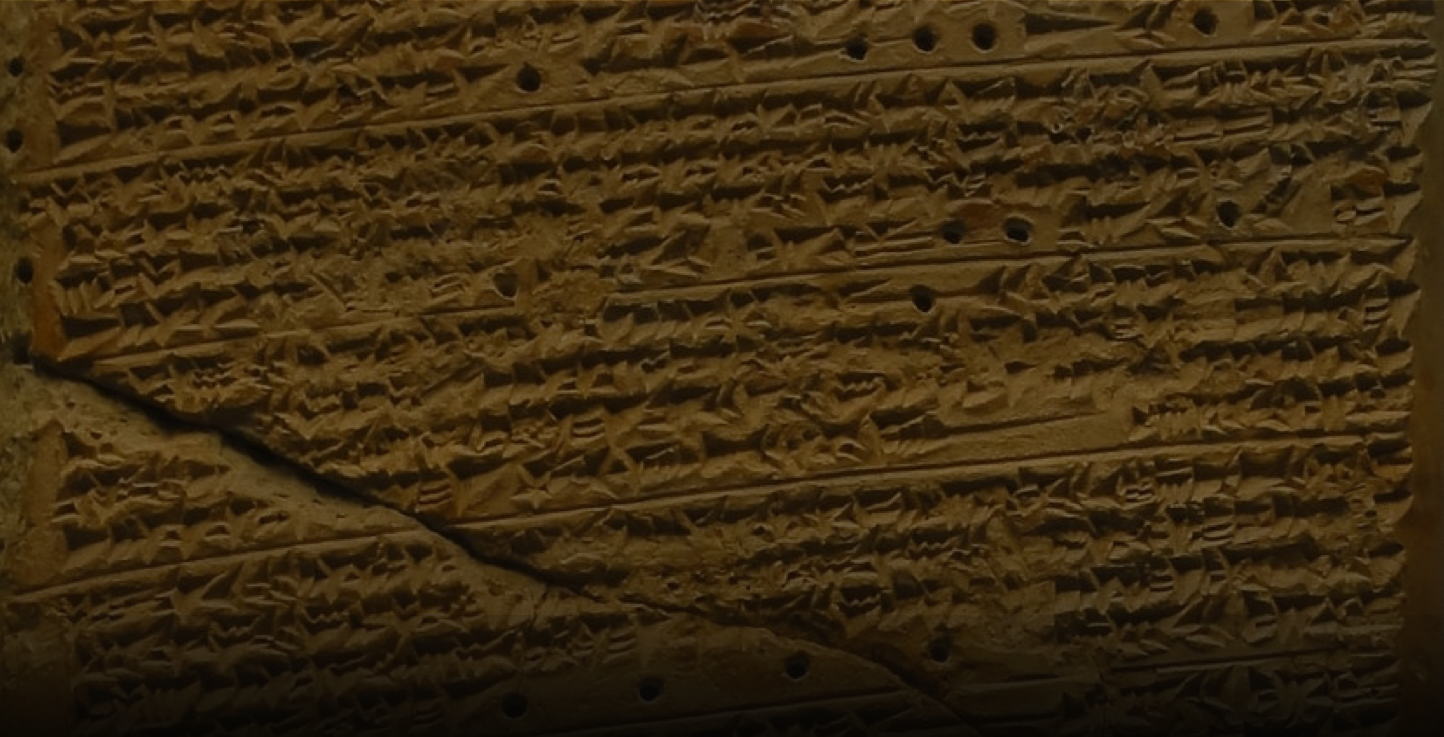
This essay examines how the discovery of computation transformed humanity’s relationship to fate. Beginning with Babylonian astronomy, it shows how early techniques of prediction turned omens into foresight, allowing humans to anticipate and intervene in processes once attributed to the gods.
This essay reads Michel Serres’s The Incandescent as an argument that modern ethics must be extended, not replaced, to meet the speed and scale of global, computational human activity. Drawing on accursed shares, Pan, and traditions of impulse control from Stoicism and Christianity, it shows how moral life today depends on individual refusals of violence that dissipate harm locally even as consequences propagate globally.
This essay introduces Michel Serres’ late philosophy by emphasizing its moral core rather than its metaphysics. Drawing on The Incandescent and le Grand Récit, it explores auto-evolution, violence, and the challenge of inventing moral orientation after the Neolithic age.
This brief essay traces how Enlightenment calculation reshaped humanity’s experience of time, fate, and foresight—from biblical chronology to geological deep time and modern predictive control. Rather than condemning the Enlightenment, it argues for renewing its legacy by learning how to live responsibly within the futures we now help to compute.
This essay offers an accessible introduction to Michel Serres’s philosophy through his final book Religion. It explains how concepts like clinamen, emptiness, and navigation help us understand responsibility, violence, and meaning in modern life.
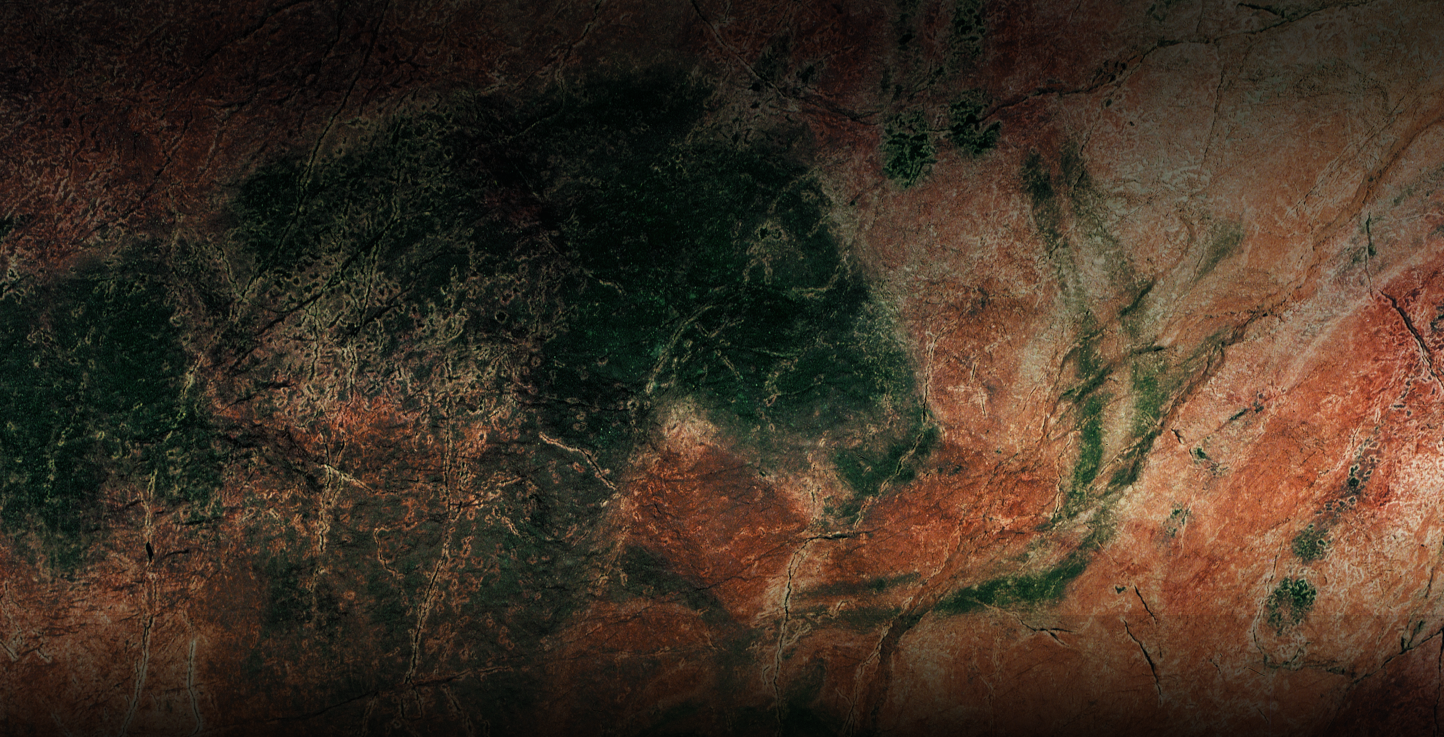
Reflections on my May 2025 visit to the caves of Tito Bustillo in Spain’s Asturias region.
Reflections on how ill-prepared our traditional moralities are for the world in which we live. The speed and spread of computational power is forcing a revaluation of values that we are not equipped to handle.
Humans are not automatically born with a consciousness of how long the Earth has been around. The Discovery of Time traces the story of how Enlightenment geologists undid the long-standing consensus that the events of Genesis occurred around 4000 BCE. This is perhaps the Enlightenment's greatest legacy.
A meditation on what happens to judgment and responsibility when action outpaces reflection.
The Enlightenment pushed God and gods to the sidelines, but as our time continues to evolve, are we letting them back in?