

Featured Essays



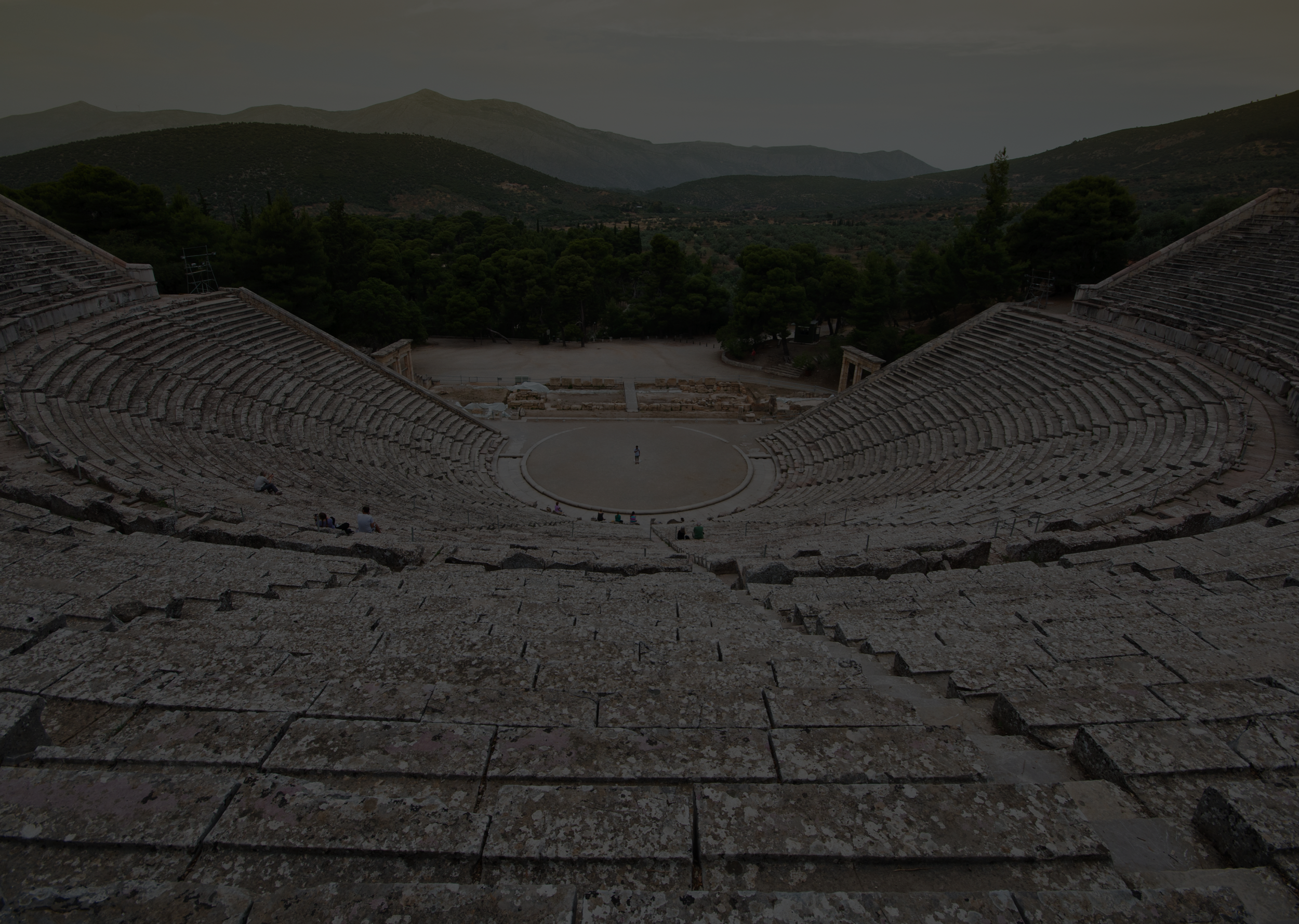
Purpose, Attention, Discernment
Purpose is unavoidable. It is the water in which we swim. But when purpose hardens into inflexible ends, it risks tyranny. Drawing on Nietzsche and Bataille, this essay explores how discernment keeps purpose open—how freedom must be renewed within the eternal return of time.

‘Gainability’ and the Assertion of Purpose
Intelligence is not merely the ability to predict — it is the capacity to turn prediction into influence. As our creativity expands, so too does our ability to assert purpose, discover pockets of order within uncertainty, and move faster than nature itself. This essay explores Joseph Chen’s recent argument for ‘gainability’ as essential to a ‘universal definition of intelligence’.

Purpose and Discernment: A ChatGPT Interpretation
This interpretive essay clarifies the three-part structure of Purpose and Discernment: humans as purpose-making beings, technology as time-shaping causation, and discernment as the practice that keeps accelerating power from becoming a grab. A companion for readers navigating AI, agency, and political rupture.

Cultivating Purpose, Expanding Intelligence, and the Death of God
Intelligence is not a possession but a practice — the evolving human capacity to model the world, anticipate futures, and arrange causes toward chosen ends. From Babylonian astronomers who outmaneuvered the gods to modern theories of mind, this essay explores how our species learned to open time itself to purpose.

Revaluation of Values
What looks like a loss of meaning may instead be a revaluation of values—one forced by technologies that move faster than our ability to localize responsibility or foresee consequences.

The Growing Gap Between Purpose and Discernment
We are not facing a collapse of meaning, but a growing gap between purpose and discernment. As computational power accelerates action faster than ethical habits can keep pace, disorientation hardens into resentment or withdrawal. This essay reframes our moment as a problem of tempo—and offers practical disciplines for learning to judge consequences in motion.

Practice: Repentance or Metanoia?
Metanoia is not repentance by another name. It is an orientation to time that delays meaning, resists judgment, and learns by moving forward. Drawing on Mark’s Gospel, this practice explores how patience, listening, and restraint can open a different experience of the future—one not governed by ressentiment or premature certainty.

Fate, Computation, Purpose
What if our moment is not a crisis of meaning, but a crisis of purpose—one born from the ability to compute the future faster than the values meant to guide it?

Out-Computing the Gods
This essay examines how the discovery of computation transformed humanity’s relationship to fate. Beginning with Babylonian astronomy, it shows how early techniques of prediction turned omens into foresight, allowing humans to anticipate and intervene in processes once attributed to the gods.

Living with Our Intelligence
Reflections on how ill-prepared our traditional moralities are for the world in which we live. The speed and spread of computational power is forcing a revaluation of values that we are not equipped to handle.