

Featured Essays



Stoic Assent, Emotion, and Reason: Intelligence as Elbow Room Within Necessity
Assent names the capacity to find some elbow room in the causal chain set off by the trigger. I am not a cylinder; I do not have necessity programmed into me beyond the necessity of experiencing the trigger. What I do with the triggering cause downstream requires my assent—consciously granted or not.
Toward a History of Intelligence
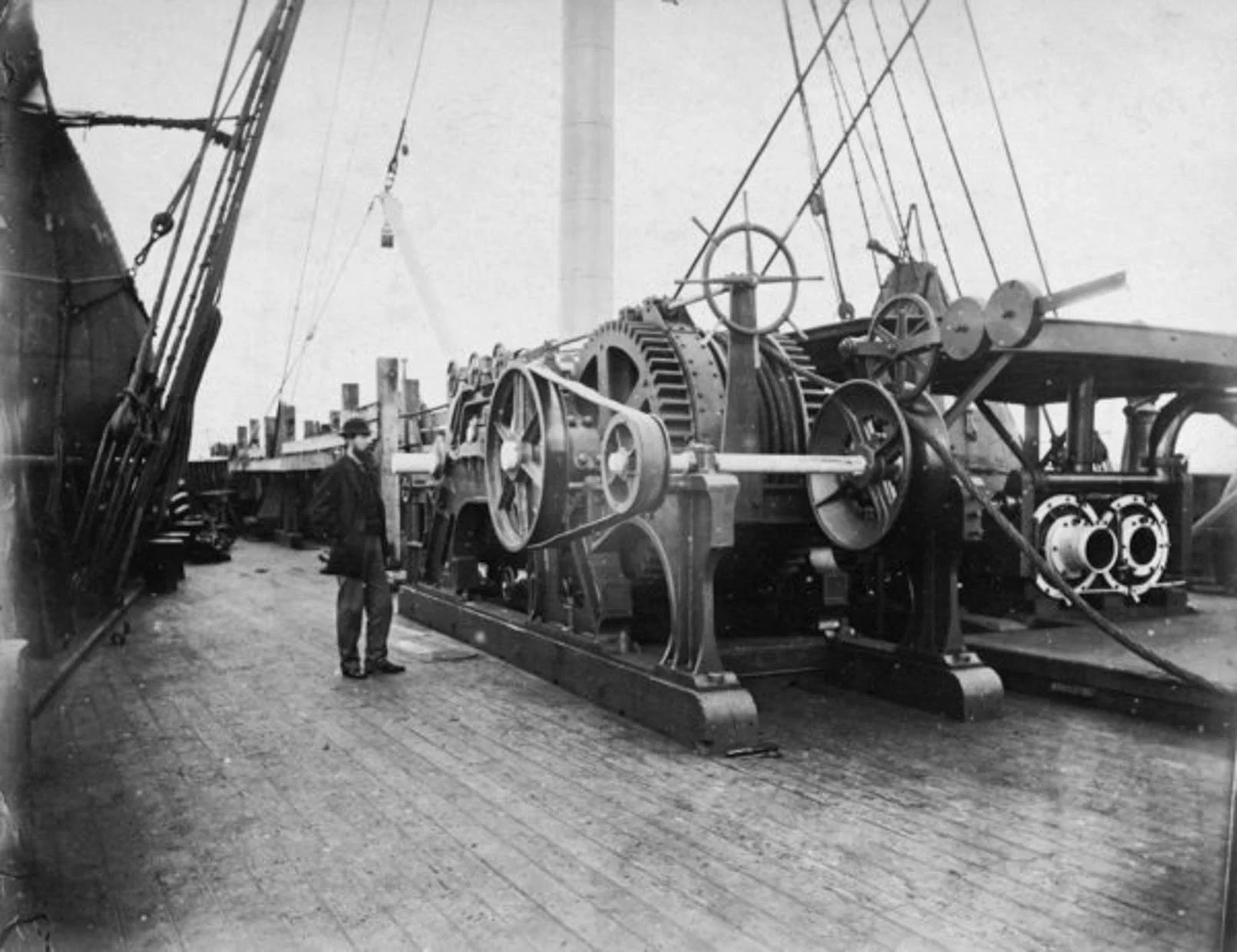
As AI engineers operationalize definitions of intelligence at planetary scale, we are pressed to ask larger historical questions: Does intelligence have a history? This essay proposes “Histories of Intelligence” that reconnect cave paintings, Babylonian astronomy, navigation, spirituality, discernment, and AI within a single unfolding struggle to turn fate into possibility.
Intelligence and the Revaluation of Interruption: From Ant Roads to Enlightenment Roads
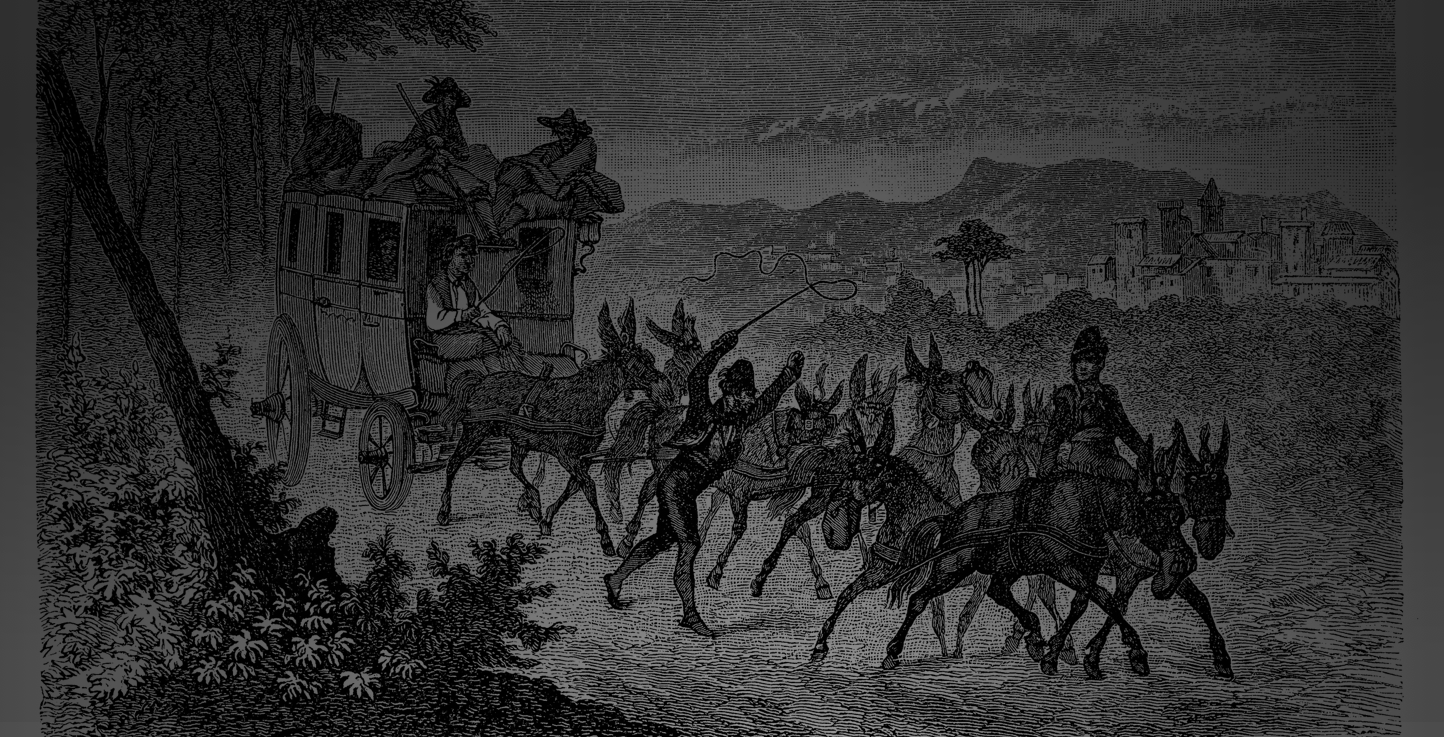
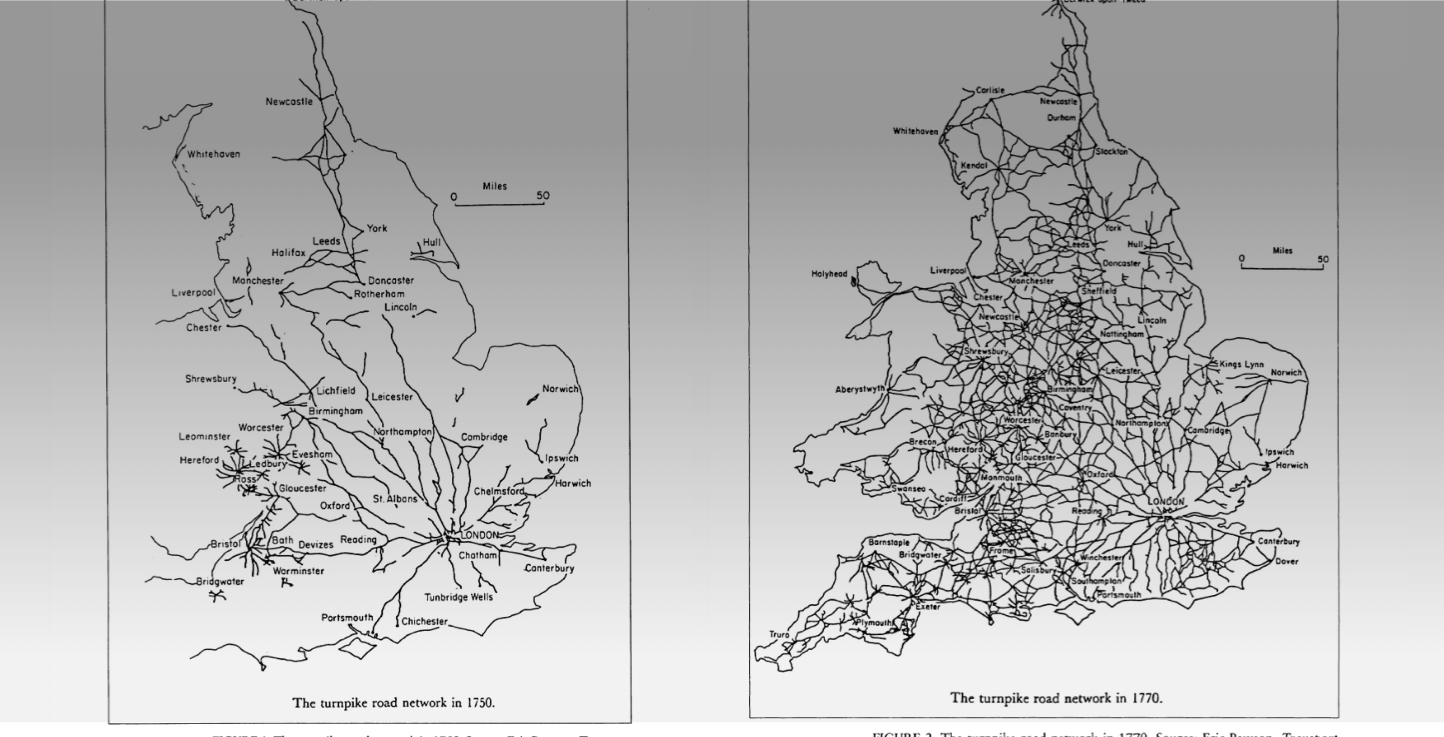
What separates the ‘roads’ of army ants from the roads of the Enlightenment? This essay explores intelligence not as a fixed function, but as life’s expanding capacity to turn fate into possibility. Moving from bacteria and ant colonies to Augustine, temptation, and British inland navigation, it argues that intelligence emerges through the widening gap between function and orientation—the opening of time itself into an unfinished field of possibilities.
The Enlightenment’s Wager: Intelligence, AI, and the Open Future
What if the Enlightenment was not merely a historical era, but an unfinished wager on intelligence itself? This essay explores AI, Bergson, David Deutsch, James Hutton, and the possibility that intelligence expands by turning fate into an open field of possibilities. Against polarization, monoculture, and ressentiment, it argues for a rejuvenated Enlightenment grounded in accompaniment, fallibilism, and the courage to leap beyond what we already believe we understand.
The Enlightenment and the Intellect
The Enlightenment did not simply give us better explanations—it gave us time. By stretching human awareness into deep pasts and open futures, it transformed intellect into a force that can confront fate itself. Now, as computation accelerates this legacy, the question is no longer whether we can understand the world, but whether our institutions can keep pace with what our intelligence has become.
Revaluation of Values
What looks like a loss of meaning may instead be a revaluation of values—one forced by technologies that move faster than our ability to localize responsibility or foresee consequences.

Fate, Computation, Purpose
What if our moment is not a crisis of meaning, but a crisis of purpose—one born from the ability to compute the future faster than the values meant to guide it?
Energy and Epiphany in the Later Works of Michel Serres
A brief reflection on Michel Serres’ understanding of our ongoing power to expand our understanding and harnessing of energy to overcome fate and destiny. He re-reads the experience of religion in this context.

Out-Computing the Gods
This essay examines how the discovery of computation transformed humanity’s relationship to fate. Beginning with Babylonian astronomy, it shows how early techniques of prediction turned omens into foresight, allowing humans to anticipate and intervene in processes once attributed to the gods.
Fate, Computation and the End of Christian Time
This brief essay traces how Enlightenment calculation reshaped humanity’s experience of time, fate, and foresight—from biblical chronology to geological deep time and modern predictive control. Rather than condemning the Enlightenment, it argues for renewing its legacy by learning how to live responsibly within the futures we now help to compute.

The Return of Fate
The more we have sought to bring nature’s processes under our control, the more we live within a lack of control.

Living with Our Intelligence
Reflections on how ill-prepared our traditional moralities are for the world in which we live. The speed and spread of computational power is forcing a revaluation of values that we are not equipped to handle.