

Featured Essays

Key Themes
History of Intelligence
AI sets in motion a new chapter in the history of intelligence’s confrontation with fate and necessity. Telling the stories of its twists and turns will broaden our upstanding of what intelligence has been and can be.
Computational Power
These essays examine how digital systems reshape experience, agency, and the unfolding of time. This is not a moral complaint; it is an examination of possibilities.
Rejuvenation
Modernity is not defined by the loss of meaning, but by the expansion of human self-assertion—the long effort of our genus to shape contingency, redirect fate, and assume responsibility for outcomes once attributed to nature or the gods.
Intelligence and the Revaluation of Interruption: From Ant Roads to Enlightenment Roads
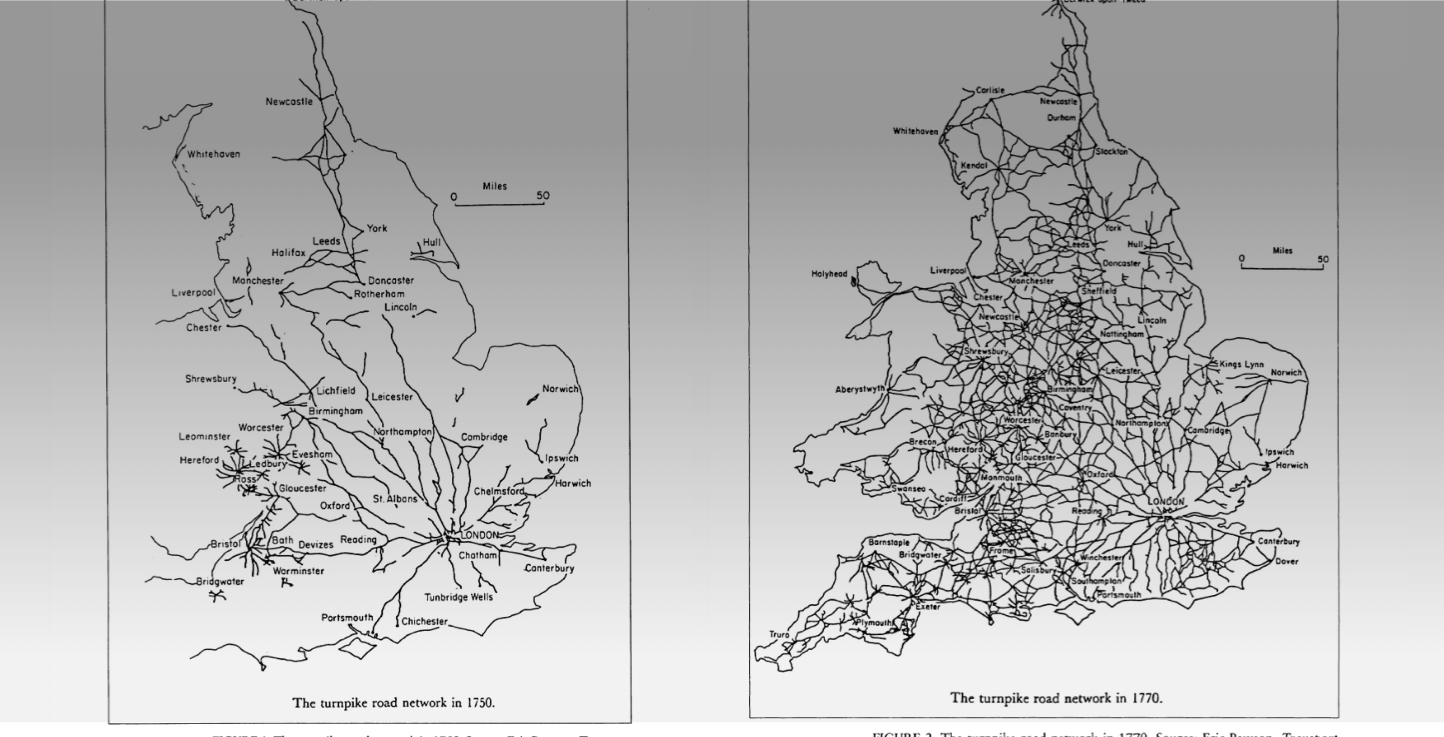
What separates the ‘roads’ of army ants from the roads of the Enlightenment? This essay explores intelligence not as a fixed function, but as life’s expanding capacity to turn fate into possibility. Moving from bacteria and ant colonies to Augustine, temptation, and British inland navigation, it argues that intelligence emerges through the widening gap between function and orientation—the opening of time itself into an unfinished field of possibilities.

The Growing Gap Between Purpose and Discernment
We are not facing a collapse of meaning, but a growing gap between purpose and discernment. As computational power accelerates action faster than ethical habits can keep pace, disorientation hardens into resentment or withdrawal. This essay reframes our moment as a problem of tempo—and offers practical disciplines for learning to judge consequences in motion.

Practice: Repentance or Metanoia?
Metanoia is not repentance by another name. It is an orientation to time that delays meaning, resists judgment, and learns by moving forward. Drawing on Mark’s Gospel, this practice explores how patience, listening, and restraint can open a different experience of the future—one not governed by ressentiment or premature certainty.
Out-Computing the Gods
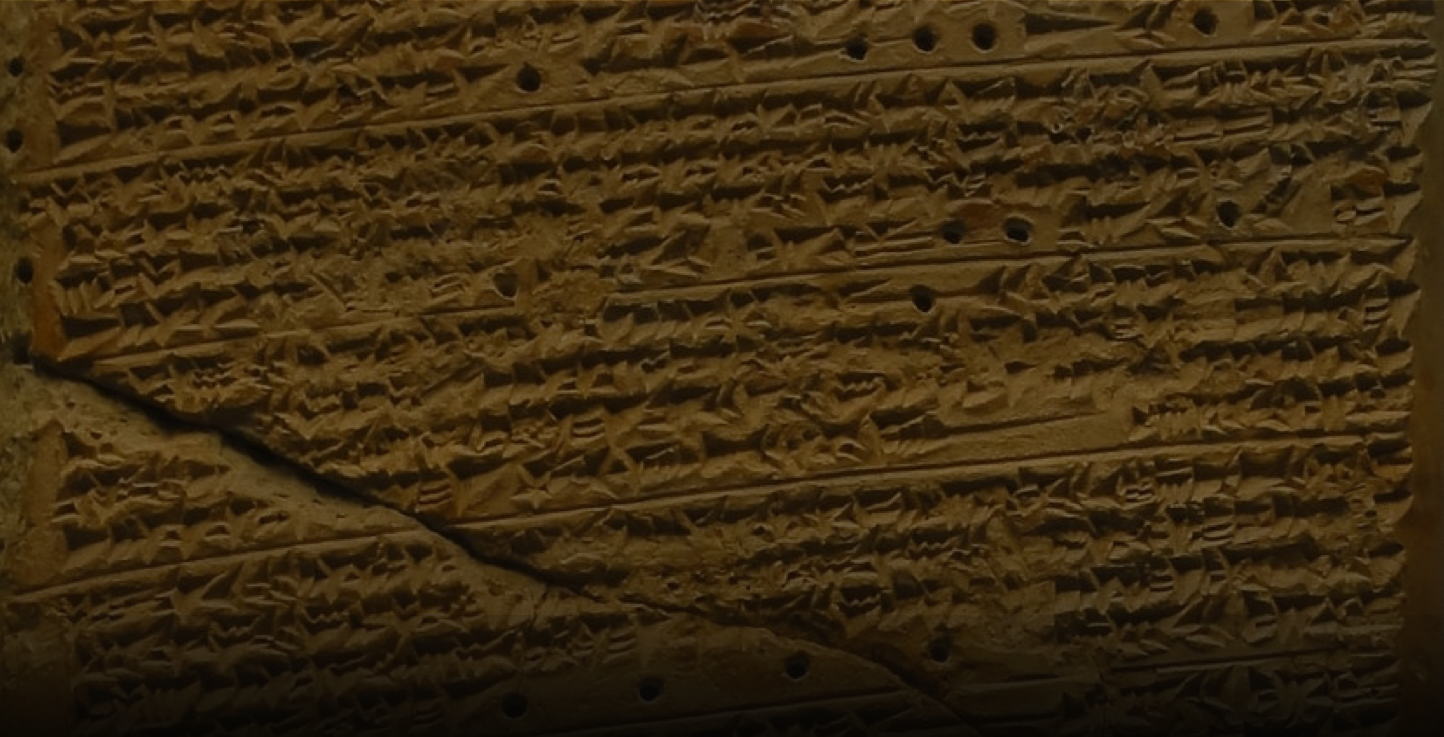
This essay examines how the discovery of computation transformed humanity’s relationship to fate. Beginning with Babylonian astronomy, it shows how early techniques of prediction turned omens into foresight, allowing humans to anticipate and intervene in processes once attributed to the gods.

His Name is John
A reading of Luke’s account of the naming of John the Baptist.