

Featured Essays

Key Themes
History of Intelligence
AI sets in motion a new chapter in the history of intelligence’s confrontation with fate and necessity. Telling the stories of its twists and turns will broaden our upstanding of what intelligence has been and can be.
Computational Power
These essays examine how digital systems reshape experience, agency, and the unfolding of time. This is not a moral complaint; it is an examination of possibilities.
Rejuvenation
Modernity is not defined by the loss of meaning, but by the expansion of human self-assertion—the long effort of our genus to shape contingency, redirect fate, and assume responsibility for outcomes once attributed to nature or the gods.

Paul in Athens
The Things of God and the Things of Humanity
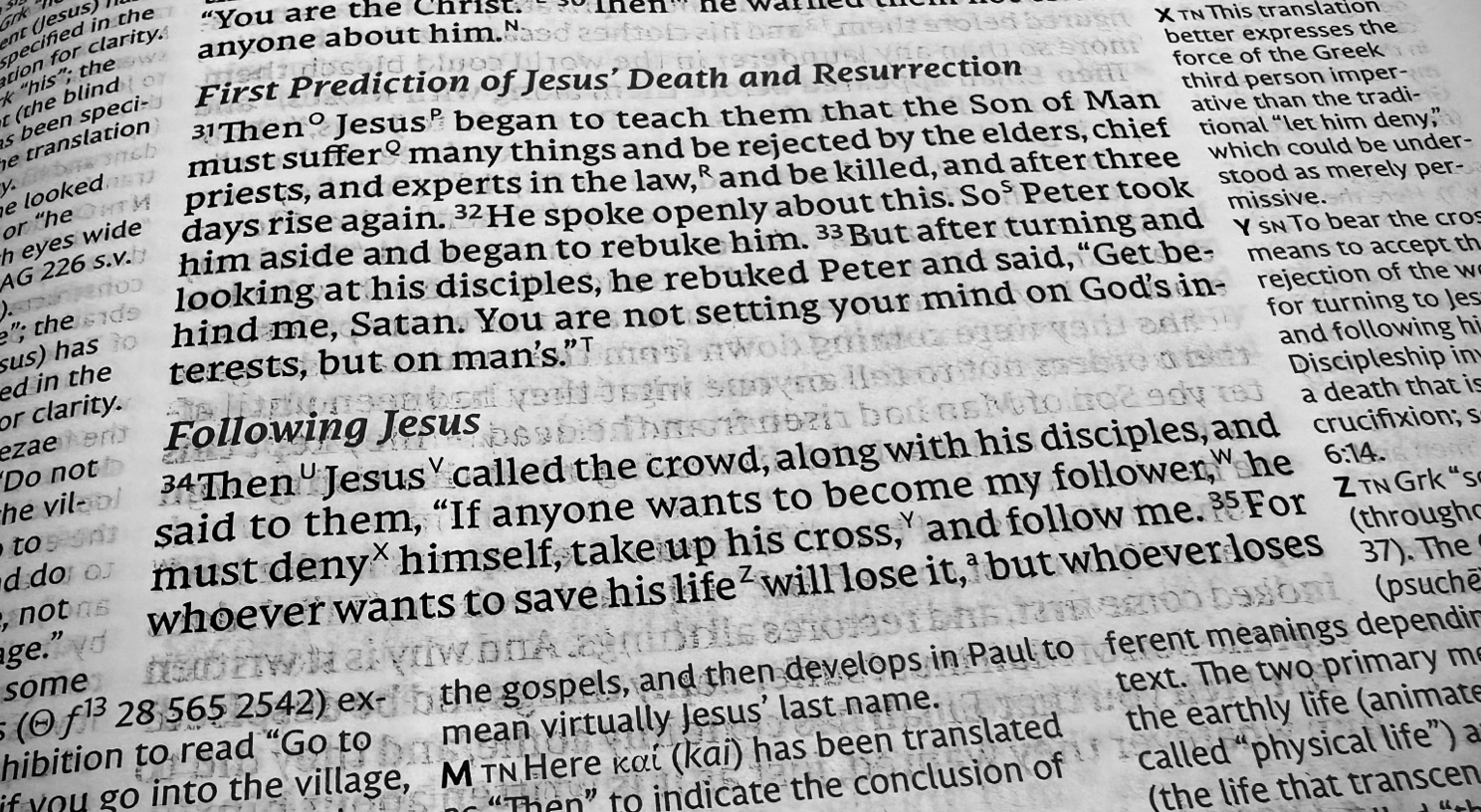
This essay examines the tension between divine and human action not as a metaphysical divide, but as a practical distinction that shapes how time is lived. Rather than separating sacred from secular, it asks how responsibility is distributed across moments of decision. The question is not what belongs to God and what belongs to humanity in principle, but how action unfolds under conditions of finite agency,

Kairos and Continuity
This essay takes up the ancient distinction between chronos and kairos to explore how time can be lived as more than succession. Kairos names the charged moment—the opening in which action matters disproportionately to duration. Read alongside continuity, kairos becomes not a rupture from time, but a way of inhabiting it attentively, without surrendering to either stasis or acceleration.

Zarathustra’s Middle Path

Birth of Physics - Michel Serres
Michel Serres makes Lucretius our contemporary. Published just before Le Parasite, Le Naissance de la physique was a key moment in the history of chaos theory and the ability to see order emerging from disorder -- a reversal of the Enlightenment's formula. Serres finds in Lucretius' De rerum natura a pre-Modern text that offers a more relevant way of thinking about order and disorder free of eternal natural laws.

Civitas Peregrina and Affirmation

Mercy without Recognition
Mercy is often framed as an extension of recognition: seeing oneself in the other. This essay pushes in the opposite direction. It explores mercy as an act that does not rely on identification or reciprocity, but on attentiveness to the moment at hand. Mercy here is not sentiment but temporal discipline—an ethical response that resists calculation, delay, and justification.

Luke 9:57-62: Roads, Renunciation and Following

Enlightenment, Negation, Re-Reading

Jesus and Pilate - Giorgio Agamben
The trial of Jesus was not a trial but a “handing over” as a form of giving up in the face of the “crossing of the temporal and the eternal that assumed the form of a trial.”

Antirrhetikos - Evagrius
David Brakke’s Introduction to his translation of this key work by Evagrius of Pontus is well worth the read. In Evagrius I have found no one who more intensely thought about time as practice.

The Nature of Sin

The Highest Poverty - Giorgio Agamben
The monastery perfected the structuring life through the rigorous measurement of time. This went well beyond simply organizing the day. How the monks spent their time became integral to their salvation, and a template for others.

A Tenth of a Second - Jimena Canales
Modernity didn’t just apply technologies of measuring time at more minute levels. Modernity and time measurement are bound together much more intimately.

A Testament of Hope
If you want to understand Modernity, start here.

Acedia and Ressentiment
Acedia and ressentiment are two of Modernity’s sins. We should learn to deal with them.

Time Untethered from Motion
The first in a series of meditations coming to terms with Hans Blumenberg’s The Genesis of the Copernican World. This is an important work for anyone interested in time as practice.

Down to Earth - Bruno Latour
A highly accessible version of Facing Gaia. For me it is the classic statement of how the accumulation of wealth has become the latest expression of Gnosticism.

The Genesis of the Copernican World - Hans Blumenberg
Copernicus did not kick humanity out of the center of the universe. He made the Earth a star and also tried to restore the harmonious relationship between God’s creation and humanity. The consequences for the configuration of time are underappreciated. This book corrects that.

Cosmopolis - Stephen Toulmin
A very accessible understanding of how Modernity emerges out of the late Middle Ages as a desire for “certainties” arising out of the conflicts and terrors of the European violence of the seventeenth century.