

Featured Essays


Key Themes
History of Intelligence
AI sets in motion a new chapter in the history of intelligence’s confrontation with fate and necessity. Telling the stories of its twists and turns will broaden our upstanding of what intelligence has been and can be.
Computational Power
These essays examine how digital systems reshape experience, agency, and the unfolding of time. This is not a moral complaint; it is an examination of possibilities.
Rejuvenation
Modernity is not defined by the loss of meaning, but by the expansion of human self-assertion—the long effort of our genus to shape contingency, redirect fate, and assume responsibility for outcomes once attributed to nature or the gods.
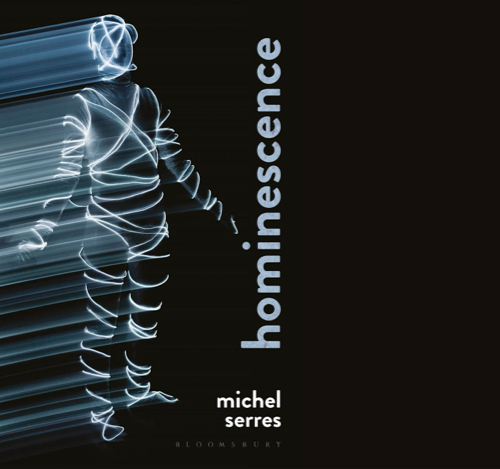
From Human Nature to Hominescence
We are living through a threshold in which humanity increasingly shapes the forces that once shaped us. Reading Michel Serres’ Hominescence invites us to see our present not as a rupture, but as a summation — a moment demanding new moral orientation as we participate in the creation of the humanity to come.
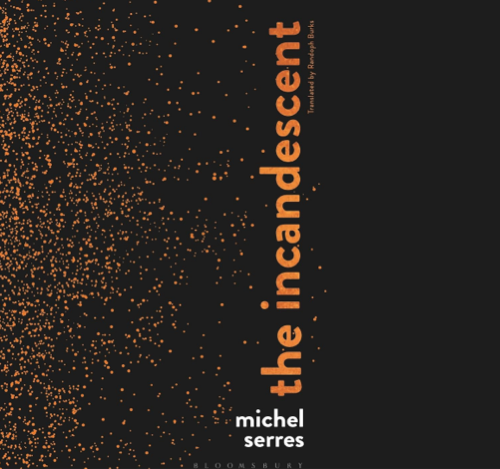
Exo-Darwinism and the Compression of Time in Michel Serres’ The Incandescent
Modern technology does more than accelerate life—it reshapes how time itself is experienced. Drawing on Michel Serres’ reflections in The Incandescent, this essay explores how intention, speed, and exo-Darwinism compress the past into background, turning history into a resource rather than a place we still inhabit.
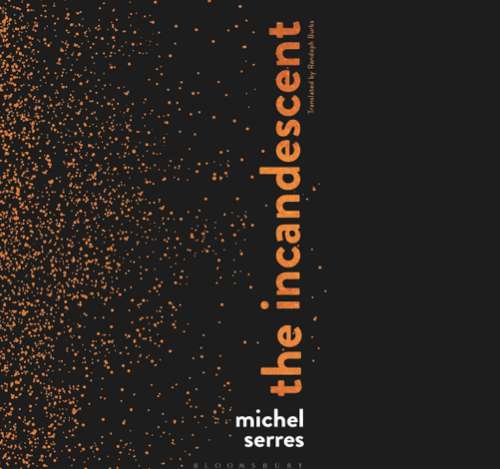
A Crisis of Purpose: Panurgy in Michel Serres’ L’Incandescent
Michel Serres names our moment a crisis of purpose rather than meaning. In L’Incandescent, he calls it panurgy: the human power to act at the scale of the world itself. As computation accelerates and intelligence becomes a wager, fate gives way to responsibility—and purpose outruns its bearings.
Energy and Epiphany in the Later Works of Michel Serres
A brief reflection on Michel Serres’ understanding of our ongoing power to expand our understanding and harnessing of energy to overcome fate and destiny. He re-reads the experience of religion in this context.
Inventing Behavior After the Neolithic: Michel Serres and the Moral Problem of Auto-Evolution
This essay introduces Michel Serres’ late philosophy by emphasizing its moral core rather than its metaphysics. Drawing on The Incandescent and le Grand Récit, it explores auto-evolution, violence, and the challenge of inventing moral orientation after the Neolithic age.
Fate, Computation and the End of Christian Time
This brief essay traces how Enlightenment calculation reshaped humanity’s experience of time, fate, and foresight—from biblical chronology to geological deep time and modern predictive control. Rather than condemning the Enlightenment, it argues for renewing its legacy by learning how to live responsibly within the futures we now help to compute.
Michel Serres: The Synthetic Experience of Religion
This essay offers an accessible introduction to Michel Serres’s philosophy through his final book Religion. It explains how concepts like clinamen, emptiness, and navigation help us understand responsibility, violence, and meaning in modern life.

At the Edge of le Grand Récit
An essay exploring Michel Serres’s engagement with Le Grand Récit and what narrative uncertainty means for ethical life in a world of multiplicity and contingent connection.
L’Incandescent – Serres on Emergence, Light, and Moral Attention
An essay exploring Michel Serres’s concept of the incandescent — where light, unpredictability, and moral attention emerge at thresholds beyond calculation and control.