

Featured Essays


Key Themes
History of Intelligence
AI sets in motion a new chapter in the history of intelligence’s confrontation with fate and necessity. Telling the stories of its twists and turns will broaden our upstanding of what intelligence has been and can be.
Computational Power
These essays examine how digital systems reshape experience, agency, and the unfolding of time. This is not a moral complaint; it is an examination of possibilities.
Rejuvenation
Modernity is not defined by the loss of meaning, but by the expansion of human self-assertion—the long effort of our genus to shape contingency, redirect fate, and assume responsibility for outcomes once attributed to nature or the gods.
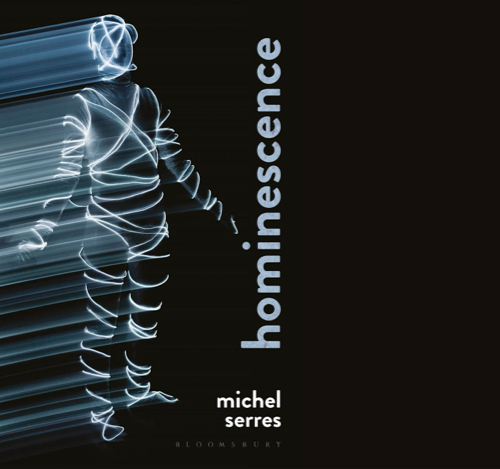
From Human Nature to Hominescence
We are living through a threshold in which humanity increasingly shapes the forces that once shaped us. Reading Michel Serres’ Hominescence invites us to see our present not as a rupture, but as a summation — a moment demanding new moral orientation as we participate in the creation of the humanity to come.

The Growing Gap Between Purpose and Discernment
We are not facing a collapse of meaning, but a growing gap between purpose and discernment. As computational power accelerates action faster than ethical habits can keep pace, disorientation hardens into resentment or withdrawal. This essay reframes our moment as a problem of tempo—and offers practical disciplines for learning to judge consequences in motion.

Practice: Ressentiment Check
Ressentiment is not a psychological weakness or a moral flaw. It is a signal that judgment has outrun discernment. This practice offers a way to notice when critique hardens into condemnation, suspend withdrawal that feels like moral clarity, and reopen ethical engagement in a world moving faster than inherited values can keep pace.
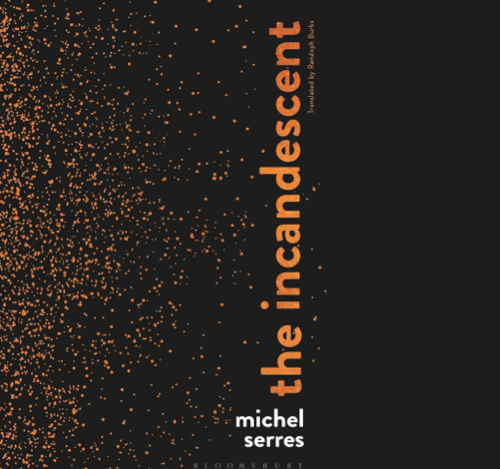
Reading The Incandescent: Human Scale and Accursed Shares
This essay reads Michel Serres’s The Incandescent as an argument that modern ethics must be extended, not replaced, to meet the speed and scale of global, computational human activity. Drawing on accursed shares, Pan, and traditions of impulse control from Stoicism and Christianity, it shows how moral life today depends on individual refusals of violence that dissipate harm locally even as consequences propagate globally.
Inventing Behavior After the Neolithic: Michel Serres and the Moral Problem of Auto-Evolution
This essay introduces Michel Serres’ late philosophy by emphasizing its moral core rather than its metaphysics. Drawing on The Incandescent and le Grand Récit, it explores auto-evolution, violence, and the challenge of inventing moral orientation after the Neolithic age.
Fate, Computation and the End of Christian Time
This brief essay traces how Enlightenment calculation reshaped humanity’s experience of time, fate, and foresight—from biblical chronology to geological deep time and modern predictive control. Rather than condemning the Enlightenment, it argues for renewing its legacy by learning how to live responsibly within the futures we now help to compute.

The Return of Fate
The more we have sought to bring nature’s processes under our control, the more we live within a lack of control.

Living with Our Intelligence
Reflections on how ill-prepared our traditional moralities are for the world in which we live. The speed and spread of computational power is forcing a revaluation of values that we are not equipped to handle.

Life at the Speed of Computation
A meditation on what happens to judgment and responsibility when action outpaces reflection.

His Name is John
A reading of Luke’s account of the naming of John the Baptist.

The Natural Contract - Michel Serres
Michel Serres at his most political. This 1990 book is a defining work in the modern understanding of the climate crisis. I've written a long essay inspired by the depth and breadth of Serres vision.

The Parasite - Michel Serres
An essay on how to use 'the parasite' as an operational concept that expands our capacity for experience.

At the Edge of le Grand Récit
An essay exploring Michel Serres’s engagement with Le Grand Récit and what narrative uncertainty means for ethical life in a world of multiplicity and contingent connection.
L’Incandescent – Serres on Emergence, Light, and Moral Attention
An essay exploring Michel Serres’s concept of the incandescent — where light, unpredictability, and moral attention emerge at thresholds beyond calculation and control.

Mark 3:31-35: Who Is, Here Is
This essay reads Mark 3:31–35 as a decisive reconfiguration of belonging. Kinship is no longer anchored in blood, tradition, or continuity, but in presence and action—who is here, and what is done. Time is no longer something one inherits; it is something one inhabits. Ethical identity emerges not from origin, but from participation in a living moment.
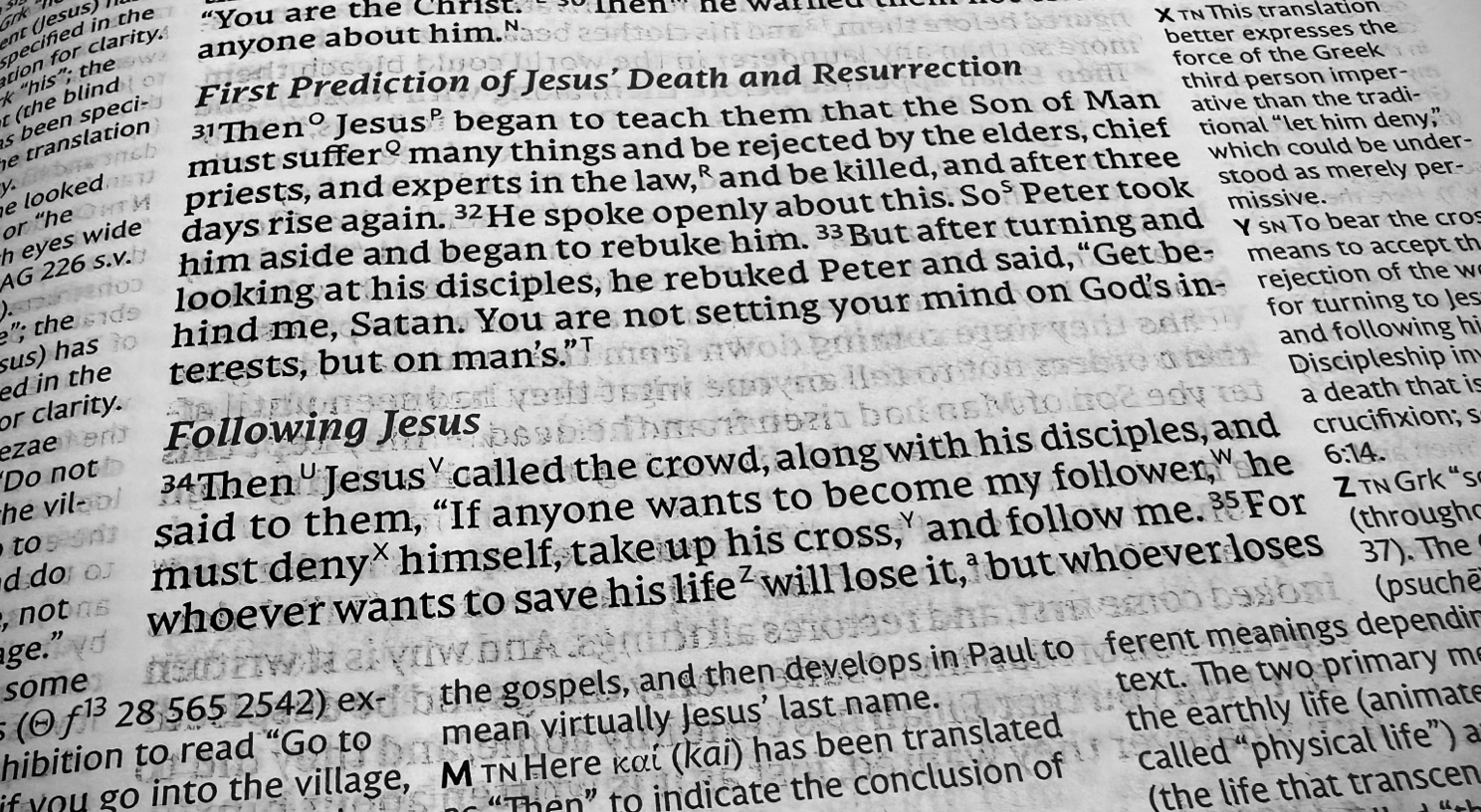
The Things of God and the Things of Humanity
This essay examines the tension between divine and human action not as a metaphysical divide, but as a practical distinction that shapes how time is lived. Rather than separating sacred from secular, it asks how responsibility is distributed across moments of decision. The question is not what belongs to God and what belongs to humanity in principle, but how action unfolds under conditions of finite agency,

Mercy without Recognition
Mercy is often framed as an extension of recognition: seeing oneself in the other. This essay pushes in the opposite direction. It explores mercy as an act that does not rely on identification or reciprocity, but on attentiveness to the moment at hand. Mercy here is not sentiment but temporal discipline—an ethical response that resists calculation, delay, and justification.
