

Featured Essays


Key Themes
History of Intelligence
AI sets in motion a new chapter in the history of intelligence’s confrontation with fate and necessity. Telling the stories of its twists and turns will broaden our upstanding of what intelligence has been and can be.
Computational Power
These essays examine how digital systems reshape experience, agency, and the unfolding of time. This is not a moral complaint; it is an examination of possibilities.
Rejuvenation
Modernity is not defined by the loss of meaning, but by the expansion of human self-assertion—the long effort of our genus to shape contingency, redirect fate, and assume responsibility for outcomes once attributed to nature or the gods.
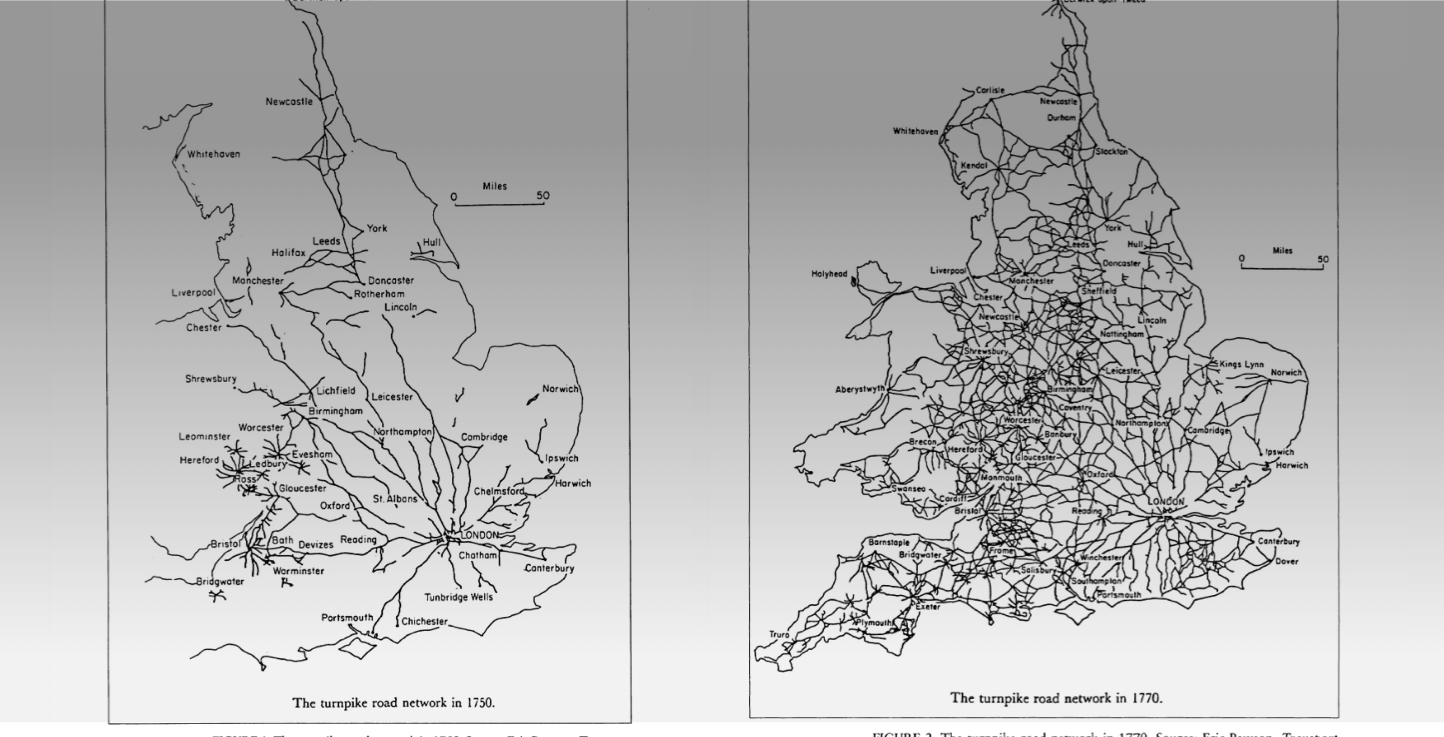
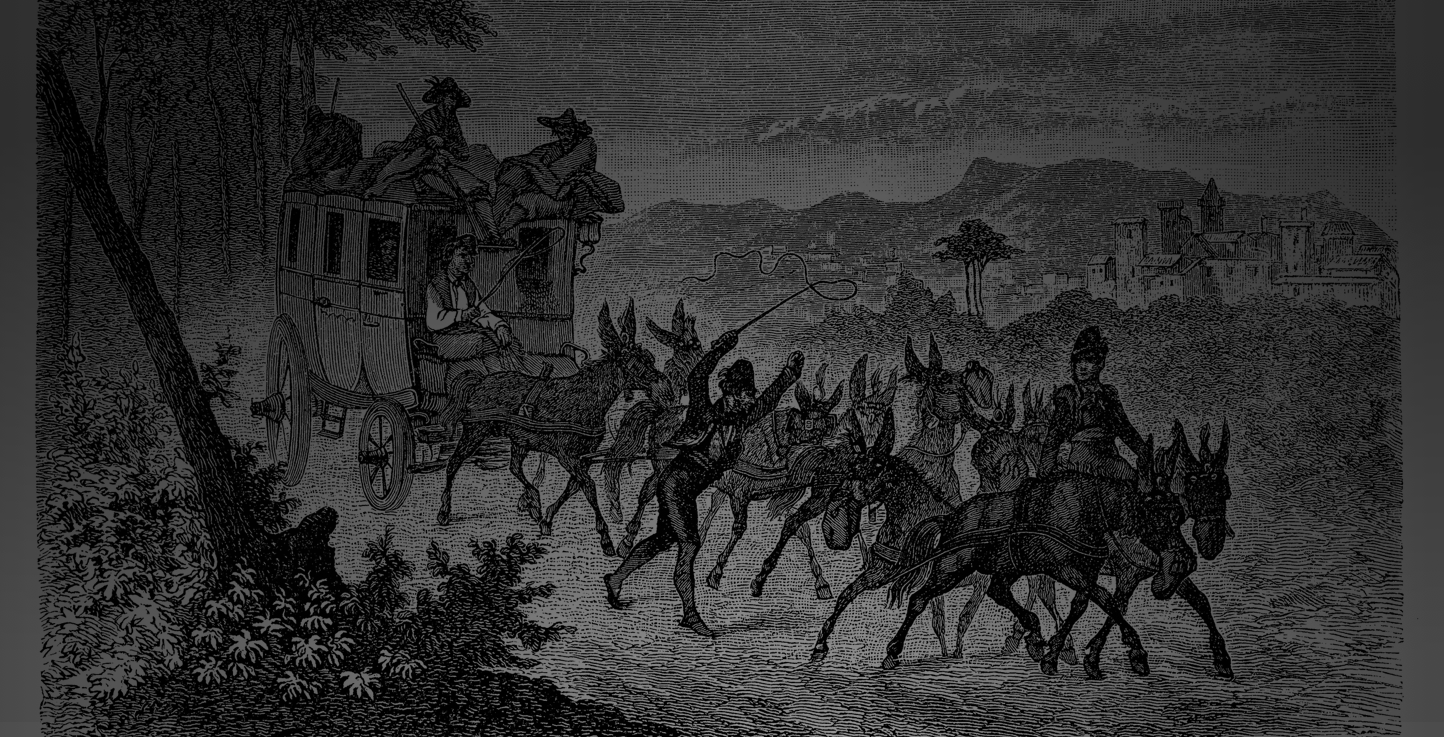
Intelligence and the Revaluation of Interruption: From Ant Roads to Enlightenment Roads
What separates the ‘roads’ of army ants from the roads of the Enlightenment? This essay explores intelligence not as a fixed function, but as life’s expanding capacity to turn fate into possibility. Moving from bacteria and ant colonies to Augustine, temptation, and British inland navigation, it argues that intelligence emerges through the widening gap between function and orientation—the opening of time itself into an unfinished field of possibilities.

Practice: Repentance or Metanoia?
Metanoia is not repentance by another name. It is an orientation to time that delays meaning, resists judgment, and learns by moving forward. Drawing on Mark’s Gospel, this practice explores how patience, listening, and restraint can open a different experience of the future—one not governed by ressentiment or premature certainty.

New Gods for a New Time
The Enlightenment pushed God and gods to the sidelines, but as our time continues to evolve, are we letting them back in?

Bataille, Religion, Experience
What is to become of religion in our time? In this essay, I descend into Bataille’s speculations on the contingent birth of consciousness out of the ‘water in water’ of pure experience.

Time Out of Joint
How do we compose time?

Time and Theodicy
Religion and philosophy emerge when we descend into our experience of time

Birth of Physics - Michel Serres
Michel Serres makes Lucretius our contemporary. Published just before Le Parasite, Le Naissance de la physique was a key moment in the history of chaos theory and the ability to see order emerging from disorder -- a reversal of the Enlightenment's formula. Serres finds in Lucretius' De rerum natura a pre-Modern text that offers a more relevant way of thinking about order and disorder free of eternal natural laws.

The Genesis of the Copernican World - Hans Blumenberg
Copernicus did not kick humanity out of the center of the universe. He made the Earth a star and also tried to restore the harmonious relationship between God’s creation and humanity. The consequences for the configuration of time are underappreciated. This book corrects that.

The Time that Remains - Giorgio Agamben
A reading of St. Paul that will change the way you see him. Also a great way to understand Walter Benjamin’s w e a k messianic power.