

Featured Essays



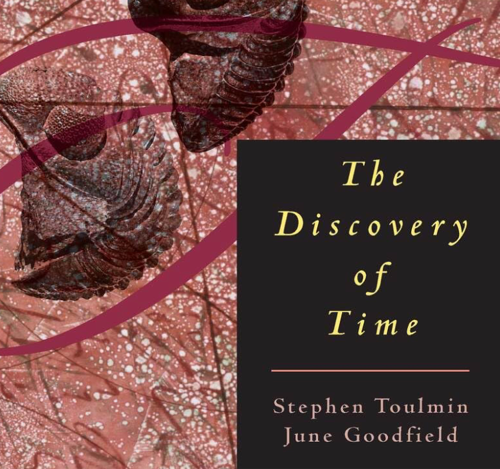
The Discovery of Time - Stephen Toulmin and June Goodfield
Humans are not automatically born with a consciousness of how long the Earth has been around. The Discovery of Time traces the story of how Enlightenment geologists undid the long-standing consensus that the events of Genesis occurred around 4000 BCE. This is perhaps the Enlightenment's greatest legacy.

Life at the Speed of Computation
A meditation on what happens to judgment and responsibility when action outpaces reflection.
New Gods for a New Time
The Enlightenment pushed God and gods to the sidelines, but as our time continues to evolve, are we letting them back in?

Bataille, Religion, Experience
What is to become of religion in our time? In this essay, I descend into Bataille’s speculations on the contingent birth of consciousness out of the ‘water in water’ of pure experience.

Ressentiment Unbound
Nietzsche treated ressentiment as a consolation for a desire for vengeance that is too weak to act. But what happens when it finds itself in power? In this essay, I explore the consequences of empowered ressentiment on the woke left.

His Name is John
A reading of Luke’s account of the naming of John the Baptist.
Reading the Iliad: Mênis and the Moral Compass
Descending into Achilles passive mēnis in the Iliad leads to a better understanding of the birth of our democratic moral compass.
Metanoia and the Experience of Time: Beyond Repentance and the Practice of Change in Mark’s Gospel
This brief essay revisits metanoia in Mark’s Gospel as a radical change in our experience of time. This poetic reflection reframes one of Jesus’ first words — often mistranslated as ‘repent’ — as an invitation to loosen expectation and inhabit a time of possibilities.

Rejuvenation
Have we lost the power of rejuvenation? For a democracy to work, time needs to be oriented toward progress and continuous renewal.

Reading the Iliad: Wisdom and Violence
The first of an ongoing re-engagement with the Iliad. Here we have an untimely meditation that holds up the mirror of violence to a culture desparately in need of alternatives to vendettas.
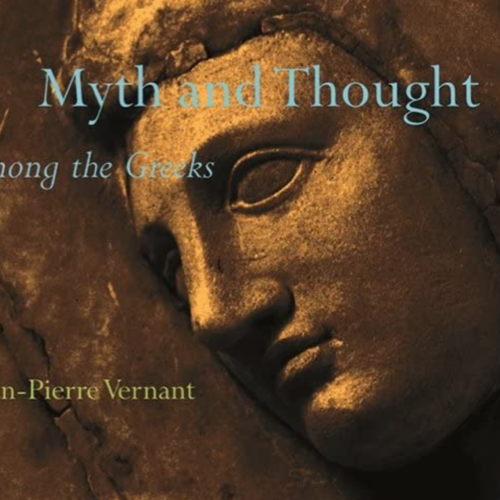
Myth and Thought among the Greeks - Jean-Pierre Vernant
An exceptionally detailed and compelling investigation into the evolution of Greek philosophical thought out of myth.

Reading Zarathustra: The Three Metamorphoses
The three metamorphoses Zarathustra describes in his first speech after the prologue moves us beyond any knee-jerk philosophical and religious musings of ‘being and becoming’. The vision presented here is far more sophisticated.
Reading Zarathustra: The Speeches of Zarathustra
The second installment of my series of Reading Zarathustra. This focuses on the problem of teaching, discipleship, truth telling, and companionship in ‘The Speeches of Zarathustra’ from Book I.

Powers of Time - David Lapoujade
One of the best explanations of Bergson’s thought. Lapoujade connects duration with motion and in the process exposes why Bergson’s thought is more than conceptual philosophy. It is the transformation of how we experience ourselves and the world.

Reading Zarathustra: Prologue
The first in a commentary series on Thus Spoke Zarathustra. This post covers Zarathustra’s Prologue.

The Radical Philosophy of Saint Paul - Stanislas Breton
Breton set in motion the philosophical and theological reconsideration of Paul (which was already underway in more scholarly investigations into ‘the historical Paul’). This book is crucial to the reconsideration of Paul that found in his letters the power to suspend the weight of culture to find ‘new horizons’ of salvational experience.

The Natural Contract - Michel Serres
Michel Serres at his most political. This 1990 book is a defining work in the modern understanding of the climate crisis. I've written a long essay inspired by the depth and breadth of Serres vision.

The Parasite - Michel Serres
An essay on how to use 'the parasite' as an operational concept that expands our capacity for experience.
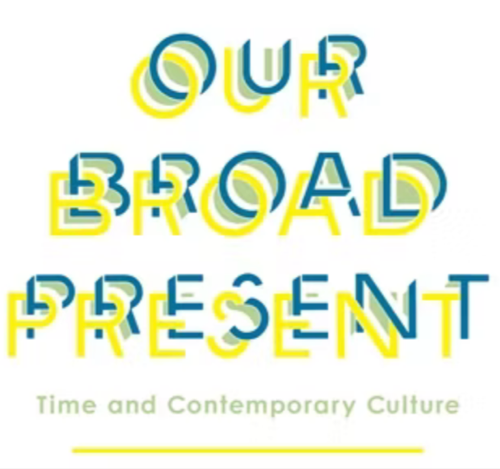
Hans Ulrich Gumbrecht - Our Broad Present
Gumbrecht speculates on what the present has become now that grand narratives of progress are no longer credible.

Peter Galison - Einstein’s Clocks, Poincaré’s Maps
The twentieth century's need for national and global time was a problem of electromagnetism. It became an abstraction (as relativity) out of these practical and commercial concerns.
Follow these essays
You can follow by email, RSS, or in Feedly.