

Featured Essays


Key Themes
History of Intelligence
AI sets in motion a new chapter in the history of intelligence’s confrontation with fate and necessity. Telling the stories of its twists and turns will broaden our upstanding of what intelligence has been and can be.
Computational Power
These essays examine how digital systems reshape experience, agency, and the unfolding of time. This is not a moral complaint; it is an examination of possibilities.
Rejuvenation
Modernity is not defined by the loss of meaning, but by the expansion of human self-assertion—the long effort of our genus to shape contingency, redirect fate, and assume responsibility for outcomes once attributed to nature or the gods.
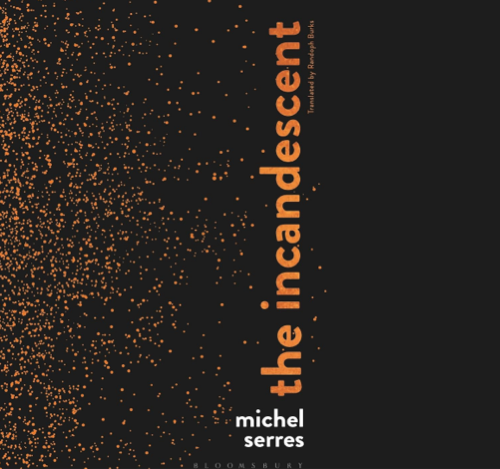
Inventing Behavior After the Neolithic: Michel Serres and the Moral Problem of Auto-Evolution
This essay introduces Michel Serres’ late philosophy by emphasizing its moral core rather than its metaphysics. Drawing on The Incandescent and le Grand Récit, it explores auto-evolution, violence, and the challenge of inventing moral orientation after the Neolithic age.
Fate, Computation and the End of Christian Time
This brief essay traces how Enlightenment calculation reshaped humanity’s experience of time, fate, and foresight—from biblical chronology to geological deep time and modern predictive control. Rather than condemning the Enlightenment, it argues for renewing its legacy by learning how to live responsibly within the futures we now help to compute.
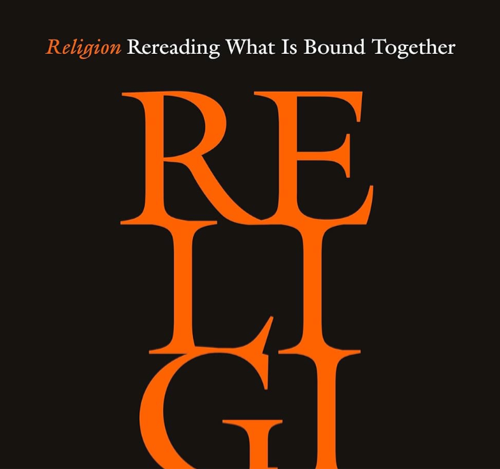
Michel Serres: The Synthetic Experience of Religion
This essay offers an accessible introduction to Michel Serres’s philosophy through his final book Religion. It explains how concepts like clinamen, emptiness, and navigation help us understand responsibility, violence, and meaning in modern life.

The Cave Paintings of Tito Bustillo
Reflections on my May 2025 visit to the caves of Tito Bustillo in Spain’s Asturias region.

The Return of Fate
The more we have sought to bring nature’s processes under our control, the more we live within a lack of control.

Saving the Phenomenon: Panchrone, Assembly Theory and Thinking in Time
A brief exploration of how theoretical physicists such as Lee Smolin and Sara Imari Walker are not only rethinking time but changing our capacity for experience.

Living with Our Intelligence
Reflections on how ill-prepared our traditional moralities are for the world in which we live. The speed and spread of computational power is forcing a revaluation of values that we are not equipped to handle.
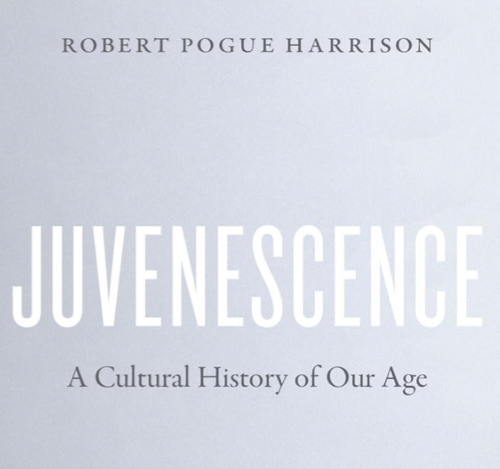
Juvenescence - Robert Pogue Harrison
An essay on the experience of heterochronic time in our turbulent age. Harrison offers his characteristically unique take on heterchronic time and humanity’s ability to remain youthful while we age.
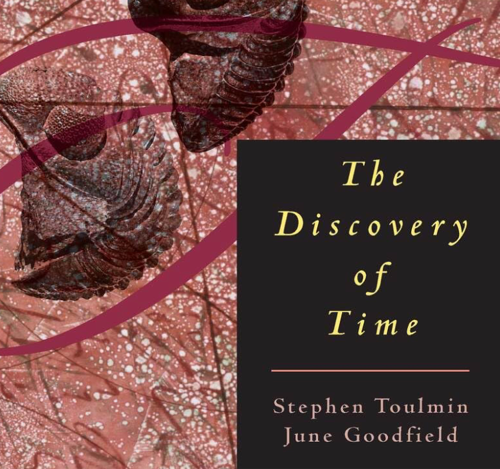
The Discovery of Time - Stephen Toulmin and June Goodfield
Humans are not automatically born with a consciousness of how long the Earth has been around. The Discovery of Time traces the story of how Enlightenment geologists undid the long-standing consensus that the events of Genesis occurred around 4000 BCE. This is perhaps the Enlightenment's greatest legacy.

Life at the Speed of Computation
A meditation on what happens to judgment and responsibility when action outpaces reflection.

New Gods for a New Time
The Enlightenment pushed God and gods to the sidelines, but as our time continues to evolve, are we letting them back in?

Bataille, Religion, Experience
What is to become of religion in our time? In this essay, I descend into Bataille’s speculations on the contingent birth of consciousness out of the ‘water in water’ of pure experience.

Ressentiment Unbound
Nietzsche treated ressentiment as a consolation for a desire for vengeance that is too weak to act. But what happens when it finds itself in power? In this essay, I explore the consequences of empowered ressentiment on the woke left.

His Name is John
A reading of Luke’s account of the naming of John the Baptist.
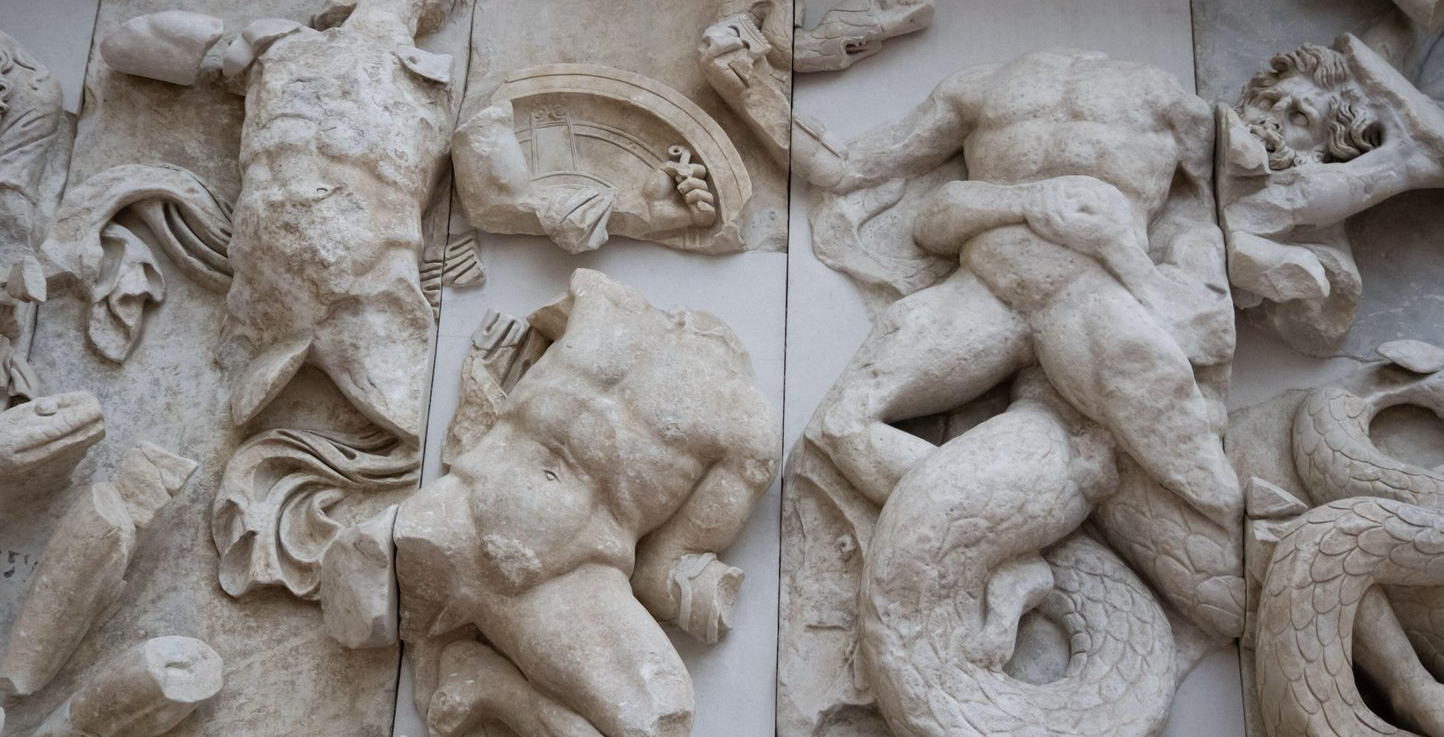
Reading the Iliad: Mênis and the Moral Compass
Descending into Achilles passive mēnis in the Iliad leads to a better understanding of the birth of our democratic moral compass.

Metanoia and the Experience of Time: Beyond Repentance and the Practice of Change in Mark’s Gospel
This brief essay revisits metanoia in Mark’s Gospel as a radical change in our experience of time. This poetic reflection reframes one of Jesus’ first words — often mistranslated as ‘repent’ — as an invitation to loosen expectation and inhabit a time of possibilities.

Rejuvenation
Have we lost the power of rejuvenation? For a democracy to work, time needs to be oriented toward progress and continuous renewal.

Reading the Iliad: Wisdom and Violence
The first of an ongoing re-engagement with the Iliad. Here we have an untimely meditation that holds up the mirror of violence to a culture desparately in need of alternatives to vendettas.
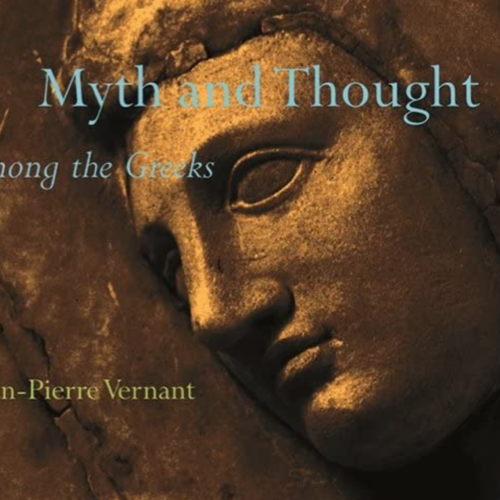
Myth and Thought among the Greeks - Jean-Pierre Vernant
An exceptionally detailed and compelling investigation into the evolution of Greek philosophical thought out of myth.

Reading Zarathustra: The Three Metamorphoses
The three metamorphoses Zarathustra describes in his first speech after the prologue moves us beyond any knee-jerk philosophical and religious musings of ‘being and becoming’. The vision presented here is far more sophisticated.